The United States is demanding that Iran make a public, binding pledge to stop attacking ships in the Strait of Hormuz — one of the world's most vital maritime chokepoints — as high-stakes negotiations resume this weekend in Oman.
What the US is demanding from Iran
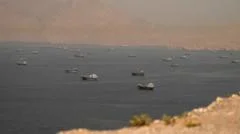
According to sources familiar with the talks, the Trump administration is insisting that Tehran publicly declare the Strait of Hormuz is open for navigation and commit to halting all attacks on commercial and military vessels. The demand comes after months of escalating Iranian strikes on ships in the strategic waterway, which handles about 20% of the world's oil supply.
Why the Strait of Hormuz matters to every Indian household
For India, the stakes are enormous. Nearly 80% of India's crude oil imports pass through the Strait of Hormuz. Any disruption — even a temporary one — could spike fuel prices, increase inflation, and strain household budgets. A single attack on a tanker can send global oil prices soaring within hours, directly impacting everything from petrol costs to cooking gas prices in Indian cities.
How we got here: A timeline of escalating tensions
Iranian forces have repeatedly targeted commercial vessels in the Strait since early 2026, claiming they were responding to US sanctions and military presence. The Trump administration responded with airstrikes on Iranian naval assets in July 2026. Privately, Iranian officials have reportedly told US intermediaries that the attacks were a "mistake," but the White House wants a formal, public commitment — not backchannel assurances.
Who is affected by the Strait of Hormuz crisis
Beyond India, the entire global economy depends on free passage through the Strait. Japan, South Korea, China, and European nations all rely on oil and LNG shipments transiting these waters. Shipping companies have already raised insurance premiums for vessels passing through the region, and some have rerouted tankers — adding weeks to delivery times and increasing costs for consumers worldwide.
What officials are saying ahead of the Oman talks
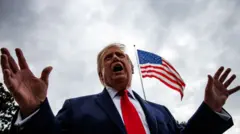
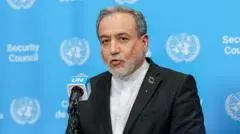
Vice-President JD Vance is among the senior US officials expected to participate in the negotiations, signaling the administration's seriousness. The White House has not commented publicly on the specific demands, but sources confirm the core requirement: a public Iranian pledge to stop shooting at ships. Iran's foreign ministry has not confirmed its delegation, but signals from Tehran suggest a willingness to negotiate — though not necessarily to capitulate.
What a public pledge would actually mean
A formal Iranian commitment would be more than symbolic. It would create a clear benchmark for compliance. If Iran violates the pledge, the US would have stronger grounds for military retaliation or UN Security Council action. For Iran, a public pledge could ease economic pressure and reduce the risk of a broader war — but it would also be a significant concession after years of projecting strength in the Gulf.
Confirmed facts vs what remains unclear
Confirmed: The US is demanding a public Iranian pledge to stop attacks on ships in the Strait of Hormuz. Talks resume Saturday in Oman. VP JD Vance is expected to participate. Unclear: Whether Iran will agree to a public pledge or insist on a private understanding. The exact location and format of the talks remain undisclosed. It is also unclear if the US is offering any sanctions relief in exchange.
Why this negotiation is different from previous rounds
Previous US-Iran talks under the Biden and Trump administrations focused on nuclear programs and sanctions. This round is narrowly focused on maritime security — a more immediate, tangible issue. The demand for a public pledge, rather than a private agreement, reflects the administration's desire for verifiable accountability and a clear diplomatic win.
Risks if the talks fail
If Iran refuses to make the pledge, the US could escalate military operations in the Gulf, including more airstrikes or a naval blockade. That risks a direct military confrontation between US and Iranian forces — something both sides have so far avoided. For global markets, failure would mean continued uncertainty, higher oil prices, and potential supply disruptions.
A wider pattern: The Gulf's fragile shipping security
The Strait of Hormuz crisis is part of a broader trend of maritime insecurity in the Middle East. From Houthi attacks in the Red Sea to Iranian seizures of tankers, the region's shipping lanes have become geopolitical battlegrounds. The outcome of these talks could set a precedent for how future maritime disputes are resolved — or escalated.
What Indians should watch for in the coming days
For Indian readers, the key signals to monitor are: whether Iran makes a public statement about the Strait, any changes in global oil prices, and official statements from India's Ministry of External Affairs. If the talks succeed, fuel prices could stabilize. If they fail, expect volatility. Indian students and workers in the Gulf region should also stay informed about travel advisories.
What happens next
The Oman talks are expected to last several days. If an agreement is reached, a joint statement or Iranian public declaration could follow within a week. If not, the US may announce new military deployments or sanctions. Either way, the world's most important oil route remains at the center of a high-stakes diplomatic gamble.
Our Take
This is a rare moment where a narrow, achievable diplomatic goal — stopping ship attacks — could yield outsized benefits for global stability. But the demand for a public pledge raises the bar. Iran's leadership may find it difficult to make such a concession without domestic backlash. The real test is whether both sides can find a face-saving formula that delivers real security for the Strait of Hormuz — and for the millions of people who depend on it.
Frequently Asked Questions
Why is the US demanding a public pledge from Iran?
The US wants a verifiable, public commitment to stop attacks on ships in the Strait of Hormuz, rather than private assurances that could be denied later. A public pledge creates clear accountability and strengthens the US position if Iran violates it.
What happens if Iran refuses to make the pledge?
If talks fail, the US could escalate military operations in the Gulf, including more airstrikes or a naval blockade. Global oil prices would likely rise, and shipping insurance costs would increase, affecting consumers worldwide.
How does the Strait of Hormuz crisis affect India?
India imports nearly 80% of its crude oil through the Strait of Hormuz. Any disruption can spike fuel prices, increase inflation, and strain household budgets. Indian students and workers in the Gulf may also face travel disruptions.
Who is mediating the US-Iran talks in Oman?
Oman has historically served as a mediator between the US and Iran. The talks are being hosted by Omani officials, with Vice-President JD Vance among the senior US participants expected to attend.