The crisis between Iran and the United States escalated sharply on Wednesday as Tehran launched fresh strikes, accusing Washington of bombing near its Bushehr nuclear power plant. The accusation, if confirmed, would mark a dangerous new threshold in a conflict that has already claimed at least 14 lives since Tuesday.
Tehran retaliates after nuclear plant accusation
Iranian state media reported that the country launched new strikes on Wednesday afternoon, hours after accusing the US of striking near the Bushehr nuclear facility. The US has not commented on the specific allegation. Jordan, a key US ally in the region, said it shot down eight missiles during the latest exchange.
Why the Bushehr accusation changes the stakes
Bushehr is Iran’s only operational nuclear power plant, located on the coast of the Persian Gulf. Any strike near such a facility raises fears of a radiological incident and could trigger a broader regional war. The accusation, even if unverified, signals that the conflict is moving into territory that directly threatens civilian infrastructure and international nuclear safety protocols.
Two days of strikes: what we know
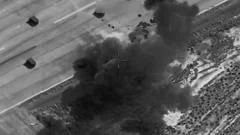
US Central Command said it hit 90 Iranian targets in the latest round of strikes, which began Tuesday. Iran’s health ministry confirmed 14 people have been killed since Tuesday night. Iran said it targeted American bases in Qatar, Kuwait, and Bahrain in retaliation. Meanwhile, huge crowds gathered in Mashhad for the burial of former Iranian Supreme Leader Ali Khamenei, adding a layer of internal political tension to the external crisis.
Who is affected on the ground
Beyond the 14 confirmed deaths, the strikes have disrupted daily life across southern Iran. Residents near Bushehr and other targeted areas have reported explosions and power outages. In Gulf states like Qatar, Kuwait, and Bahrain, the threat of incoming missiles has triggered air raid sirens and sent civilians into shelters. The psychological toll on millions of people across the region is mounting.
Washington’s silence on the nuclear plant claim
The US has not officially responded to Iran’s accusation of striking near Bushehr. Centcom’s statement focused on the 90 targets hit, describing them as military in nature. The lack of a denial or confirmation from Washington leaves a critical question unanswered: did US forces operate near a nuclear facility, and if so, was it intentional or a miscalculation?
What the escalation means for the region
The current round of strikes is the most intense since the conflict began. Iran’s decision to accuse the US of targeting near a nuclear plant suggests Tehran is framing the conflict in existential terms, potentially to rally domestic support and international sympathy. For Gulf states, the risk of being caught in the crossfire is now a daily reality. Jordan’s interception of eight missiles shows how the conflict is spreading beyond Iran and US bases.
Confirmed facts vs what remains unclear
Confirmed: Iran launched new strikes on Wednesday. Centcom says it hit 90 Iranian targets. Iranian health ministry reports 14 killed since Tuesday. Jordan shot down eight missiles. Huge crowds gathered in Mashhad for Khamenei’s burial.
Unclear: Whether the US actually struck near the Bushehr nuclear plant. The US has not commented. The exact locations of the 90 US targets remain unspecified. The full casualty count is still emerging.
Risks and balanced view
The escalation carries multiple risks: a direct US-Iran confrontation could draw in regional proxies, disrupt global oil supplies, and trigger a humanitarian crisis. Critics of the US strikes argue that hitting 90 targets without clear evidence of de-escalation risks a prolonged war. Supporters say the strikes are necessary to degrade Iran’s military capabilities. The nuclear plant accusation, if false, could be a propaganda move by Tehran to gain leverage. If true, it represents a serious escalation by Washington.
Wider pattern: from proxy war to direct confrontation
This conflict marks a shift from years of proxy warfare — through militias in Iraq, Syria, and Yemen — to direct military exchanges between the US and Iran. The strikes on Tuesday and Wednesday represent the most direct US military action against Iran in decades. The pattern suggests that both sides are willing to take risks that were previously unthinkable.
What people in the region should do now
For civilians in southern Iran and Gulf states: follow local civil defense instructions, stay informed through official channels, and avoid areas near military installations. For international observers: monitor statements from the IAEA regarding nuclear safety at Bushehr. For investors: oil markets are likely to remain volatile; prepare for potential supply disruptions.
What could happen next
The immediate trajectory depends on whether the US responds to Iran’s latest strikes. If Washington launches another round, the conflict could spiral further. Diplomatic channels remain largely silent. The burial of Khamenei in Mashhad could also trigger internal political shifts in Iran, potentially affecting Tehran’s decision-making. International pressure for a ceasefire is expected but may not materialize quickly.
Our Take
This is no longer a limited military exchange. The accusation of a strike near a nuclear plant, whether true or not, has introduced a new level of danger. Both sides appear locked in a cycle of retaliation with no off-ramp. For the region, the nightmare scenario — a direct US-Iran war with nuclear infrastructure in the crosshairs — is no longer hypothetical. The world is watching, but for now, the guns are not silent.
Frequently Asked Questions
Did the US strike near Iran’s Bushehr nuclear plant?
Iranian state media has accused the US of striking near the Bushehr nuclear power plant. The US has not commented on this specific allegation. The claim remains unverified.
How many people have been killed in the latest strikes?
Iran’s health ministry says 14 people have been killed since Tuesday night. The figure includes casualties from both US and Iranian strikes.
What did Centcom say about the strikes?
US Central Command said it hit 90 Iranian targets in the latest round of strikes. It described the targets as military in nature but did not provide specific locations.
Which countries have been affected by the Iranian strikes?
Iran says it targeted American bases in Qatar, Kuwait, and Bahrain. Jordan reported shooting down eight missiles. Southern Iran has also been hit by US strikes.