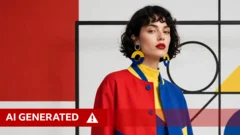
Meta has pulled a new AI image feature just days after its release, following a wave of backlash from users and privacy advocates. The tool, which let people create and edit AI-generated images using public Instagram profile pictures, raised immediate concerns about consent, data misuse, and the boundaries of AI-powered content manipulation on social media.
What the AI image tool did — and why it sparked outrage
The feature, reportedly called Muse Image, allowed users to take public Instagram profile pictures and use them as inputs for AI-generated image creation and editing. This meant anyone could potentially alter a stranger's photo without their permission, creating images that could be misleading, embarrassing, or harmful.
Privacy experts warned that the tool effectively turned every public Instagram profile into a training dataset for AI manipulation, with no opt-in mechanism for the people whose images were being used. The lack of consent safeguards became the central flashpoint of the backlash.
Why this matters for every Instagram user
For the hundreds of millions of people who use Instagram daily, this controversy hits close to home. Public profiles are common — many users, including creators, businesses, and public figures, rely on public visibility. The AI tool meant that anyone's public photo could be repurposed without their knowledge or approval.
The emotional reaction was swift. Users expressed anger and anxiety on social media, with many questioning whether their images had already been used. The incident has reignited broader debates about how tech companies handle user data in the age of generative AI.
How the backlash unfolded — a timeline of events
The feature was quietly rolled out earlier this week as part of Meta's broader push into AI-powered content tools. Within hours, users began noticing the option and testing its limits. Screenshots and complaints spread rapidly across platforms, with many calling the feature a privacy violation waiting to happen.
By the second day, major tech publications and privacy advocacy groups had picked up the story. The criticism was loud and bipartisan — spanning from digital rights activists to everyday users who felt their trust had been breached. By day three, Meta had suspended the feature.
Who is affected — and what the risks really are
The most immediate risk is to individuals with public Instagram profiles. While Meta has not confirmed how many users may have been affected, the potential scale is enormous given Instagram's user base of over 2 billion monthly active users.
Beyond individual privacy, the tool raised concerns about deepfake-style misuse, harassment, and the creation of non-consensual imagery. Privacy advocates argue that even if Meta had safeguards in place, the very existence of such a tool without explicit user consent sets a dangerous precedent.
Meta's response — and what remains unclear
Meta has not issued a detailed public statement explaining the suspension. The company confirmed the feature is paused but has not said whether it will be redesigned, permanently scrapped, or reintroduced with new safeguards. This lack of transparency has frustrated critics, who want clear commitments on consent mechanisms and data usage policies.
Industry observers note that Meta has a history of launching AI features first and addressing concerns later — a pattern that has drawn repeated regulatory scrutiny in Europe and elsewhere.
What this tells us about Meta's AI strategy
The rapid suspension suggests internal pressure at Meta to respond to user backlash, but it also highlights a recurring tension: the company's aggressive push into generative AI versus the privacy expectations of its user base. Meta has invested heavily in AI tools across Facebook, Instagram, and WhatsApp, but each rollout brings fresh questions about data ethics.
This incident is not isolated. Similar controversies have surrounded AI features from other tech giants, including Google's image generation tools and OpenAI's Dall-E, where concerns about consent and misuse have led to policy changes.
Confirmed facts vs what remains unclear
Confirmed: Meta released an AI image feature that used public Instagram profile pictures. The feature faced widespread backlash. Meta has suspended the feature. The suspension happened within days of release.
Unclear: Whether any user images were actually used to generate content before the suspension. What specific safeguards, if any, were in place. Whether Meta will reintroduce the feature with changes. The exact number of users who may have been impacted.
Risks and balanced view
Supporters of AI innovation argue that tools like this can enable creative expression and new forms of content creation. They point out that public profile pictures are already visible to anyone on the platform, and that AI editing is simply an extension of existing capabilities.
Critics counter that visibility and manipulability are fundamentally different. Just because a photo is public does not mean its owner has consented to it being altered by AI. The lack of an opt-in mechanism, they argue, violates basic principles of digital consent and could enable harassment, impersonation, and misinformation.
Wider trend: AI and the consent crisis
This controversy is part of a larger pattern. From AI-generated deepfakes to training datasets scraped without permission, the tech industry is grappling with a consent crisis. Users are increasingly aware that their data — including images, posts, and interactions — can be used in ways they never anticipated.
Regulators in the European Union, India, and elsewhere are paying close attention. The EU's AI Act and India's proposed Digital Personal Data Protection Act both emphasize consent and transparency. Incidents like this could accelerate regulatory action.
What Instagram users should do now
For users concerned about privacy, the safest step is to review your Instagram profile settings. Switching to a private account ensures your photos are not publicly accessible. Users can also remove tagged photos and limit who can reshare their content.
Privacy advocates recommend regularly auditing which third-party apps and services have access to your account. While Meta has suspended this specific feature, the underlying capability may return in a different form.
Future outlook — what happens next
Meta faces a choice: redesign the feature with robust consent mechanisms, or abandon it entirely. Given the company's investment in AI, a redesign is more likely — but it will need to address the core privacy concerns to avoid another backlash.
Regulatory scrutiny is also likely to increase. Lawmakers in multiple jurisdictions may use this incident to push for clearer rules on AI-generated content and user consent. The outcome could shape how other tech companies approach similar features.
Our Take
This incident is a textbook case of technology outpacing ethics. Meta's AI ambitions are clear, but the company repeatedly stumbles on the basics — like asking for permission. The speed of the backlash and the swift suspension suggest that users are no longer willing to give tech companies the benefit of the doubt when it comes to their data.
The real test will be what happens next. If Meta returns with a redesigned tool that puts consent first, this could become a learning moment. If it quietly reintroduces the same feature with minor tweaks, the trust deficit will only deepen. For now, the message from users is unmistakable: AI features must respect boundaries, not test them.
Frequently Asked Questions
What was the Meta AI image feature that was pulled?
Meta released an AI tool that let users create and edit images using public Instagram profile pictures. It was suspended within days after widespread backlash over privacy and consent concerns.
Why did people criticize the AI image tool?
Critics said the tool allowed anyone to alter a person's public photo without their permission, raising risks of harassment, deepfake misuse, and violation of digital consent.
Is my Instagram data safe now that the feature is suspended?
Meta has paused the feature, but users with public profiles should review their privacy settings. Switching to a private account is the most effective way to prevent public access to your photos.
Will Meta bring back the AI image feature?
Meta has not announced any plans. The company may redesign the tool with better consent safeguards, but no timeline or commitment has been given.