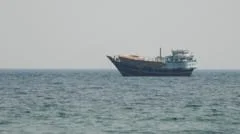
The United States has insisted the Strait of Hormuz remains open for all shipping, even as it exchanged military strikes with Iran following an attack on a Cyprus-flagged vessel. The demand — that Tehran publicly guarantee safe passage — underscores the high stakes in a confrontation that threatens the world’s most vital oil chokepoint.
Why the Strait of Hormuz matters to every Indian household
Nearly 20% of the world’s oil passes through this narrow waterway between Iran and Oman. For India, which imports over 80% of its crude oil, any disruption means higher fuel prices, costlier imports, and potential inflation. The ripple effect touches everything from petrol prices to the cost of everyday goods.
What happened: the attack that triggered the crisis
The latest escalation began when a Cyprus-flagged vessel was attacked while transiting the Strait of Hormuz. The US responded with strikes against Iranian positions, and Iran retaliated. The US has since demanded that Iran publicly state the strait is open and that ships will not be attacked. Iran has not complied, and its IRGC navy has declared the strait closed.
Who is affected and how
Shipping companies, oil traders, and global supply chains are on high alert. Tanker operators may reroute or demand higher insurance premiums. Indian refiners, which rely heavily on Middle Eastern crude, face potential supply disruptions. Consumers could see fuel prices rise if the crisis persists.
US demands and Iran’s position
US officials have made clear that the strait must remain open under international law. They have called on Iran to stop attacks and publicly commit to safe passage. Iran, however, has declared the strait closed through its IRGC navy, creating a direct standoff. The US insists it will keep the waterway open by force if necessary.
What this means for global oil markets
Oil prices have already reacted to the uncertainty. Any sustained closure or attacks on tankers could push crude prices sharply higher. Analysts warn that even the threat of disruption is enough to spook markets. India, as a major importer, is particularly vulnerable to price spikes.
Confirmed facts vs what remains unclear
Confirmed: A Cyprus-flagged vessel was attacked in the Strait of Hormuz. The US and Iran have exchanged strikes. The US has demanded Iran publicly state the strait is open. Iran’s IRGC navy has declared the strait closed.
Unclear: The extent of damage from the strikes. Whether Iran will comply with US demands. How long the standoff will last. The exact status of shipping through the strait at this moment.
Risks and balanced view
The situation carries significant risks. Escalation could lead to a broader conflict, disrupting global energy supplies for months. However, both sides have historically avoided all-out war, and diplomatic channels remain open. Critics warn that US demands may be unrealistic if Iran sees the strait as leverage.
Wider trend: the Strait of Hormuz as a pressure point
This is not the first time the Strait of Hormuz has been at the center of a crisis. Iran has threatened to close the waterway in past confrontations, using it as a strategic bargaining chip. The pattern reflects the strait’s role as a flashpoint in US-Iran tensions, with global energy security hanging in the balance.
Practical guidance for Indian readers
Monitor fuel prices and government announcements. If you are in the shipping or logistics industry, review contingency plans for rerouting or insurance. For investors, keep an eye on oil stocks and energy ETFs. The situation is fluid, and staying informed is the best defense.
Future outlook
The coming days will be critical. The US may increase military presence in the region. Iran could test the US resolve by attempting to block a vessel. Diplomatic efforts, possibly through the UN or Gulf intermediaries, may intensify. Oil markets will remain volatile until clarity emerges.
Our Take
The Strait of Hormuz crisis is a reminder of how fragile global energy supply chains are. For India, the stakes are particularly high. While the US insists the waterway remains open, the reality is that even the threat of closure can disrupt markets. The best outcome is a diplomatic resolution that guarantees safe passage. The worst — a prolonged standoff — would hit Indian consumers hard. This story deserves close attention, not just for its geopolitical drama, but for its direct impact on everyday life.
Frequently Asked Questions
Is the Strait of Hormuz open right now?
The US insists the Strait of Hormuz remains open for shipping. However, Iran’s IRGC navy has declared it closed, creating uncertainty. Ships may face delays or increased insurance costs.
Why is the Strait of Hormuz so important?
It is the world’s most important oil chokepoint, handling about 20% of global oil supply. Any disruption affects oil prices, shipping costs, and energy security worldwide.
How does this affect India?
India imports over 80% of its crude oil, much of it from the Middle East via the Strait of Hormuz. A closure or sustained disruption could raise fuel prices and contribute to inflation.
What happens if Iran blocks the strait?
If Iran successfully blocks the strait, oil prices would spike sharply, global shipping would be disrupted, and the US and its allies would likely respond militarily to reopen it.