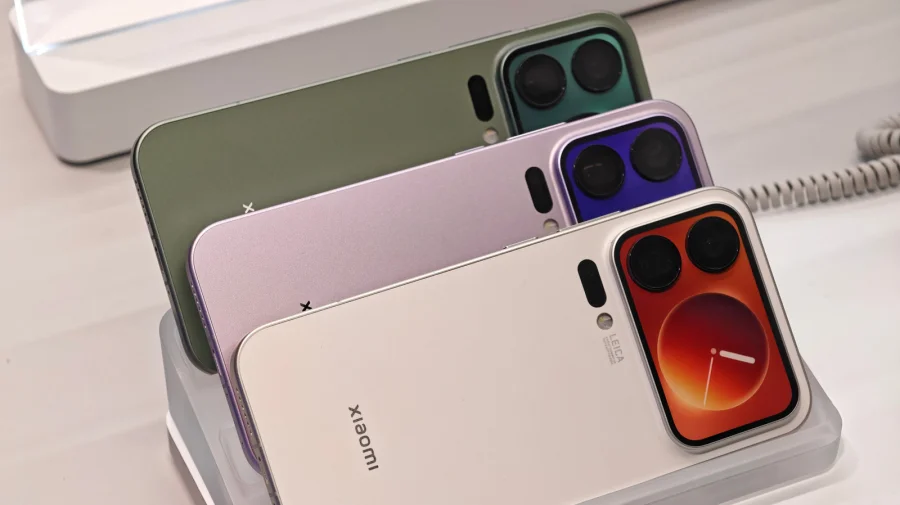
Imagine a phone that rivals the latest Samsung or Apple in specs, but costs hundreds of dollars less. That's the promise of Xiaomi, the Chinese tech giant that has become a global powerhouse. Yet, if you live in the United States, you can't walk into a store and buy one. It's not because of a government ban. The company is legally allowed to sell its phones in America. So why doesn't it?
The Legal Reality: No Ban, But No Business
There is no US law or executive order that specifically bans Xiaomi smartphones. The company faced a brief scare in 2021 when the Trump administration added it to a blacklist of Chinese military-linked companies, but a federal judge quickly blocked that order, and the Biden administration later removed Xiaomi from the list. Today, Xiaomi's phones face no legal barrier to entry. The absence is purely a business decision.
Why Xiaomi Stays Away: The Carrier Conundrum
The single biggest reason Xiaomi doesn't sell phones in the US is the carrier system. In America, most phones are sold through Verizon, AT&T, and T-Mobile. These carriers require extensive testing, certification, and support agreements. Xiaomi has never invested in building these relationships. Without carrier partnerships, a phone brand struggles to reach mainstream buyers. Xiaomi's strategy has been to sell online and through flash sales, a model that works in India and China but not in the US, where carrier subsidies dominate.
The Patent Problem: A Legal Minefield
Another major hurdle is patents. The US is a highly litigious market for smartphone technology. Companies like Nokia, Ericsson, and Qualcomm hold thousands of patents that Xiaomi would need to license. Entering the US without a robust patent portfolio or cross-licensing agreements invites expensive lawsuits. Xiaomi has been building its patent library, but it's not yet strong enough to defend against a potential attack from rivals. The company prefers to avoid the risk altogether.
Who Loses Out? The American Consumer
For US consumers, Xiaomi's absence means less choice and higher prices. Xiaomi phones often offer flagship-level processors, high-refresh-rate screens, and large batteries at mid-range prices. Without Xiaomi, the budget and mid-range segments in the US are dominated by Samsung's A-series and Google's Pixel A-series, which are good but not as aggressively priced. Xiaomi's absence also means less pressure on Apple and Samsung to innovate on value.
What Xiaomi Says: A Strategic Pivot
Xiaomi has publicly stated that the US smartphone market is not a priority. The company's leadership has said it is focused on markets where it already has strong brand recognition and distribution. Xiaomi is the number one smartphone brand in India and a top player in China and parts of Europe. The company also sells smart home devices, wearables, and electric scooters in the US through its Mi ecosystem, but it has drawn a clear line around phones.
The Real Reason: It's Not Worth the Fight
Analysts believe the core reason is simple: the cost of entering the US market outweighs the potential reward. Building carrier relationships, marketing a new brand, and fighting patent battles would require billions of dollars. Xiaomi's profit margins are already thin. The company would rather invest those resources in markets where it can grow without such friction. The US market, while large, is also saturated and fiercely competitive.
Confirmed Facts vs What Remains Unclear
Confirmed: Xiaomi is not banned from selling phones in the US. The company has no official US smartphone sales channel. Carrier partnerships are absent. Patent risks are a known barrier. Unclear: Whether Xiaomi will ever enter the US market. Some reports suggest the company is quietly testing the waters with premium devices, but no official plan exists. Speculation about a 2025 or 2026 entry remains unconfirmed.
Xiaomi's Moat: Ecosystem and Scale
Xiaomi's strength lies in its ecosystem. The company sells everything from air purifiers to electric toothbrushes, all connected through its Mi Home app. This ecosystem creates stickiness. In markets where Xiaomi sells phones, users are more likely to buy its other products. The company also benefits from massive scale, selling over 150 million phones annually, which gives it leverage with component suppliers. This moat works well in Asia and Europe but has not been tested in the US.
Risks and Balanced View
Critics argue that Xiaomi's absence from the US is a sign of weakness, not strategy. Entering the US would force Xiaomi to compete on brand trust, privacy, and after-sales service — areas where it has faced criticism. The company has been accused of data privacy issues in India and Europe. US regulators and consumers are more sensitive to these concerns. There is also the risk that a future administration could revive trade restrictions, making any investment in the US market risky.
The Wider Trend: Chinese Brands Avoiding the US
Xiaomi is not alone. Other major Chinese phone makers like Oppo, Vivo, and Huawei (which is actually banned) also have little to no presence in the US. The pattern suggests a structural issue: the US market is uniquely difficult for Chinese brands due to geopolitical tensions, patent thickets, and carrier control. Only OnePlus, a subsidiary of Oppo, has managed a modest presence, and even it struggles to gain significant market share.
What Should US Consumers Do?
If you want a Xiaomi phone, you can import one from China or India through online retailers like AliExpress or Amazon third-party sellers. But be warned: imported phones may not support US 5G bands, may lack VoLTE compatibility, and will not have a US warranty. For most people, the better option is to stick with officially sold brands like Samsung, Google, or Motorola, which offer reliable network support and service.
Future Outlook: Will Xiaomi Ever Come to the US?
A US entry is not impossible, but it is unlikely in the near term. Xiaomi would need to partner with at least one major carrier, secure patent licenses, and build a service network. The company's recent focus on electric vehicles (EVs) suggests its priorities lie elsewhere. If Xiaomi does enter the US, it will likely start with a single premium device sold unlocked online, testing the waters before a full launch.
Our Take
Xiaomi's absence from the US is a case study in market strategy. The company has chosen to dominate where the barriers are lower and the rewards are higher. For American consumers, this means missing out on some of the best value phones in the world. But it also means avoiding the risks of a brand that has yet to prove its trustworthiness in a demanding market. Until Xiaomi decides the fight is worth it, US buyers will have to admire its phones from afar.
Frequently Asked Questions
Are Xiaomi phones banned in the US?
No, Xiaomi phones are not banned in the US. The company was briefly on a blacklist in 2021, but that was overturned. There is no current legal restriction preventing Xiaomi from selling phones in America.
Why doesn't Xiaomi sell phones in the US?
Xiaomi has chosen not to enter the US smartphone market due to the high cost of carrier partnerships, patent licensing risks, and a strategic focus on markets like India, China, and Europe where it already has strong sales.
Can I use a Xiaomi phone in the US?
You can use an imported Xiaomi phone in the US, but it may not support all US 4G and 5G bands, and VoLTE (voice over LTE) may not work. Network compatibility is not guaranteed, and there is no US warranty or customer support.
Will Xiaomi ever launch phones in the US?
There is no confirmed plan. Xiaomi has said it is "evaluating" the US market, but analysts believe a launch is unlikely in the next few years due to the high barriers to entry and the company's focus on other priorities like electric vehicles.