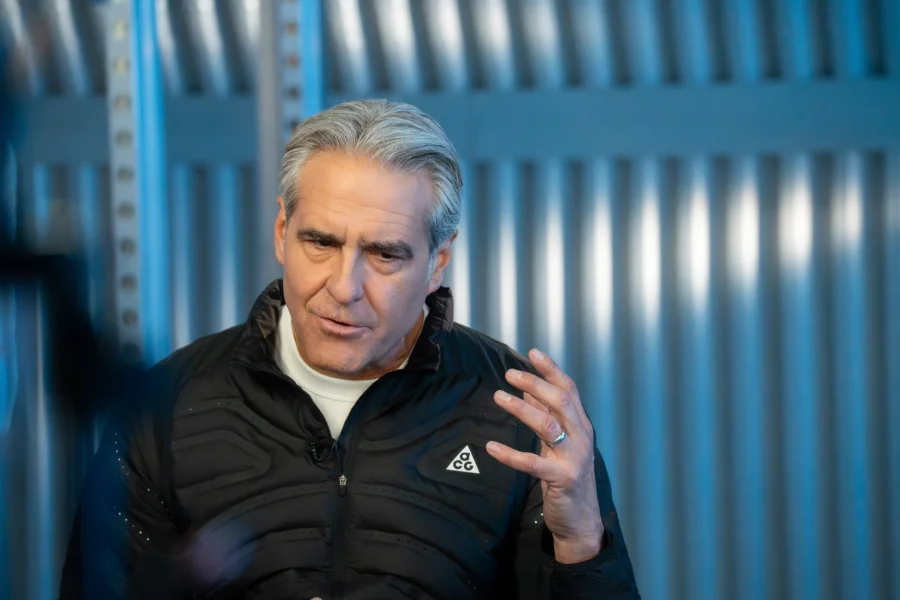
The news traveled quickly across Nike’s sprawling headquarters in Beaverton, Ore. Elliott Hill was coming back. Employees high-fived. An audible cheer could be heard in parts of Nike’s 400-acre campus. Current and former employees lit up group chats and social media. On Wall Street, investors joined the celebration, sending Nike shares up roughly 8% in after-hours trading following the company’s September 2024 announcement that Hill would come out of retirement to replace John Donahoe as chief executive.
A Homecoming That Felt Like More Than a Leadership Change
The exuberance reflected more than relief that Donahoe was leaving. Hill’s return carried an almost messianic quality inside a company that had spent several years watching its innovation pipeline sputter, relationships with retailers deteriorate, and its once-untouchable brand aura fade. For many, Hill wasn’t just a new CEO — he was a symbol of Nike returning to its roots.
Why the Excitement Was So Loud
Hill spent 32 years at Nike before retiring, rising through the ranks to become president of consumer and marketplace. He knew the company’s DNA — the athlete obsession, the retail partnerships, the product-first culture. When he left in 2020, many felt Nike was losing its way. His return felt like a correction, a chance to bring back the playbook that made Nike a global powerhouse.
The Reality Check Two Years In
But the honeymoon phase has faded. Two years after Hill’s return, the turnaround is still a “long, hard slog,” as he himself has described it. The problems that plagued Nike before his arrival — a sluggish innovation pipeline, weakened retailer relationships, and a brand that had lost some of its cultural cachet — have not disappeared overnight. Fixing a $60 billion brand takes more than nostalgia.
What’s Still Broken Inside Nike
The core challenges remain structural. Nike’s direct-to-consumer push under Donahoe alienated many retail partners, and rebuilding those relationships takes time. Meanwhile, competitors have filled the gap, offering fresher designs and faster innovation. Nike’s pipeline, once the envy of the industry, has been criticized for playing it safe rather than breaking new ground.
Why the Brand’s Comeback Matters to You
For everyday consumers, Nike’s struggles mean fewer exciting launches, less innovation in sneaker design, and a brand that feels less culturally dominant than it once did. For investors, it means watching a once-reliable growth story face uncertainty. For employees, it’s about morale and identity — working at a company that feels like it’s finding its way again.
What Elliott Hill Has Said About the Road Ahead
Hill has been candid about the difficulty of the task. He has emphasized that the turnaround won’t happen quickly and that the company needs to rebuild its foundation — from product innovation to retail partnerships to brand storytelling. His message has been one of patience and discipline, not quick wins.
The Deeper Problem: Nike’s Identity Crisis
Beyond the numbers, Nike is wrestling with a deeper question: what does it stand for in a market where sneaker culture has fragmented? Once the undisputed leader, Nike now faces competition from nimble challengers and changing consumer tastes. The brand’s moat — its scale, its athlete endorsements, its cultural footprint — is still formidable, but it’s no longer unbreachable.
Confirmed Facts vs What Remains Unclear
What’s confirmed: Hill returned as CEO in September 2024, shares jumped 8% on the news, and he has publicly described the recovery as a “long, hard slog.” What remains unclear: how long the turnaround will take, whether Nike can reclaim its innovation edge, and whether the brand’s cultural relevance can be restored to its former heights. These are open questions, not settled outcomes.
What Makes Nike Still Matter
Despite the struggles, Nike’s advantages are real. Its scale is unmatched, its athlete partnerships remain the gold standard, and its brand recognition is global. The company has the resources and talent to turn things around. The question is whether it can rediscover the boldness that made it great — and whether Hill’s veteran leadership can spark that revival.
The Risks That Could Derail the Recovery
The risks are significant. A prolonged turnaround could cost Nike market share to competitors. Retail partners may remain skeptical. Innovation failures could further erode consumer trust. And if the brand’s cultural relevance continues to fade, even Nike’s scale won’t protect it. The path forward is far from guaranteed.
A Pattern Across the Industry
Nike’s struggles aren’t isolated. Across the retail and apparel world, legacy brands are grappling with how to stay relevant in a fast-changing market. The rise of direct-to-consumer models, the shift in consumer values, and the speed of digital culture have upended old playbooks. Nike’s turnaround attempt is a test case for whether heritage brands can adapt without losing their identity.
What Should You Watch For Now
For investors, watch Nike’s quarterly earnings for signs of innovation momentum and retail recovery. For consumers, pay attention to upcoming product launches — are they bold or safe? For employees and industry watchers, monitor how Hill balances short-term pressure with long-term rebuilding. The next few quarters will reveal whether the slog is turning into a sprint.
What Could Happen Next
The most likely scenario is a gradual, uneven recovery. Nike may not return to its former dominance quickly, but it has the resources to stabilize and rebuild. The wildcard is whether the brand can recapture its cultural spark — the thing that made Nike more than just a shoe company. That’s the hardest part of the turnaround, and it can’t be forced.
Our Take
Nike’s story is a reminder that even the biggest brands can lose their way — and that bringing back a familiar face isn’t a magic fix. Hill’s return was a moment of hope, but hope alone doesn’t rebuild an innovation pipeline or repair retail relationships. The “long, hard slog” is real, and the outcome is genuinely uncertain. What’s at stake isn’t just Nike’s stock price — it’s whether one of the world’s most iconic brands can still inspire the same excitement it once did. That’s a question worth watching.
Frequently Asked Questions
Why did Nike bring back Elliott Hill?
Nike brought back Elliott Hill, a 32-year veteran, to replace John Donahoe as CEO in September 2024. The move was seen as an attempt to restore the company’s innovation focus, rebuild retail relationships, and revive its brand culture after years of perceived decline.
How has Nike’s stock reacted to the turnaround efforts?
Nike shares jumped roughly 8% in after-hours trading when Hill’s return was announced. However, two years later, the stock’s performance reflects the ongoing challenges of the turnaround, which Hill himself has described as a “long, hard slog.”
What are the biggest challenges facing Nike’s recovery?
Nike faces a stalled innovation pipeline, weakened relationships with retail partners, and increased competition from challenger brands. Rebuilding these areas takes time and carries no guarantee of success.
Is Nike’s brand still culturally relevant?
Nike’s brand remains globally recognized and powerful, but its cultural dominance has faded as sneaker culture has fragmented and competitors have gained ground. Restoring that relevance is a key part of the turnaround effort.