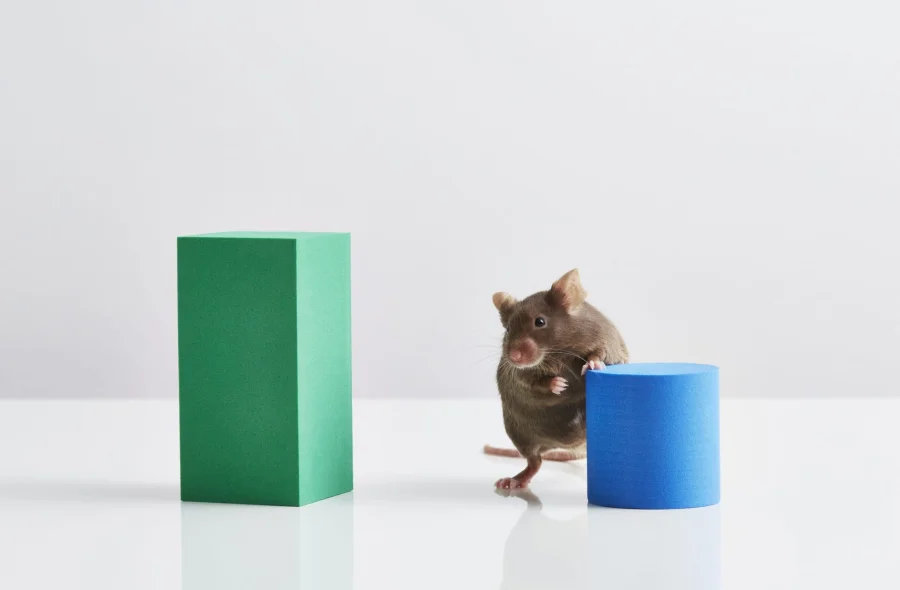
For someone trying to stay sober, the hardest battle often happens after the drink is gone. The craving doesn't fade — sometimes it grows louder. Now, scientists studying alcoholic lab mice believe they have found a clue to why that happens, hidden in a specific part of the brain.
A surprising pattern in abstaining mice
Addiction researchers have long theorized that brain changes during abstinence may actually increase a person's risk of relapse, even as health improves. To test this, the team gave mice long-term voluntary access to alcohol, then forced a period of abstinence.
What they found was striking: a subset of the mice developed what researchers call aversion-resistant alcohol intake. In plain terms, these mice kept drinking even when drinking came with negative consequences — a behaviour that mirrors compulsive drinking in humans.
Why the urge to drink intensifies after quitting
The finding challenges the simple assumption that removing alcohol removes the problem. Instead, the research suggests that the brain may rewire itself during abstinence in ways that make the next drink harder to resist.
For people recovering from alcohol dependence, this could explain why relapse often happens after weeks or months of sobriety, not just in the first few days.
How the experiment was designed
The study followed a clear sequence: long-term voluntary alcohol access, followed by a forced abstinence period. This mirrors the human experience of choosing to drink over time and then stopping — whether by choice or circumstance.
Not all mice showed the compulsive behaviour, which is itself an important observation. Only a subset developed aversion-resistant intake, suggesting individual differences in vulnerability, much like in humans.
What this means for people recovering from alcohol dependence
The most promising angle is screening. If changes in brain activity precede the urge to drink compulsively, it may be possible to identify those most at risk before a relapse occurs.
This moves beyond treating addiction only after it happens, toward predicting vulnerability earlier. For clinicians, that could mean more targeted support for patients during the highest-risk windows of abstinence.
What the research team says
The researchers stated that the urge to drink in abstaining mice is preceded by changes in the activity of a particular brain region. They described this as pointing to potential new screening opportunities to identify and help those most vulnerable to relapse.
It is important to note that this is a mouse study. The team has not yet confirmed whether identical brain activity patterns occur in humans, though the behavioural parallels are compelling.
Reading the science: what this discovery actually tells us
The key insight is timing. The brain changes appear before the compulsive drinking behaviour, not after. That sequence matters because it suggests a predictive signal, not just a consequence.
If future research confirms this in humans, it could change how relapse risk is assessed — moving from behavioural observation alone to a combination of behavioural and neural markers.
What is confirmed and what remains unknown
What is confirmed: a subset of mice developed aversion-resistant alcohol intake after forced abstinence, and this was preceded by changes in a specific brain region's activity.
What remains unclear: which exact brain region is involved, how this translates to human neurobiology, and whether screening tools based on this finding can be developed for clinical use. All of that requires further study.
The wider pattern in addiction research
This study fits into a growing body of evidence that abstinence is not a passive state. The brain remains active, sometimes working against the person trying to stay sober.
Addiction researchers are increasingly focusing on the abstinence period itself as a critical window for intervention, rather than viewing it simply as the absence of drinking.
What this means for you or someone you know
If you are supporting someone through alcohol recovery, this research reinforces that relapse is not a simple failure of willpower. It may involve measurable brain changes that make resistance harder.
For those in recovery, the practical takeaway is to be aware that cravings can intensify over time, not just immediately after quitting. Professional support during extended abstinence periods remains essential.
Where this research could lead
The immediate next step is identifying the exact brain region involved and testing whether similar activity patterns appear in humans. If successful, the long-term goal would be a screening method that flags relapse vulnerability early.
That is still years away. But the direction is clear: understanding the brain's role in relapse could eventually turn addiction treatment from reactive to preventive.
Our Take
This study matters because it reframes relapse as a neurological event, not just a behavioural choice. The finding that brain activity changes precede compulsive drinking in mice offers a testable hypothesis for human research.
The honest limitation is that mice are not people. But the behavioural parallel — aversion-resistant drinking despite negative consequences — is close enough to human relapse patterns to warrant serious attention. The potential for early screening makes this a story worth following.
Frequently Asked Questions
What is aversion-resistant alcohol intake in mice?
It is when mice continue drinking alcohol even when it is paired with negative consequences, such as an unpleasant taste or mild discomfort. This behaviour mirrors compulsive drinking in humans and is used as a model for alcohol dependence in research.
Can this mouse study tell us if a person will relapse?
Not yet. The study shows that in mice, changes in brain activity precede compulsive drinking after abstinence. Whether the same pattern occurs in humans is unknown and requires further research before any screening tool can be developed.
Why do cravings sometimes get stronger after quitting alcohol?
Researchers believe the brain undergoes changes during abstinence that may increase sensitivity to alcohol-related cues. This study in mice supports that theory by showing measurable brain activity changes before compulsive drinking behaviour appears.
What should someone in recovery take away from this research?
The main takeaway is that relapse is not simply about willpower. Brain changes during abstinence may make resisting alcohol harder over time. This reinforces the importance of ongoing professional support, not just in the early days of sobriety but throughout the recovery journey.