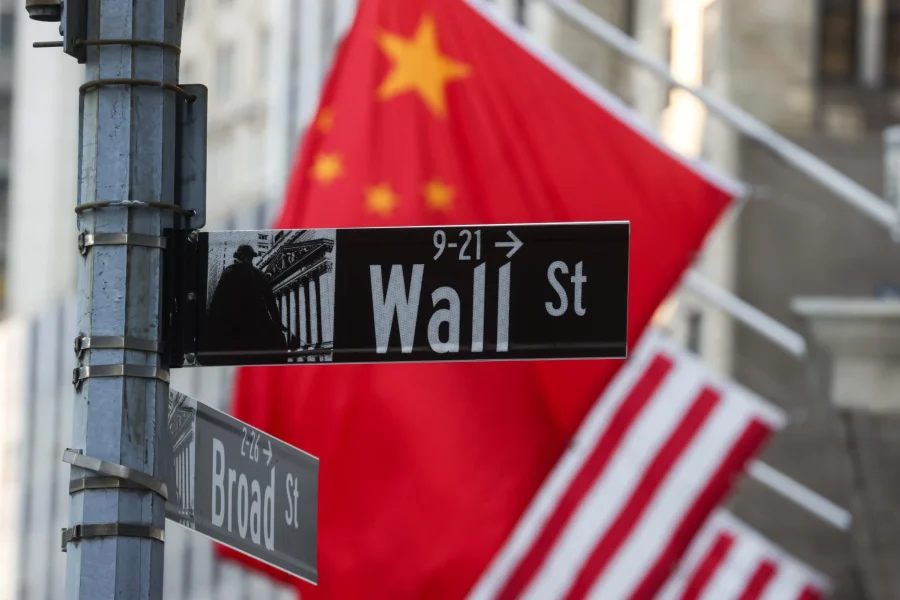
The first time China disrupted the American economy, it was easy to see coming. Cheap clothes, furniture and electronics filled store shelves, and one by one, factories across the US heartland closed their doors. That was China Shock 1.0—visible, tangible, and devastating for manufacturing communities.
This time, the warning comes from a different place. Torsten Slok, chief economist at Apollo Global Management, says the second wave has quietly arrived—and it's aimed at the industries America believed it would always dominate.
The New Warning From Apollo's Chief Economist
"China Shock 2.0 is here," Slok wrote in a note on Friday. His argument is straightforward: China is no longer just exporting low-cost consumer goods. It is now flooding global markets with electric vehicles, semiconductors and other high-tech products—the very categories advanced economies expected to control.
The shift is visible in the numbers. China's exports rose 24% in July, a slight slowdown from the previous month but still robust. The growth was propped up by increased demand for EVs and electronics, with high-tech exports surging sharply.
Why This Shock Hits Different Than the First
The first China Shock hollowed out American manufacturing in textiles, furniture and basic electronics. Painful as it was, those losses were concentrated in specific industries and regions.
China Shock 2.0 is more subtle but carries deeper consequences. It targets the technology sectors where American companies built moats—semiconductors, electric vehicles, advanced electronics. These are not just industries; they are pillars of US economic competitiveness and national security strategy.
Slok's note suggests this wave "comes with more ramifications for U.S. companies" than the first. The reason is simple: when China competes in low-end goods, American workers lose factory jobs. When China competes in high-tech goods, American companies lose market share, pricing power and technological leadership.
From Cheap Goods to Cutting-Edge Technology
The evolution of Chinese exports tells the story. In the 2000s, Chinese factories assembled toys, clothing and basic electronics for Western brands. The value was in the assembly, not the design.
Today, Chinese companies design and manufacture their own EVs, produce advanced semiconductors and dominate supply chains for critical electronics. The export data reflects this transformation—July's 24% growth was driven by precisely these high-value categories.
For American consumers, Chinese EVs and electronics often mean lower prices and more choices. For American companies, they mean something far more uncomfortable: competition from a state-backed industrial machine with scale, subsidies and global reach.
Who Feels the Pressure First
American automakers are already feeling the squeeze. Chinese EV manufacturers have expanded aggressively into global markets, offering vehicles with competitive technology at lower price points. Tesla, Ford and GM now face a challenger that did not exist in their domestic market a decade ago.
Semiconductor companies face a similar dynamic. China has invested heavily in chip production, and while it still trails in the most advanced nodes, its mid-tier chips are increasingly competitive. US chipmakers and equipment suppliers are navigating export controls and supply chain shifts as a result.
Electronics manufacturers, too, are watching Chinese brands move up the value chain—from components to finished products that compete directly with American and allied brands.
What the Data Shows About China's Export Surge
The July export figures offer a snapshot of the shift. Exports rose 24% year-over-year, slightly cooling from the prior month but still strong. The drivers were EVs and electronics—the exact categories Slok identifies as the core of China Shock 2.0.
High-tech exports surged even faster, underscoring the structural change in what China sells to the world. This is not a temporary spike; it reflects years of industrial policy, state investment and supply chain development aimed at moving China up the technology ladder.
Confirmed Facts vs What Remains Unclear
What is confirmed: Slok's note explicitly states "China Shock 2.0 is here." China's exports rose 24% in July. The growth was driven by EVs and electronics. High-tech exports surged.
What remains unclear: The full scale of the impact on specific American companies is still unfolding. Whether the July export pace will hold through the rest of the year is uncertain. How US policy responses—tariffs, export controls, industrial subsidies—will shape the trajectory is also an open question.
The Competitive Challenge for American Business
For American companies, the challenge is not just about price. Chinese firms bring scale, government support and a willingness to accept thinner margins to gain market share. They also control critical parts of the supply chain for batteries, rare earths and electronics components.
This is a different kind of competition. It is not a single product or market—it is a systemic push across the most valuable sectors of the global economy. American companies that compete on technology leadership must now factor in a rival with deep pockets and strategic patience.
Risks and the Balanced View
Not everyone sees China Shock 2.0 as an unqualified threat. Some economists argue that Chinese high-tech exports benefit global consumers through lower prices and faster innovation diffusion. Others note that US export controls and allied supply chain diversification efforts could blunt the impact.
There are also risks in overstating the threat. China still lags in cutting-edge semiconductor manufacturing, and its EV dominance is strongest in domestic and emerging markets, not necessarily in the US or Europe. The picture is more nuanced than a simple narrative of Chinese ascendancy.
Still, Slok's warning reflects a genuine structural shift. The question is not whether China is moving up the value chain—the data says it is—but how American companies and policymakers respond.
A Broader Pattern of Global Competition
China Shock 2.0 fits a wider pattern of intensifying economic competition between the world's two largest economies. From trade tariffs to technology export controls to industrial policy, the US and China are engaged in a long-term contest over who leads the industries of the future.
For American companies, this means operating in a more contested environment. For workers, it means the next wave of disruption may hit white-collar and high-tech jobs, not just factory floors. For policymakers, it raises questions about how to balance open markets with strategic protection.
What American Companies Should Watch Now
For business leaders, the immediate priority is understanding exposure. Which product lines face direct Chinese competition? Where are supply chains dependent on Chinese inputs? What pricing pressure is coming?
For investors, the July export data and Slok's note are signals to reassess sectors that compete directly with Chinese high-tech exports. For workers in tech and manufacturing, the takeaway is the importance of adaptability—the next disruption may be closer than it appears.
What Happens Next
The trajectory of China Shock 2.0 will depend on several factors: whether Chinese export growth sustains its current pace, how US and allied governments respond with policy tools, and how American companies adapt their strategies.
What is clear is that the era of Chinese competition limited to cheap goods is over. The next phase of global economic competition will be fought in the industries that define the future—and American companies are now on the front lines.
Our Take
Slok's warning deserves attention not because it is alarmist, but because it identifies a structural shift that is easy to miss. The first China Shock was visible in shuttered factories and empty store shelves. This one is visible in market share shifts, pricing pressure and the slow erosion of technological advantage.
The deeper story is about complacency. Advanced economies assumed their technological leadership was permanent. China Shock 2.0 is a reminder that competitive advantages are earned, not guaranteed—and that the next disruption often arrives quietly, in the form of exports that were once unthinkable.
Frequently Asked Questions
What is China Shock 2.0?
China Shock 2.0 refers to the second wave of Chinese export disruption, this time targeting high-tech goods like electric vehicles, semiconductors and advanced electronics—rather than the cheap consumer goods of the first wave.
Who is Torsten Slok?
Torsten Slok is the chief economist at Apollo Global Management, a major global investment firm. He issued the "China Shock 2.0 is here" warning in a note on Friday.
Why is China Shock 2.0 bad for American companies?
Unlike the first shock, which affected manufacturing jobs, China Shock 2.0 targets sectors where US companies hold competitive advantage—EVs, semiconductors and high-tech goods. This threatens market share, pricing power and technological leadership.
What does the July export data show?
China's exports rose 24% in July, slightly slower than the previous month, with growth driven by increased demand for electric vehicles and electronics. High-tech exports surged even faster.