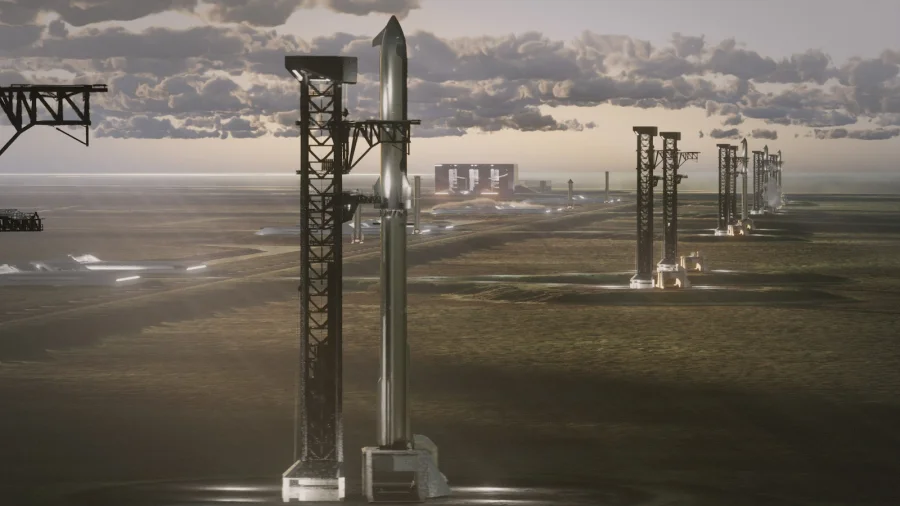
The scale is almost difficult to process. A $100 billion investment. A launch site that its own builder says belongs in science fiction. And now, a new location on the map: Louisiana.
SpaceX has confirmed it is preparing to build a massive new 'Starbase' launch facility in the state, marking one of the most ambitious infrastructure projects ever attempted in the commercial space industry. The company's own words set the tone: "We're preparing to build a spaceport that, until now, has only existed in science fiction."
A Gulf Coast Spaceport Takes Shape
The announcement positions Louisiana as the newest frontier in SpaceX's expanding network of launch facilities. The company already operates significant infrastructure in Texas and Florida, but this project represents a leap in both scale and investment.
The $100 billion figure is not just large — it is transformative. For context, it dwarfs most major infrastructure projects worldwide and signals that SpaceX is thinking beyond current launch capabilities toward something entirely new.
Why Louisiana? The Strategic Logic Behind the Choice
Louisiana offers several advantages that make it an attractive location for a next-generation spaceport. The Gulf Coast provides access to a wide range of launch trajectories, while the region's existing industrial infrastructure — built for oil, gas, and shipping — can be adapted for aerospace use.
The state has also been actively courting space investment, offering incentives and support for commercial space development. For local communities, the project could bring thousands of jobs and a new economic identity.
From Science Fiction to Construction Reality
SpaceX's framing of the project as something "that has only existed in science fiction" is telling. It suggests the facility will not simply be another launch pad, but a fully integrated spaceport capable of supporting frequent launches, spacecraft manufacturing, and potentially even space tourism or interplanetary missions.
This is consistent with SpaceX's broader vision of making humanity a multiplanetary species. A facility of this scale would be central to that ambition.
What This Means for the Space Industry
The announcement reshapes the competitive landscape. No other private company has committed this level of investment to a single launch facility. It signals confidence in the long-term growth of space activity — from satellite deployment to deep-space missions.
For the broader industry, it raises the bar. Competitors will need to match not just technological capability but also infrastructure ambition.
Official Statement and What We Know So Far
SpaceX's statement is direct: "We're preparing to build a spaceport that, until now, has only existed in science fiction." Beyond that, specific details remain limited.
No official timeline has been released for construction. Regulatory approvals, environmental assessments, and local permitting will all play a role in how quickly the project moves forward. The company has not yet specified which rocket systems will operate from the new site, though its Starship program is the most likely candidate given the scale described.
Confirmed Facts vs What Remains Unclear
What is confirmed: SpaceX is building a $100 billion launch site in Louisiana, and the company describes it as unprecedented in scale.
What remains unclear: the exact location within Louisiana, the construction timeline, the specific launch vehicles to be used, and the full scope of operations. These details will likely emerge as the project moves through planning and regulatory phases.
Why SpaceX's Infrastructure Ambition Matters
SpaceX's competitive advantage has never been just its rockets — it is its ability to build infrastructure at scale. The company vertically integrates manufacturing, launch operations, and spacecraft development. This new spaceport extends that moat.
Few organizations on Earth can commit $100 billion to a single facility. This is not just a business decision; it is a statement about the future of space access.
Risks and Balanced View
Projects of this scale carry significant risks. Construction costs can overrun. Regulatory hurdles can delay timelines. Environmental concerns — particularly in a coastal state like Louisiana — will need to be addressed carefully.
There are also questions about demand. A facility this large assumes a future where launches are frequent and space activity is booming. If that growth is slower than expected, the economics could become challenging.
Supporters will argue that SpaceX has consistently proven skeptics wrong. Critics will point to the environmental and community impacts of large-scale industrial development along the Gulf Coast.
A Pattern of Ambitious Expansion
This move fits a clear pattern. SpaceX has steadily expanded from a single launch site to a global infrastructure network. The Louisiana project is the most aggressive step yet in that trajectory.
It also reflects a broader trend: space is no longer a government-only domain. Private companies are now building the infrastructure that will define the next era of space exploration.
What Readers Should Watch For
For those following the story, the key milestones will be: site selection announcements, environmental review processes, state and federal approvals, and any updates on construction timelines.
For Louisiana residents, the project could mean jobs, economic growth, and a new industrial base — but also questions about environmental impact and community disruption. Staying informed through official channels will be important.
What Happens Next
The coming months will likely bring more details on the project's scope and timeline. SpaceX will need to navigate state and federal regulatory processes, secure permits, and begin early site work.
If the project proceeds as described, it will transform not just Louisiana's economy but the entire landscape of American space infrastructure.
Our Take
This announcement is significant for reasons beyond the headline number. A $100 billion commitment signals that SpaceX believes the future of space is not decades away — it is now. The choice of Louisiana also shows that space infrastructure is spreading beyond traditional hubs, bringing economic opportunity to new regions.
But the scale also invites scrutiny. Projects of this magnitude demand transparency, environmental responsibility, and community engagement. The science fiction vision must be built on solid, accountable foundations.
For now, the story is one of ambition — and the world will be watching to see how it translates into reality.
Frequently Asked Questions
Where exactly in Louisiana will the SpaceX Starbase be built?
The specific location has not yet been officially announced. SpaceX has confirmed it is preparing to build the facility in Louisiana, but detailed site selection information is expected to be released as the project moves through planning and regulatory phases.
How much will the SpaceX Louisiana launch site cost?
SpaceX has indicated the project represents a $100 billion investment, making it one of the largest infrastructure commitments in commercial space history. This figure covers the full scope of the spaceport development.
What rockets will launch from the new Louisiana Starbase?
SpaceX has not officially confirmed which rocket systems will operate from the new site. Given the scale and the company's description of the facility, its Starship program is widely considered the most likely candidate.
When will construction begin on the Louisiana spaceport?
No official construction timeline has been released. The project will require regulatory approvals, environmental assessments, and permitting before major construction can begin. Further announcements are expected in the coming months.