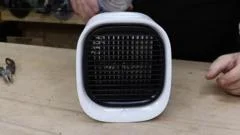
Imagine a scorching summer day, and you see an ad promising a small, portable device that can cool your entire room in just 90 seconds. It sounds like a dream come true. But for many, it turned into a costly disappointment. The UK's advertising watchdog has now stepped in, banning adverts for these so-called "portable air conditioners" that were sweeping the internet with claims that were simply too good to be true.
How the 'cool in 90 seconds' claim was debunked
The Advertising Standards Authority (ASA) investigated adverts for several portable cooling devices. The ads claimed these small units could rapidly lower the temperature of an entire room. The ASA found that the advertisers could not provide any evidence to support these claims. The devices, often small and requiring water, simply do not have the cooling capacity to achieve what was promised.
Why these fake ACs are a waste of money
For consumers, the impact is direct and financial. These devices are often sold for a significant price, promising relief from heat. In reality, they function more like small evaporative coolers or fans, offering little to no real cooling effect for a whole room. The ASA's ruling protects consumers from being misled into buying an ineffective product, especially during heatwaves when the temptation to buy a quick fix is highest.
The rise of misleading cooling device ads
The ads in question were widely circulated on social media platforms and through targeted online advertising. They often featured slick videos and testimonials that seemed convincing. The ASA's action highlights a growing trend of misleading advertisements for "miracle" cooling products, particularly during summer months. The watchdog has been increasingly active in clamping down on such claims.
Who is most at risk from these scams
People without access to traditional air conditioning, such as those in rented apartments or older homes, are most vulnerable. Students, elderly individuals, and low-income families are often targeted by these ads, as they are more likely to seek affordable cooling solutions. The emotional and physical discomfort of a heatwave makes people more susceptible to such claims.
ASA's official stance on the misleading adverts
The ASA ruled that the claims were "likely to mislead" and that the advertisers had failed to provide adequate substantiation. The watchdog has banned the adverts from appearing again in their current form. The ASA also warned that it would take further action against any company that continues to make similar unsubstantiated claims.
The science behind why these devices can't work
True air conditioners work by removing heat and humidity from a room using a compressor and refrigerant. The small, portable devices being advertised typically use evaporative cooling, which works by blowing air over a water-soaked pad. This can provide a localized cooling effect, but it cannot cool an entire room, especially in humid conditions. The physics simply doesn't allow it.
Confirmed Facts vs What Remains Unclear
Confirmed: The ASA has banned specific adverts for portable air conditioners that claimed to cool a room in 90 seconds. The advertisers could not provide evidence for their claims. Unclear: The exact identities of all the companies behind the banned ads are not fully public. It is also unclear how many units were sold before the ban took effect.
How to spot a fake portable AC ad
Be wary of any ad that promises to cool an entire room with a small, inexpensive device. Look for independent reviews from trusted sources like consumer groups or tech publications. Check the product's specifications: a true air conditioner will have a BTU (British Thermal Unit) rating and require a vent to the outside. If it just needs water and a plug, it's likely an evaporative cooler, not an air conditioner.
What to do if you bought a fake portable AC
If you have purchased a device that you believe was mis-sold, you should contact the retailer or the manufacturer directly. You may be entitled to a refund under consumer protection laws. You can also report the misleading advertisement to your local advertising standards authority.
The wider trend of misleading 'miracle' product ads
This case is part of a broader pattern of misleading advertisements for products that promise quick, easy solutions to complex problems. From weight loss supplements to anti-aging creams, the internet is full of claims that are too good to be true. The ASA's action serves as a reminder to always be skeptical and to verify claims before making a purchase.
Our Take
This ruling is a clear win for consumer protection. The ASA has sent a strong signal that unsubstantiated claims will not be tolerated. However, the battle is far from over. As long as there is demand for affordable cooling, there will be companies trying to exploit it. The best defense is an informed consumer. Always question the science behind a product, especially when it promises a miracle.
Frequently Asked Questions
Are all portable air conditioners fake?
No. Genuine portable air conditioners exist and can effectively cool a room. They are larger, more expensive, and require a vent hose to expel hot air. The "fake" ones are typically small, cheap evaporative coolers that are misleadingly marketed as air conditioners.
How can I tell if a portable AC is real?
Look for a BTU rating, a compressor, and a vent hose. Real air conditioners also have a higher price point (typically over $200). If it just needs water and a plug, it's an evaporative cooler.
What did the ASA ban exactly?
The ASA banned specific adverts that claimed small, portable devices could cool an entire room in 90 seconds. The ban applies to the specific claims made in those adverts.
Can I get a refund if I bought one of these fake ACs?
Yes, you may be entitled to a refund under consumer protection laws if the product was mis-sold. Contact the retailer or manufacturer and cite the ASA ruling as evidence of misleading advertising.