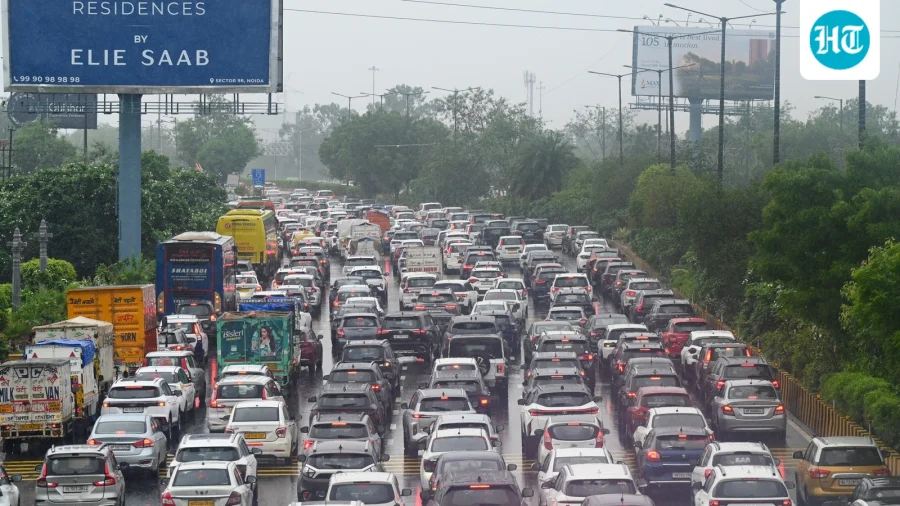
The capital woke up to a watery nightmare on Saturday as the India Meteorological Department (IMD) sounded an Orange alert for Delhi, predicting heavy rainfall and thunderstorms. The downpour, which began overnight, has already uprooted trees, flooded roads, and thrown traffic into chaos, leaving thousands of commuters stranded and homes waterlogged.
How the Rain Wreaked Havoc Across Delhi
From early morning, reports of waterlogging poured in from across the city. Key arterial roads, including stretches near ITO, Minto Bridge, and AIIMS, were submerged under knee-deep water. Commuters faced hours-long delays as vehicles crawled through flooded streets. In several areas, uprooted trees blocked traffic, forcing diversions and adding to the misery.
Why the Orange Alert Matters for Delhi Residents
The Orange alert is the second-highest warning level issued by the IMD, signaling that heavy rain could cause significant disruption. For Delhi’s 20 million residents, this means a heightened risk of waterlogging in low-lying areas, potential damage to property, and dangerous travel conditions. The alert is a call to stay indoors and avoid unnecessary movement until the weather stabilizes.
Timeline of the Downpour: From Overnight to Morning Chaos
The rain began late Friday night, intensifying by early Saturday. By 6 a.m., the IMD had upgraded the warning from Yellow to Orange as rainfall totals crossed 50 mm in several parts of the city. The intensity peaked around 8 a.m., coinciding with the morning rush hour, leading to gridlock on major routes like the Ring Road and Outer Ring Road.
Who Is Affected: Commuters, Residents, and Daily Wage Workers
The rain has hit the most vulnerable the hardest. Daily wage workers, street vendors, and delivery personnel found themselves stranded or unable to work. Schoolchildren and office-goers faced flooded roads and delayed buses. In low-income colonies like Sangam Vihar and Madanpur Khadar, water entered homes, damaging belongings and forcing families to wade through waist-deep water.
IMD’s Warning and Official Response
The IMD has advised residents to avoid low-lying areas, stay away from trees and electric poles, and not to travel unless absolutely necessary. The Delhi Disaster Management Authority has been put on alert, with pumps deployed to clear water from key junctions. Traffic police have issued advisories urging commuters to use alternate routes and avoid flooded stretches.
What’s Driving This Extreme Weather?
Meteorologists attribute the intense rainfall to a combination of a monsoon trough and a western disturbance, which together have pulled moisture-laden winds into the region. Climate scientists warn that such extreme events are becoming more frequent due to rising global temperatures, which increase the atmosphere’s capacity to hold moisture, leading to heavier downpours.
Confirmed Facts vs What Remains Unclear
Confirmed: IMD has issued an Orange alert for Delhi; trees have been uprooted in multiple areas; waterlogging is widespread; traffic is severely disrupted. Unclear: The exact number of trees uprooted; the full extent of property damage; whether any casualties have occurred. Official updates are awaited.
How Delhi’s Infrastructure Is Failing During Heavy Rain
Delhi’s drainage system, designed decades ago, is unable to cope with the intensity of modern monsoon rains. Encroachments on natural water channels and inadequate maintenance have worsened flooding. Experts argue that without major investment in stormwater management, such scenes will repeat every monsoon.
Risks and Concerns: Health, Safety, and Economic Impact
Stagnant water raises the risk of waterborne diseases like dengue and malaria. Power outages and fallen trees pose safety hazards. For businesses, especially small shops and street vendors, the rain means lost income. The economic toll of a single day of disruption can run into crores.
Wider Trend: Monsoon Extremes Across North India
Delhi is not alone. Parts of Uttar Pradesh, Haryana, and Rajasthan have also seen heavy rain this week, with several deaths reported in rain-related incidents. This pattern of intense, short-duration rainfall is consistent with climate change projections for the Indian subcontinent.
Practical Steps for Delhi Residents Right Now
Stay indoors if possible. Avoid driving through flooded roads — even shallow water can hide open manholes. Keep emergency numbers handy. If water enters your home, switch off electricity and move to higher ground. Monitor IMD updates and local news for real-time information.
What’s Next: Forecast and Preparedness
The IMD predicts that rain will continue through the day, with intensity likely to decrease by evening. However, the Orange alert remains in place for the next 24 hours. Authorities are on standby for rescue and relief operations. Residents are advised to remain vigilant and follow official instructions.
Our Take
This is not just a weather event — it is a test of urban resilience. Delhi’s recurring flood chaos underscores the urgent need for climate-adapted infrastructure. While the IMD’s early warning system is effective, the city’s response mechanisms remain inadequate. Until drainage, urban planning, and disaster preparedness catch up with the new climate reality, every monsoon will bring the same story of disruption and hardship.
Frequently Asked Questions
What does an Orange alert mean for Delhi?
An Orange alert is the second-highest warning issued by the IMD, indicating that heavy rain (64.5 mm to 124.4 mm in 24 hours) is expected, which can cause significant disruption to daily life, including waterlogging, traffic jams, and potential damage.
Is it safe to travel in Delhi during the Orange alert?
No. The IMD advises against unnecessary travel during an Orange alert due to risks of waterlogging, fallen trees, and poor visibility. If travel is essential, use public transport and avoid low-lying areas.
How long will the rain continue in Delhi?
The IMD forecast suggests heavy rain will continue through the day, with intensity decreasing by evening. However, the Orange alert remains in place for the next 24 hours, so intermittent showers may persist.
What should I do if my area is flooded?
Move to higher ground, switch off electrical appliances, and avoid walking or driving through floodwater. Contact the Delhi Disaster Management Authority or local police for assistance. Keep emergency numbers saved on your phone.