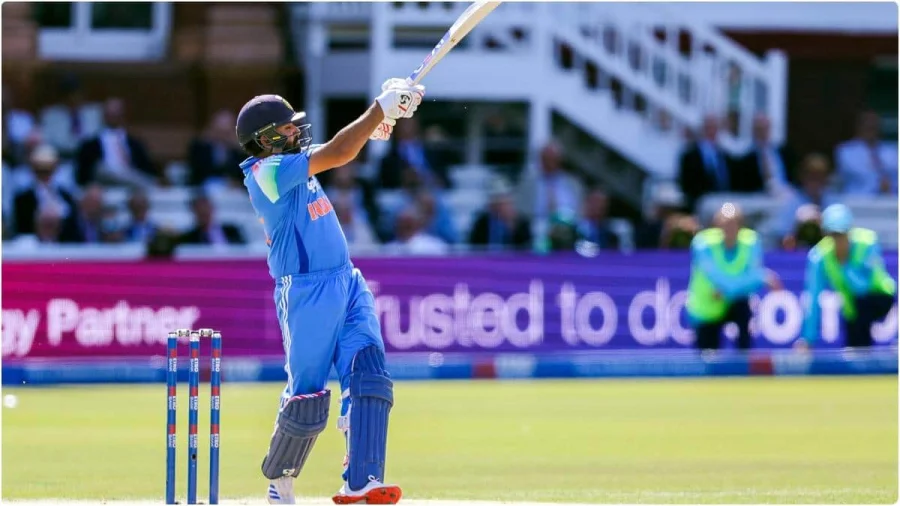
The wait for clarity on Rohit Sharma's future in India's ODI setup could finally end this month. For months, the question has hovered over Indian cricket like a slow-moving storm — is the veteran opener part of the plan for 2027, or is the transition already underway? The answer may arrive sooner than many expect.
Selectors Face a Defining Call Before West Indies ODIs
The upcoming three-match ODI series against West Indies, beginning September 27, is shaping up as the moment of reckoning. The squad announcement for that series is expected to offer the first major indication of what the BCCI selectors have decided about Rohit's place in the 50-over format.
This is not just another bilateral series. It is the opening move in a new World Cup cycle, and every selection decision now carries the weight of 2027 planning.
Why This Decision Carries Such Heavy Weight
Rohit Sharma is not an ordinary cricketer facing a routine selection question. He is the captain who led India to the 2025 Champions Trophy title and a man whose ODI record places him among the finest openers the format has seen. Dropping him — or phasing him out — is not a statistical exercise. It is a statement about the direction of Indian cricket.
For fans, this is emotional territory. Rohit's pull shots and calm captaincy have defined an era. For selectors, though, the question is colder: can he still be the anchor for a team aiming at another World Cup on home soil in 2027?
The Road to This Crossroads
Rohit's future has been one of the most discussed subjects in Indian cricket in recent months. The BCCI's latest review of the team's composition kept the debate alive, but it did not provide a definitive answer. That silence has only intensified speculation.
Now, with the West Indies series approaching, the selectors appear ready to show their hand. The squad list will reveal whether Rohit remains the first-choice opener or whether the board has decided to look ahead.
Rohit or Yashasvi Jaiswal — The Generational Question
At the heart of this decision is a name that keeps surfacing in every conversation about India's future: Yashasvi Jaiswal. The young left-hander has already made a mark in Test cricket, and his case for an ODI spot grows stronger with every passing series.
Choosing Jaiswal over Rohit would not just be a selection call. It would be a public declaration that Indian cricket is entering a new phase. But it would also mean moving on from a proven match-winner whose presence in the dressing room and at the crease carries immense value.
What the Board's Silence Really Means
The BCCI has not confirmed any timeline for a formal announcement. Yet the structure of the upcoming series — a home assignment against West Indies, followed by a longer season — makes this the natural moment for clarity.
Selectors rarely make such significant calls without a clear signal from the board. The fact that discussions have been ongoing suggests the decision is being handled with the seriousness it deserves, not rushed under media pressure.
Reading Between the Lines of the Squad Announcement
When the squad for the West Indies ODIs is announced, the message may not be explicit. If Rohit is included, it could mean he remains central to the plan. If he is rested, that could be a diplomatic way of easing him out. If Jaiswal is named alongside him, it could signal a sharing of responsibility rather than a sudden exit.
The absence of a clear statement from the BCCI means every detail of the squad list will be scrutinised. Cricket fans have learned to read these announcements like tea leaves.
What Is Confirmed vs What Remains Unclear
What is confirmed is the timeline: the West Indies series begins September 27, and the squad announcement is the expected moment of revelation. What remains unclear is the nature of the decision itself — whether Rohit will be dropped, rested, or retained with a reduced role.
There has been no official statement from Rohit, the BCCI, or the selectors about retirement or exclusion. All discussion of a specific "date" for a decision is based on the structure of the cricket calendar, not on any confirmed board announcement.
Why Rohit's Case Is Different From Other Veterans
Indian cricket has seen legendary players exit before — some gracefully, some reluctantly. Rohit's situation is unique because he is still performing at a level that makes his exclusion a genuine debate rather than an obvious call.
His captaincy record in ICC events is strong, and his ability to dominate powerplays remains intact. The argument against him is not about current form but about age, fitness, and the need to build a squad that peaks in 2027.
The Risks in Both Directions
If the selectors keep Rohit, they risk delaying the development of younger openers and entering the 2027 World Cup with an ageing core. If they drop him, they risk losing a proven leader and destabilising a dressing room that has thrived under his captaincy.
There is also the question of public sentiment. Rohit remains one of the most popular cricketers in the country. Any decision perceived as disrespectful could trigger a backlash that the BCCI would prefer to avoid.
A Pattern of Transition Across Indian Cricket
This decision does not exist in isolation. Indian cricket has been quietly managing transitions across formats — blooding new players, rotating seniors, and preparing for a future without its current stars. The Rohit question is part of a broader evolution that will eventually touch Virat Kohli, Jasprit Bumrah, and others.
How the BCCI handles this moment will set a precedent for how it manages the next wave of retirements.
What Fans and Followers Should Watch For
For fans, the key date is the squad announcement for the West Indies series. Watch not just for Rohit's name, but for how the selectors frame the squad — whether they talk about "resting" seniors or "building for the future." The language used will be as revealing as the names on the list.
For those who follow selection patterns, the composition of the squad around Rohit will matter. If several young players are included alongside him, it suggests a transition period rather than an immediate exit.
What Happens Next in This Story
The most likely scenario is that the West Indies series squad announcement brings some form of clarity. Whether that means a definitive statement from the BCCI or a selection decision that speaks for itself remains to be seen.
Until then, the speculation will continue. But the end of this particular uncertainty appears to be in sight.
Our Take
This is a decision that Indian cricket has been building toward for months, and it is easy to understand why the BCCI has moved carefully. Rohit Sharma is not just a cricketer; he is an institution in the eyes of millions. Moving on from him requires not just cricketing logic but emotional intelligence.
The selectors' real challenge is not choosing between Rohit and Jaiswal. It is finding a way to honour the past without compromising the future. The West Indies series squad will show whether they have found that balance — or whether they are still searching for it.
Frequently Asked Questions
When will BCCI decide Rohit Sharma's future?
The BCCI is expected to provide clarity this month, with the squad announcement for the West Indies ODI series — beginning September 27 — seen as the likely moment when selectors reveal their thinking on Rohit Sharma's place in the ODI setup.
Is Rohit Sharma being dropped from ODIs?
No official confirmation has been made. The selectors are weighing Rohit's experience against younger options like Yashasvi Jaiswal as they plan for the 2027 ODI World Cup. The West Indies series squad will offer the first concrete signal.
Why is Yashasvi Jaiswal mentioned as Rohit Sharma's replacement?
Jaiswal is seen as the leading young opener in Indian cricket, having already established himself in Test cricket. With the 2027 World Cup in mind, selectors are considering whether to invest in younger talent now rather than later.
Will Rohit Sharma retire from ODI cricket?
There has been no statement from Rohit or the BCCI about retirement. The current discussion is about selection and squad planning for the future, not an announced retirement decision.