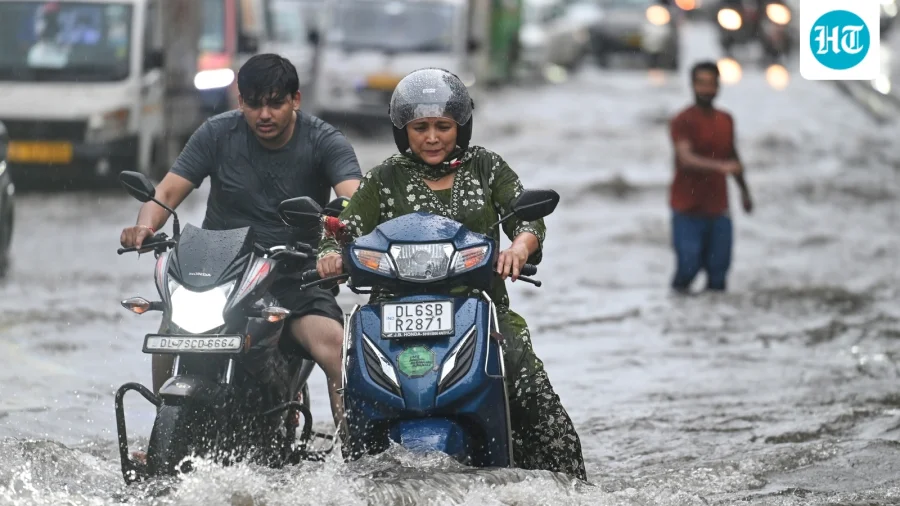
The capital has crossed a striking weather milestone — Delhi has already received its full year's average rainfall by September. And the downpour isn't done yet. The India Meteorological Department (IMD) issued a red alert for heavy rain across almost the entire city this morning, signalling more intense weather ahead.
Delhi's Rainfall Milestone: What the Data Shows
Delhi's annual average rainfall typically spans the entire monsoon season, which runs from June to September. This year, the city has matched that full-year figure by early September — a development that points to an unusually active monsoon pattern over the region.
The measurement reflects cumulative rainfall recorded across the city's weather stations. Crossing the yearly average this early in September suggests above-normal monsoon activity, though officials have not yet released the precise cumulative figure in the initial alert.
Why This Heavy Rain Alert Matters for Delhi Residents
For everyday Delhiites, the red alert translates to a very real risk of waterlogging, traffic disruption, and potential damage in low-lying areas. Commuters face a difficult day ahead, with roads likely to flood in several parts of the city.
Schools, offices, and daily routines could face interruptions. Those living in vulnerable areas — particularly near the Yamuna floodplains or in poorly drained neighbourhoods — should stay alert and avoid unnecessary travel during peak downpour hours.
IMD's Red Alert: Timing and Coverage Details
At around 10:20 am, the IMD escalated its warning to a red alert — the highest level of weather advisory — for nearly all of Delhi. The only area excluded from this warning is the westernmost part of southwest Delhi, which remains under a comparatively lower threat level.
A red alert from the IMD signals the expectation of extremely heavy rainfall that could disrupt normal life. It serves as a directive for authorities to prepare emergency response measures and for residents to exercise heightened caution.
How This September Rainfall Compares to Past Years
Delhi's monsoon behaviour has shown considerable variability in recent years. Some years bring deficit rainfall, while others witness surplus conditions that push cumulative totals past the annual average well before the season concludes.
This year's early achievement of the yearly average places 2024's monsoon among the more active seasons in recent memory. The sustained rainfall also raises questions about infrastructure readiness in a city that frequently struggles with drainage during intense downpours.
Who Faces the Greatest Impact From Today's Heavy Rain
Daily wage workers, street vendors, and those without secure shelter face the harshest consequences of today's alert. For them, heavy rain means lost income and increased hardship. Commuters relying on public transport or two-wheelers will also bear the brunt of waterlogged streets.
Residents in unauthorized colonies and areas with poor drainage infrastructure remain most vulnerable to flooding. The elderly, children, and those with medical conditions face additional risks if movement becomes necessary during the worst of the weather.
Official Advisory: What Authorities Have Communicated
The IMD's red alert serves as the primary official communication guiding today's response. Such alerts typically prompt municipal corporations to position pumps and response teams in known flood-prone locations.
While detailed statements from Delhi's disaster management authorities have not yet been released in the initial alert, standard protocol following a red alert involves increased vigilance and preparatory measures across civic agencies.
Understanding the Weather Pattern Behind This September Surge
September rainfall in Delhi often results from delayed monsoon withdrawal or active monsoon systems lingering over northwest India. This year's pattern suggests atmospheric conditions have kept moisture flowing into the region well beyond the typical peak season.
Climate scientists have noted that changing weather patterns are making extreme rainfall events more frequent across Indian cities. Delhi's early achievement of its annual average fits within this broader context of shifting monsoon behaviour.
Confirmed Facts vs What Remains Unclear
Confirmed: Delhi has received its full year's average rainfall by September. The IMD issued a red alert for almost all of Delhi at approximately 10:20 am today. The westernmost part of southwest Delhi is excluded from the red alert.
Unclear: The exact cumulative rainfall figure has not been specified in the initial alert. The duration of today's heavy rain spell remains uncertain. Whether further rainfall records will be broken before the monsoon season concludes has not been projected.
Practical Guidance for Delhi Residents Today
If you must step out, check live traffic updates and avoid known waterlogging points. Keep emergency numbers handy and postpone non-essential travel until the heaviest rainfall passes. Those in low-lying areas should monitor water levels and be prepared to move to higher ground if needed.
Parents should confirm whether schools in their area remain open. Office-goers should explore work-from-home options where possible. Keep mobile devices charged and maintain a small emergency kit with essentials like drinking water, medications, and a flashlight.
What the Coming Days Could Bring
Weather systems of this intensity often continue for 24 to 48 hours before easing. Delhi may experience intermittent heavy spells through today and possibly into tomorrow, depending on how the active monsoon system evolves.
The IMD's alerts will be updated as conditions change. Residents should rely on official channels for the latest information rather than unverified social media reports about rainfall intensity or flooding.
Our Take
Delhi crossing its annual rainfall average by September is more than a statistical curiosity — it is a stress test for the city's infrastructure and preparedness. Each such event reveals how well — or poorly — urban systems cope with extreme weather.
The red alert today demands seriousness from both authorities and citizens. While the rainfall itself reflects broader climatic patterns beyond any single city's control, the response to it remains firmly in human hands. How Delhi manages this downpour will offer lessons for the heavier weather events that climate projections suggest lie ahead.
Frequently Asked Questions
Has Delhi really received its full year's average rainfall by September?
Yes, according to the initial weather update, Delhi has recorded its complete annual average rainfall by September this year, marking an unusually active monsoon season for the capital.
What does an IMD red alert mean for Delhi?
A red alert is the highest weather warning level, indicating expected extremely heavy rainfall that could disrupt normal life, cause waterlogging, and require emergency preparedness measures.
Which parts of Delhi are under the red alert today?
Almost the entire city is under the red alert, with only the westernmost part of southwest Delhi excluded from this highest-level warning.
How should residents prepare for today's heavy rain?
Residents should avoid unnecessary travel, monitor official IMD updates, stay away from waterlogged areas, keep emergency contacts accessible, and remain cautious near low-lying zones.