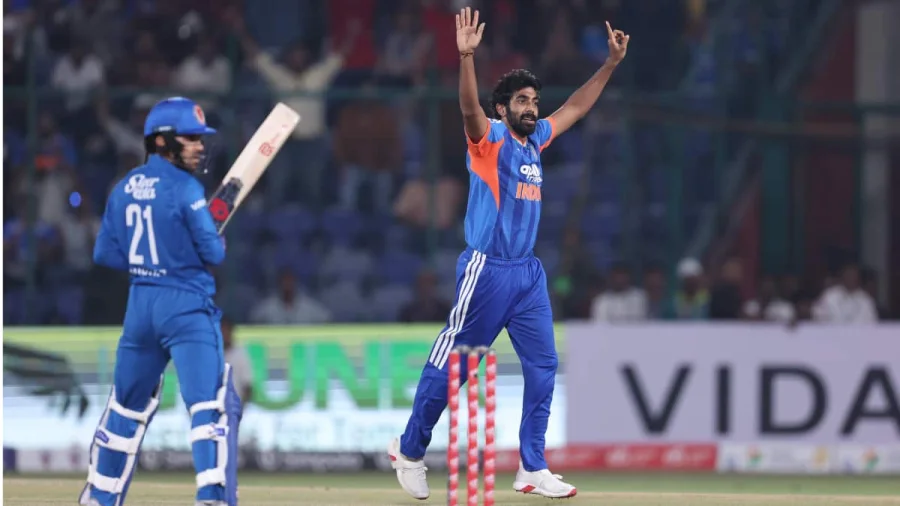
The roar of the Arun Jaitley Stadium said it all. Jasprit Bumrah, back in India's T20I blue after a much-anticipated recovery, needed just two official deliveries to remind the cricketing world exactly what they had been missing. With the new ball in hand, he dismantled Afghanistan's composure, striking a historic blow that instantly shifted the momentum of the series opener on September 13.
The Two-Ball Statement That Silenced the Doubters
India won the toss and chose to field, a decision that handed Bumrah the new ball immediately. The atmosphere was electric, charged with the anticipation of seeing the pace spearhead return to international competition. He didn't disappoint. On just his second delivery, Bumrah found the breakthrough, sending the Afghan opener back to the pavilion and sending a clear message: the injury layoff had not dulled his edge.
Why Bumrah's Early Strike Changes the Series Narrative
In T20 cricket, early wickets are currency. By removing a top-order batsman within the first over, Bumrah did more than just take a wicket; he applied a psychological chokehold on Afghanistan's batting lineup. It forced the visitors to rebuild rather than accelerate, allowing India's other bowlers to dictate terms. For a team looking to build momentum in a short series, this early breakthrough was the perfect foundation.
From Recovery Room to Record Books
The journey back to this moment was fraught with uncertainty. Bumrah's absence had left a void in India's bowling attack that was difficult to fill. His return was scrutinized by fans and experts alike, all wondering if he could recapture his lethal form. The wicket not only validated his recovery but also added a significant milestone to his already illustrious career, proving that his skill set remains world-class regardless of the format.
The Human Cost of a Fast Bowler's Comeback
For a fast bowler, the road back from injury is often lonelier than the game itself. It involves countless hours of rehabilitation, biomechanical analysis, and mental conditioning. Bumrah's immediate success is a testament to that unseen grind. It resonates with every athlete who has faced the fear of re-injury, showing that with the right support and resilience, the comeback can be even sweeter than the debut.
Team India's Strategy Backed by Execution
Captain and team management's decision to throw the new ball to Bumrah was a calculated risk that paid off instantly. It signaled a clear intent: attack from ball one. The coaching staff's faith in his fitness was rewarded with a performance that set the tone for the entire bowling unit. Afghanistan, known for their explosive batting, were suddenly forced into a shell, a direct result of this tactical masterstroke.
Confirmed Facts vs What Remains Unclear
What is confirmed is Bumrah's wicket on his second delivery and India's decision to bowl first. What remains unclear is the long-term impact of this workload on his body, and whether Afghanistan can recover from this early jolt to post a competitive total. The match is still in its early stages, and the narrative could shift, but the opening chapter belongs to Bumrah.
Risks and Balanced View: The Workload Question
While the wicket is a moment of celebration, it also raises questions about workload management. Bumrah's injury history is a concern for any team he plays for. The intensity of T20 cricket, combined with the rigors of international schedules, means his fitness must be monitored carefully. A single wicket is a great start, but sustaining this intensity without risking re-injury is the real challenge ahead for the team's medical staff.
The Wider Trend: Fast Bowlers as T20 Game-Changers
Bumrah's immediate impact highlights a growing trend in T20 cricket: the resurgence of the strike bowler. In an era dominated by batsmen, a fit and firing fast bowler remains the most valuable commodity. His ability to take wickets in the powerplay and at the death is a blueprint for modern T20 success, proving that pace and precision still trump raw power.
What This Means for Fans and the Series Ahead
For Indian fans, this is a moment of renewed hope. The sight of Bumrah celebrating is a reassurance that the team's bowling attack is back to full strength. For Afghanistan, it is a wake-up call. The series is young, but the psychological advantage India has gained from this early strike is immense. Fans should expect a more aggressive Indian bowling display in the coming matches.
Future Outlook: A Long Season Ahead
With a busy international calendar ahead, Bumrah's form will be crucial for India's ambitions in upcoming tournaments. This performance is a promising sign, but the focus will now shift to consistency. If he can maintain this level of performance without physical setbacks, India's bowling attack becomes a formidable force on any surface.
Our Take
This wasn't just a wicket; it was a statement of intent. Jasprit Bumrah's return is a reminder that in the fast-paced world of T20 cricket, a world-class bowler can be the difference between a good team and a great one. The story of his comeback is as compelling as the records he breaks, and for India, it is the perfect start to a new campaign.
Frequently Asked Questions
How many wickets did Bumrah take on his return?
Jasprit Bumrah took a wicket on just his second official delivery of the match against Afghanistan on September 13.
What was the historic feat achieved by Bumrah?
His early wicket marked a significant career milestone, adding to his legacy as one of India's premier fast bowlers in T20 internationals.
Where was the match played?
The opening T20I between India and Afghanistan took place at the Arun Jaitley Stadium in New Delhi.
Did India win the toss?
Yes, India won the toss and elected to bowl first, a decision that allowed Bumrah to immediately impact the game with the new ball.