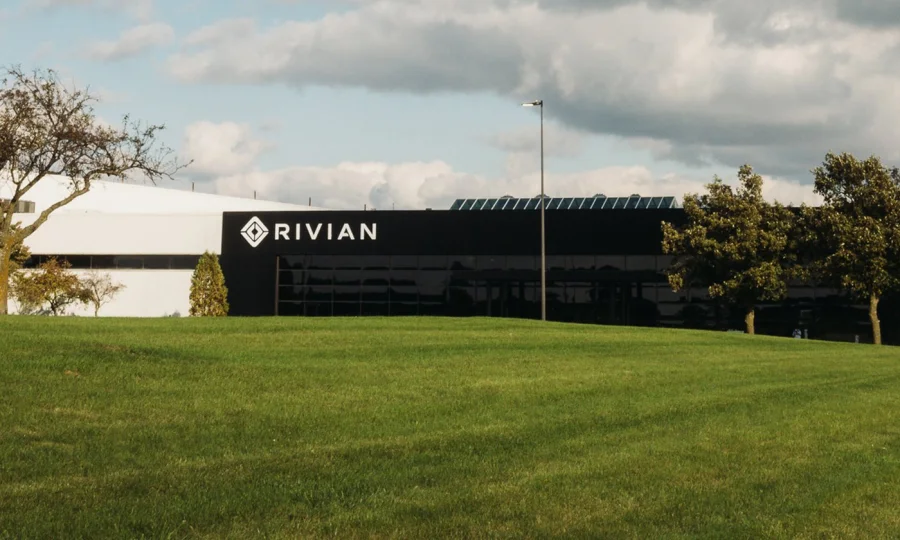
Two of America's most-watched electric vehicle startups are fighting the same battle — burning billions before turning a profit. But for investors deciding where to place a bet, Rivian and Lucid are not the same story. One sells thousands of vehicles a quarter. The other sells a fraction of that, at a much higher price.
Two EV Dreams, Two Very Different Business Models
Rivian builds electric trucks, SUVs, and delivery vans aimed at a broad, mainstream buyer. Lucid builds ultra-luxury electric sedans priced well above most household budgets. That single difference shapes everything — production volume, revenue scale, and how quickly each can climb toward profitability.
Why Scale Matters More Than Hype in EV Investing
In the auto industry, volume is survival. Every extra vehicle spread across fixed factory costs lowers the cost per unit. Rivian's broader lineup lets it chase fleet and consumer demand at once. Lucid's premium positioning earns higher margins per car but caps how many it can realistically sell.
How Both Companies Got Here
Both Rivian and Lucid went public in 2021 during a wave of EV enthusiasm, raising large sums to fund factories and R&D. Since then, rising interest rates, softer EV demand, and heavy cash burn have pressured both stocks. Neither has reached sustained profitability.
What This Means for Ordinary Investors
For a retail investor, the choice comes down to risk appetite. Rivian offers more production visibility and a larger addressable market. Lucid offers a luxury brand story but depends on a narrower buyer base. Both remain speculative, and neither pays a dividend.
What the Companies Have Said
Neither Rivian nor Lucid has issued a statement on this comparison. Both have publicly focused on cost-cutting, production efficiency, and extending their cash runway — the metrics that matter most to analysts tracking the sector.
The Deeper Read: Cash Runway Is the Real Scoreboard
Analysts typically judge EV startups on cash on hand versus quarterly burn. A longer runway buys time to reach scale. On that measure, Rivian's larger delivery base and funding history give it more room to maneuver than Lucid's niche volume.
Confirmed Facts vs What Remains Unclear
Confirmed: both firms are unprofitable, both are cash-intensive, and both target the EV market with different strategies. Unclear: when either reaches profitability, how demand evolves, and whether either needs to raise more capital.
Risks and the Balanced View
Rivian faces competition from legacy automakers and Tesla in trucks. Lucid's luxury niche could expand if its cheaper models gain traction. Both carry real risk of further dilution or volatility. This is not a safe-haven investment.
The Wider Trend: EV Startups Under Pressure
Across the sector, EV startups are being judged less on vision and more on deliveries and cash. That shift favors companies with scale — a structural tailwind for Rivian relative to Lucid.
Practical Guidance for Readers
If you're considering either stock, track quarterly deliveries, gross margin trends, and cash balances. Treat both as high-risk positions and size them accordingly. Do your own research before investing.
Future Outlook
If Rivian sustains delivery growth and controls costs, its case strengthens. If Lucid's lower-priced models gain volume, the gap could narrow. Much depends on demand and capital markets.
Our Take
On current fundamentals — scale, demand breadth, and cash position — Rivian looks like the stronger of the two. But "better" here means less risky, not safe. Both remain speculative bets on an uncertain EV future.
Frequently Asked Questions
Is Rivian a better buy than Lucid?
Based on production scale and cash position, Rivian currently appears the stronger of the two, though both are high-risk.
Why is Lucid's stock struggling?
Lucid's ultra-luxury focus limits volume, making it harder to spread fixed costs and reach profitability.
Are both Rivian and Lucid profitable?
No. Both remain unprofitable and continue to burn cash.
What should investors watch?
Quarterly deliveries, gross margins, and cash runway are the key metrics for both companies.