Four decades ago, a cartoon about toy robots did something no one expected: it killed its hero in the first act and let a generation of children watch him turn grey and die. Forty years later, no Transformers film has had the courage to do anything that bold again.
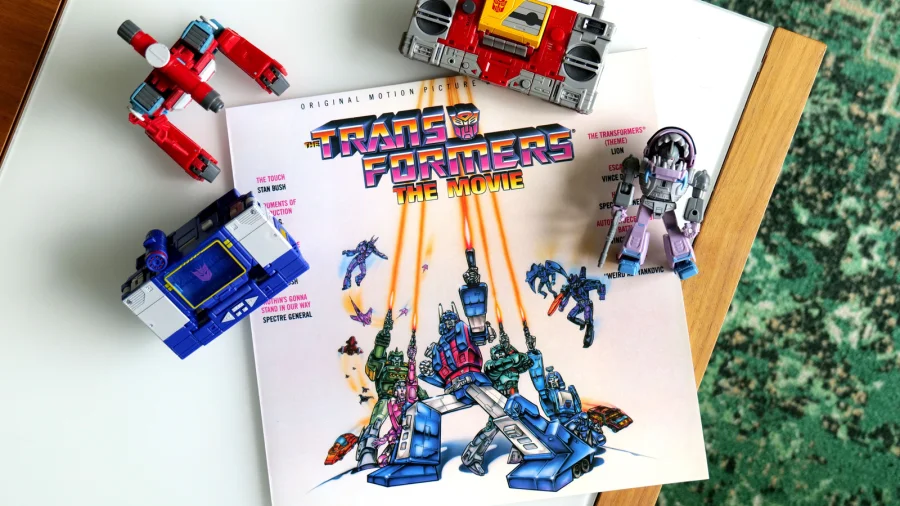
In honour of its 40th anniversary, a fresh re-review makes the case that The Transformers: The Movie (1986) is not just the best Transformers film — it isn't close.
A Children's Film That Refused to Play Safe
The 1986 film arrived between the second and third seasons of the animated series, and it did not behave like a feature-length toy commercial. It opened by wiping out most of the familiar Autobot cast, then killed Optimus Prime in a scene scored to a mournful ballad.
For audiences raised on Saturday-morning cartoons, it was a shock the franchise never fully recovered from — or matched.
Why Optimus Prime's Death Still Matters
Optimus Prime's death wasn't a cliffhanger or a fake-out. It was permanent, quiet, and treated with genuine grief. Parents reportedly wrote letters; children reportedly cried in theatres.
That emotional honesty is the film's real legacy. Later live-action entries delivered bigger explosions and louder set pieces, but rarely the same sense of loss.
How the 1986 Film Was Made
The movie was produced by Sunbow and Marvel Productions with animation work from Toei, and featured an unusually starry voice cast for its era — including Orson Welles as the planet-devouring Unicron, Leonard Nimoy as Galvatron, and Eric Idle as Wreck-Gar.
Its hand-drawn animation, synth-heavy rock soundtrack, and cosmic scale gave it a visual identity that still holds up better than many of its successors.
Who This Anniversary Actually Belongs To
For the fans who saw it in 1986, the anniversary is personal. For newer viewers discovering it through streaming, it's a history lesson in what animated storytelling could do before it was considered prestige.
Either way, the film's audience has only grown — and so has its reputation.
What the Re-Review Argues
The core argument is simple: the 1986 film understood that stakes, not scale, create meaning. It gave its characters something to lose, and then let them lose it.
That's a lesson the live-action era, for all its box-office success, has struggled to learn.
Confirmed Facts vs What Remains Unclear
Confirmed: The film was released in 1986, features the voice cast noted above, and is widely regarded as a franchise high point.
Unclear: No verified anniversary re-release, remaster, or theatrical event has been confirmed in the available material. Any such plans should be treated as speculation until officially announced.
Why the 1986 Film Still Stands Apart
Its advantage isn't nostalgia alone. It's that the film was made with a clear creative point of view — dark, operatic, and unafraid of consequence — at a time when its own studio might have preferred something safer.
That creative risk is the franchise's real moat, and no later entry has replicated it.
Risks and the Balanced View
Not everyone agrees. Some critics argue the film is uneven, its pacing rushed, and its appeal largely nostalgic. Others note that its darker tone was partly a marketing decision to retire old toys and introduce new ones.
Both views are fair. The film is not flawless — but its ambition remains rare.
The Wider Pattern in Franchise Cinema
The 1986 film sits at the start of a broader shift: animated features that treated young audiences as capable of handling real emotion. That lineage runs through later films that refused to soften their endings.
Its influence is quieter than its reputation, but it's there.
What Fans Should Do Now
If you've never seen it, watch it without the nostalgia filter and judge the storytelling on its own terms. If you have, the anniversary is a good excuse to revisit the scenes that shaped how a generation understood loss on screen.
What Comes Next
Anniversary retrospectives and fan-led discussions are likely to continue through the year. Whether the studio marks the occasion officially remains to be seen — and should not be assumed until confirmed.
Our Take
The 1986 Transformers film endures not because it was perfect, but because it was honest. It treated its audience as capable of grief, and in doing so, earned a kind of loyalty that spectacle alone can't buy. Forty years on, that's still the standard.
Frequently Asked Questions
Is The Transformers: The Movie (1986) considered the best Transformers film?
It is widely regarded as the franchise's best by critics and longtime fans, largely due to its emotional stakes and hand-drawn animation.
Why is Optimus Prime's death in the 1986 film so significant?
It was permanent and treated with real grief, which was unusual for children's animation at the time and left a lasting impact on audiences.
Who voiced characters in the 1986 Transformers movie?
The cast included Orson Welles as Unicron, Leonard Nimoy as Galvatron, and Eric Idle as Wreck-Gar, among others.
Is there an official 40th anniversary release planned?
No verified anniversary re-release or remaster has been confirmed in the available material. Any such plans should be treated as unconfirmed until officially announced.