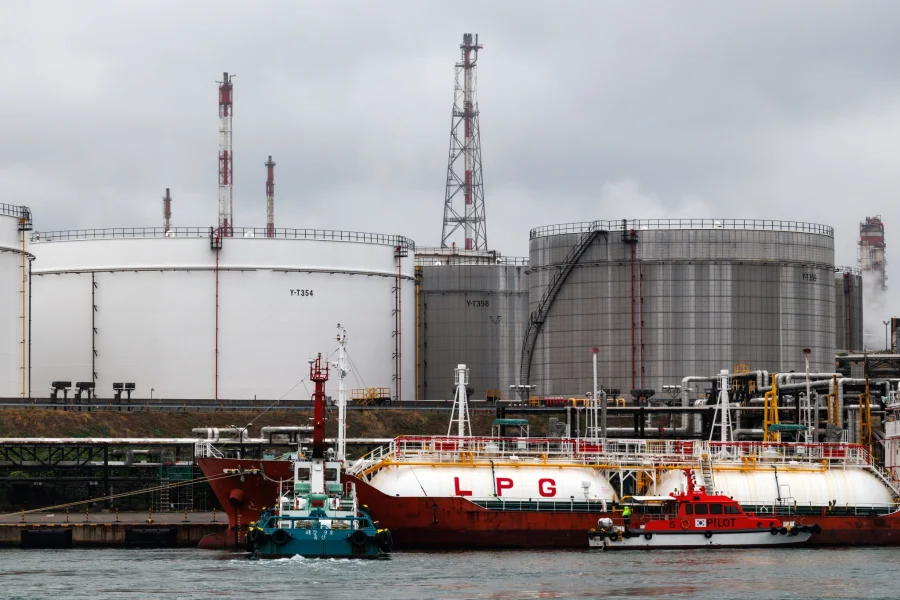
The world's most important oil passageway — a narrow 20-mile-wide stretch of water between Iran and Oman — became the flashpoint of a war that nearly choked Asia's energy supply. When the U.S. launched strikes on Iran and Tehran threatened to hit ships traversing the Strait of Hormuz, the ripple effect was immediate and severe across the continent.
A 20-Mile-Wide Chokepoint That Holds Asia's Economy Hostage
The Strait of Hormuz is not just a shipping lane; it is the lifeline for much of the Middle East's oil and gas exports. For Asian nations like India, Japan, South Korea, and China, this narrow channel is the conduit for a significant share of their crude oil imports. The threat of closure wasn't just a geopolitical risk — it was a direct threat to their power grids, transportation networks, and industrial output.
Why the Threat of Shortages Sent Asia Into Action
The moment Iran threatened to strike ships, the fear of scarcity became a self-fulfilling prophecy. Countries across Asia moved swiftly to protect their domestic supplies. Export bans were imposed to keep fuel within borders, import duties were slashed to encourage private stockpiling, and governments began rationing fuel to ensure essential services kept running. This was not a drill; it was a coordinated regional response to a potential catastrophe.
Six Months Later: The Doomsday Scenario That Didn't Happen
Six months since the onset of the war, the worst predictions — price spikes, long lines at gas stations, power outages, and grounded flights — haven't quite come to fruition. The resilience is not accidental. Increased production from other regions and hefty strategic stockpiles built up over years blunted some of the damage. The system held, but the margin for error was thinner than most governments would like to admit.
The Human Cost: How Rationing and Bans Affected Daily Life
For ordinary citizens, the crisis translated into uncertainty at the pump and anxiety about rising costs. In several Asian countries, fuel rationing meant limits on how much petrol a household could buy, disrupting daily commutes and small businesses. The export bans also created bottlenecks in supply chains, pushing up prices for goods that depend on transportation. The threat of war, even when it doesn't fully materialize, leaves a psychological and economic scar on the public.
Iran's New Revenue-Sharing Agreement: A Sign of Normalcy?
On Wednesday, Iran announced a new revenue-sharing agreement, a move that suggests some form of normality could be returning to the Strait. While the details remain sparse, the announcement is a significant diplomatic signal. It indicates that despite the earlier hostilities, there is a mutual interest in keeping the oil flowing — a recognition that a prolonged closure would be catastrophic for both the region and the global economy.
What the Crisis Revealed About Asia's Energy Vulnerability
The near-miss exposed a structural weakness: Asia's over-reliance on a single, vulnerable chokepoint. The crisis has forced governments to rethink their energy security strategies. This is not just about finding new suppliers; it's about building resilience through diversified import routes, strategic reserves, and investment in alternative energy sources. The playbook is being rewritten, but the ink is still wet.
Confirmed Facts vs What Remains Unclear
What is confirmed is that the U.S. launched strikes on Iran, and Iran threatened shipping in the Strait of Hormuz. It is also confirmed that Asian countries imposed export bans, cut duties, and rationed fuel. What remains unclear is the full scope of Iran's new revenue-sharing agreement and whether it will hold. The long-term effectiveness of Asia's new energy strategies is also unproven, as they have yet to be tested by a prolonged, real-world disruption.
Risks and the Fragile Return to Stability
The current calm is fragile. While increased production and stockpiles have helped, they are not infinite. A renewed escalation could quickly deplete reserves and send prices soaring. Critics argue that the response to the crisis was reactive rather than proactive, and that more should have been done to reduce dependence on Hormuz years ago. The risk of complacency is real; the memory of the threat may fade faster than the underlying vulnerability.
A Wider Pattern: The Global Shift Toward Energy Independence
This crisis is part of a broader global trend. Nations worldwide are realizing that energy is not just a commodity but a strategic weapon. The scramble for energy security is accelerating investments in renewables, nuclear power, and domestic production. The Strait of Hormuz crisis has become a case study in how geopolitical risk can reshape energy policy, not just in Asia, but around the world.
What Asian Governments and Citizens Should Do Now
For governments, the immediate priority is to maintain and expand strategic petroleum reserves. For citizens, the lesson is to be prepared for volatility — both in prices and supply. For businesses, diversifying energy sources and supply chains is no longer optional; it is a survival strategy. The crisis has passed, but the underlying threat has not disappeared.
Future Outlook: A New Normal for the Strait of Hormuz
The future of the Strait of Hormuz will likely be defined by a tense, managed stability. Iran's revenue-sharing agreement suggests a willingness to cooperate, but the underlying geopolitical tensions remain. Asia will continue to rely on this waterway for the foreseeable future, but with a new awareness of its fragility. The region's energy playbook is being rewritten — with resilience, not convenience, as the guiding principle.
Our Take
The Strait of Hormuz crisis was a wake-up call that the global energy system is more fragile than it appears. Asia's response — swift, coordinated, and pragmatic — averted a disaster, but it also highlighted a dangerous dependence. The real story here is not just about oil and gas; it's about the intersection of geopolitics, economics, and daily life. The region has bought itself time, but the clock is ticking on the need for a more fundamental transformation of its energy infrastructure.
Frequently Asked Questions
Why is the Strait of Hormuz so important to Asia?
The Strait of Hormuz is a narrow waterway between Iran and Oman through which a significant portion of the world's oil and gas exports pass. For Asian countries like India, China, Japan, and South Korea, it is a critical route for their crude oil imports, making it a lifeline for their economies.
What did Asian countries do when Iran threatened the Strait?
To maintain domestic supplies, Asian countries imposed export bans on fuel, cut import duties to encourage stockpiling, and started rationing fuel for consumers. These measures were designed to protect essential services and prevent panic buying.
Did the doomsday scenarios of the Hormuz crisis happen?
No, the worst predictions like severe price spikes, long lines at gas stations, and power outages did not fully materialize. This was due to increased oil production from other regions and the use of hefty strategic stockpiles that blunted the impact of the threat.
What is Iran's new revenue-sharing agreement about?
Iran announced a new revenue-sharing agreement on Wednesday, which is seen as a sign that some form of normality could be returning to the Strait of Hormuz. The specific details are sparse, but it signals a mutual interest in keeping oil flowing through the region.