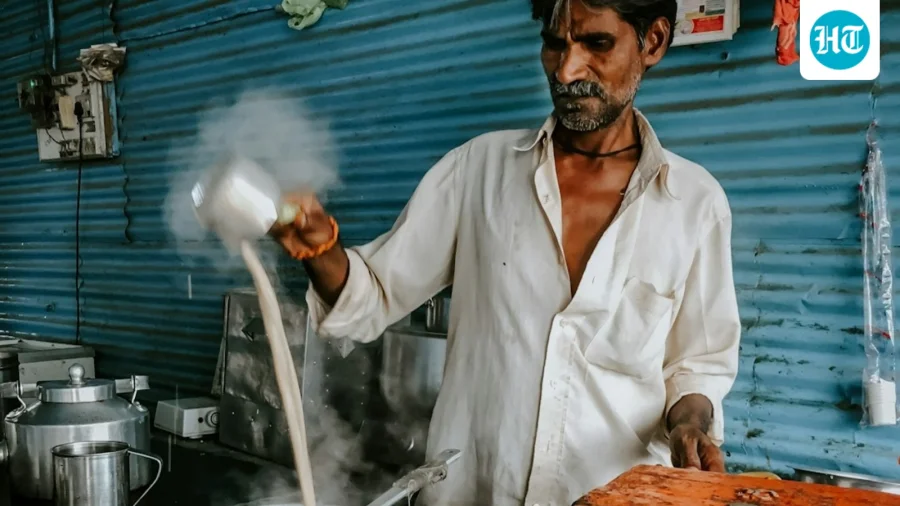
Your morning glass of milk is about to cost more. From September 1, the wholesale rate for milk across Mumbai and its adjoining metropolitan supply networks will leap from ₹93 per litre to ₹102 per litre — a sharp ₹9 increase that will ripple through household budgets and business costs across the city.
The New Price Structure: What Changes From September 1
The wholesale rate for milk across Mumbai and its adjoining metropolitan supply networks will rise to ₹102 per litre, up from the current ₹93 per litre. This ₹9 increase represents a jump of nearly 10 percent in the wholesale cost of milk.
For a household consuming two litres of milk daily, the additional cost works out to roughly ₹540 per month — a meaningful addition to already stretched monthly grocery bills.
Why This Price Revision Hits Mumbai Households Hard
Milk is not a discretionary purchase. It is a daily essential for millions of Mumbai families — consumed directly, used in tea and coffee, and essential for children's nutrition. Unlike other grocery items where consumers can switch brands or reduce quantities, milk demand remains relatively stable regardless of price.
This makes the price hike particularly significant. Households cannot easily absorb the increase by cutting consumption, which means the ₹9 per litre rise will directly impact monthly expenditure for most families in the city.
How the Price Increase Was Announced
The price revision has been confirmed for implementation starting September 1. The change applies uniformly across Mumbai and its adjoining metropolitan supply networks, meaning the impact will be felt not just within city limits but across the broader region that depends on these supply chains.
While the announcement confirms the new rate structure, specific details about the factors driving this increase — such as feed costs, transportation expenses, or procurement prices — have not been detailed in the available information.
Who Feels the Impact Most
Beyond households, the price hike will affect a wide range of businesses. Tea stalls and coffee shops that serve hundreds of cups daily will see their input costs rise. Restaurants, sweet shops, bakeries, and ice cream parlours all depend on milk as a core ingredient. For small businesses operating on thin margins, a ₹9 per litre increase could force menu price adjustments or reduced profitability.
Families with young children and elderly members who require higher milk consumption will also feel the pinch more acutely, as their daily requirement is often higher than average.
What Consumers Should Expect at Retail Counters
While the announced increase is at the wholesale level, retail prices typically follow the same trajectory. Consumers should expect to see the revised pricing reflected at their local milk booths, grocery stores, and delivery services from September 1 onward.
The exact retail markup may vary depending on the distributor and the specific milk variant — full cream, toned, or double toned — but the wholesale increase of ₹9 per litre provides a clear indication of the direction retail prices will take.
Understanding the Wholesale vs Retail Price Gap
The wholesale rate is what distributors and bulk buyers pay. Retail prices include additional margins for transportation, storage, and the retailer's profit. When wholesale rates rise by ₹9 per litre, the retail impact is often equal to or slightly higher than the wholesale increase, depending on how intermediaries adjust their margins.
For consumers, this means the effective price increase at their local milk booth could be ₹9 or potentially slightly more per litre.
Confirmed Facts vs What Remains Unclear
What is confirmed: The wholesale milk rate in Mumbai and adjoining metropolitan supply networks will rise from ₹93 to ₹102 per litre starting September 1.
What remains unclear: The specific reasons behind this price revision, whether the increase applies uniformly across all milk variants, and whether any subsequent retail-level adjustments will follow. The official justification for the hike has not been detailed in available information.
How Mumbai's Dairy Supply Network Operates
Mumbai's milk supply relies on a vast network of dairy cooperatives and private suppliers that source milk from across Maharashtra and neighbouring states. The metropolitan region's daily milk requirement is substantial, and the supply chain involves multiple stages — from procurement at village level to chilling, transportation, processing, and finally distribution to retail points.
Any increase in wholesale rates typically reflects upstream cost pressures in this chain, though the specific factors behind this particular revision remain unconfirmed.
Risks and Concerns Around the Price Hike
The immediate concern for consumers is the added financial burden. For businesses, the risk lies in whether they can pass on the increased costs without losing customers. There is also the question of whether this increase signals a broader trend — if input costs continue to rise, further price revisions could follow in the coming months.
From a consumer perspective, the lack of detailed justification for the increase may raise questions about transparency in dairy pricing. However, without official statements explaining the revision, these remain open questions rather than confirmed concerns.
Wider Pattern: Rising Food Prices in Urban India
This milk price revision comes amid a broader context of rising food and essential commodity prices across urban India. Dairy products have seen periodic price adjustments in recent years, driven by factors including feed costs, fuel prices, and supply chain dynamics. Mumbai households, already navigating overall inflation, now face an additional line-item increase in their monthly budgets.
Practical Steps for Mumbai Consumers
For households looking to manage the impact, several practical steps can help. Comparing prices across local milk booths and delivery services may reveal minor variations. Buying in bulk where storage permits could lock in current rates for a short period. For businesses, reviewing supplier contracts and exploring alternative sourcing options may provide some buffer against the increase.
Consumers should also verify the new pricing at their regular purchase points after September 1 to ensure they are not overcharged beyond the announced wholesale revision.
What Happens After September 1
Once the new rate takes effect, the immediate focus will be on how the market adjusts. Retail prices will align with the revised wholesale structure, and consumers will begin experiencing the impact on their daily purchases. Whether this triggers any broader discussion about dairy pricing policies or remains a routine adjustment will depend on how the increase is received across the city.
Our Take
A ₹9 per litre increase in milk prices is not a trivial change — it is a significant jump that will be felt in every Mumbai household that buys milk daily. While price revisions in essential commodities are not unusual, the scale of this increase warrants attention. For families already managing tight budgets, an additional ₹500 or more per month on milk alone is a real burden. For small businesses, the pressure on margins could be substantial. The lack of detailed public explanation for the revision leaves consumers with questions, but the practical reality is clear: from September 1, milk in Mumbai costs more, and households and businesses will need to adjust accordingly.
Frequently Asked Questions
When does the Mumbai milk price hike take effect?
The wholesale milk rate in Mumbai and adjoining metropolitan supply networks rises from ₹93 to ₹102 per litre starting September 1.
How much will milk prices increase in Mumbai?
The wholesale rate increases by ₹9 per litre, moving from ₹93 to ₹102 per litre. Retail prices are expected to reflect a similar increase.
Why are Mumbai milk prices rising?
The specific reasons for this price revision have not been detailed in available information. The increase is confirmed, but the official justification has not been publicly explained.
Will the milk price hike affect all milk variants?
The announcement confirms a wholesale rate increase from ₹93 to ₹102 per litre. Whether the increase applies uniformly across all milk variants has not been specified in available information.