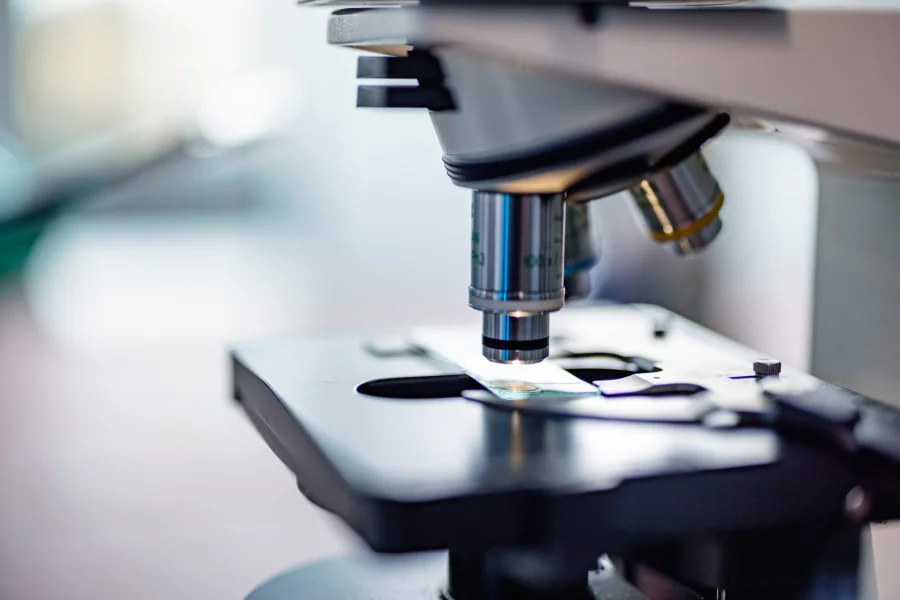
Picture a factory where robotic arms and assembly lines don't just follow pre-programmed steps but "talk" to each other in a shared digital language. Now imagine a laboratory where a microscope works through the night, autonomously hunting for a specific molecule without a single human in the room. That is the future Anthropic is betting on with its latest release.
Anthropic's First Step Into the Physical World
On Thursday, Anthropic introduced the Model Hardware Standard (MHS) as a research preview. This marks the company's first formal move into physical AI—a field focused on giving AI systems control and awareness of physical objects. MHS is essentially a technical framework that connects advanced large language models like Claude to real-world equipment, from heavy manufacturing tools to delicate scientific instruments.
The core idea is to create a universal bridge between software intelligence and hardware action. Instead of building custom AI integrations for every machine, MHS aims to provide a standardized way for LLMs to understand and operate physical devices.
Why a Shared Language for Machines Matters
For manufacturers and scientists, the promise is significant. Today, automating a single piece of equipment often requires months of custom coding and integration work. Anthropic claims MHS can compress that timeline dramatically, allowing companies to bring AI into their equipment in "hours or minutes."
If that holds true, the implications are broad. A factory could reconfigure its assembly line for a new product in days, not months. A research lab could run thousands of experiments in parallel, with AI systems monitoring results and adjusting parameters in real time. The efficiency gains could be transformative for both industries.
How the Model Hardware Standard Works
While Anthropic has not released full technical documentation, the framework appears to function as a translation layer. It likely converts the physical state of a machine—sensor readings, positions, status flags—into a format that an LLM can interpret. In turn, the model's decisions are converted back into machine commands.
This approach leverages the reasoning power of models like Claude. Rather than writing a specific algorithm for every task, MHS allows the AI to figure out the steps needed to achieve a goal, using the hardware standard as its interface to the physical world.
Who Stands to Benefit Most
The two primary audiences are clear from Anthropic's announcement. First, manufacturers with complex, varied equipment could use MHS to unify their automation efforts. Second, scientists and researchers could offload repetitive, time-intensive tasks to AI-driven instruments.
For smaller labs and factories, this could be particularly valuable. Custom automation has traditionally been a luxury reserved for large enterprises with deep engineering teams. A standardized framework could democratize access to advanced AI-driven control, allowing smaller players to compete on a more level field.
Anthropic's Position in the Physical AI Race
Anthropic is not alone in chasing physical AI. Rivals like OpenAI have invested in robotics startups, and tech giants like NVIDIA are building platforms for embodied AI. However, Anthropic's approach is distinct: rather than building its own robots, it is creating a standard that other hardware makers can adopt.
This is a strategic bet on ecosystem building. If MHS becomes widely adopted, Anthropic's Claude could become the default "brain" for a vast range of physical devices. That would create a powerful network effect, where more hardware support attracts more users, which in turn attracts more hardware makers.
Confirmed Details vs. What Remains Unclear
What is confirmed is that Anthropic released MHS as a research preview on Thursday and that it is designed to connect LLMs with physical equipment. The company's claim of integration in "hours or minutes" is also on record.
What remains unclear is the technical depth of the standard, its compatibility with existing industrial protocols, and how it handles safety-critical operations. The research preview status suggests these questions are still being worked out. Any claims about real-world performance beyond Anthropic's own statement should be treated as speculation at this stage.
The Safety Question in Physical AI
Giving AI control over physical machinery raises obvious safety concerns. A mistake in a software update is one thing; a mistake on a factory floor can cause physical damage or injury. Anthropic has built its reputation on AI safety, and MHS will test whether that focus extends to hardware control.
The company will need to address how MHS handles error conditions, emergency stops, and unpredictable physical environments. These are not trivial engineering problems, and the research preview phase suggests Anthropic is aware of the gaps that remain.
A Broader Shift Toward Embodied Intelligence
MHS is part of a wider industry trend. The AI field is moving beyond text and images toward systems that can perceive and act in the physical world. This shift, often called embodied AI, is seen by many researchers as the next major frontier after large language models.
Anthropic's move signals that even the most safety-conscious AI labs see physical AI as an inevitable and important direction. The question is no longer whether AI will control physical equipment, but how safely and efficiently that transition will happen.
What Businesses and Researchers Should Do Now
For companies interested in physical AI, the research preview is an opportunity to experiment early. Engaging with the standard now could provide valuable input into its development and position early adopters ahead of the curve.
For researchers, MHS offers a potential shortcut to automating laboratory equipment. Testing the framework on a single instrument could reveal whether it meets the precision demands of scientific work. For everyone else, this is a signal that physical AI is moving from theory to practice, and the pace of change is accelerating.
What Could Happen Next
The immediate next step is likely feedback collection. Anthropic will want to see how developers and hardware makers respond to MHS, what gaps they find, and what use cases emerge. A more polished version could follow, possibly with certified hardware partners.
Longer term, success will depend on adoption. A standard is only valuable if people use it. If major equipment manufacturers integrate MHS into their products, it could become a foundational layer of the physical AI ecosystem. If adoption stalls, it will remain an interesting experiment.
Our Take
Anthropic's entry into physical AI is a significant signal, not just for the company but for the industry. By focusing on a hardware standard rather than proprietary robots, Anthropic is playing a long game—one that could make Claude the connective tissue of the physical world.
The "hours or minutes" claim is ambitious and should be viewed with healthy skepticism until independent verification emerges. But the direction is clear. The boundary between digital intelligence and physical action is dissolving, and Anthropic intends to be at the center of that convergence.
Frequently Asked Questions
What is Anthropic's Model Hardware Standard (MHS)?
MHS is a research preview framework released by Anthropic that connects large language models like Claude to physical equipment. It is designed to allow AI to control and interact with manufacturing machinery, laboratory instruments, and other hardware using a standardized interface.
How does MHS differ from traditional automation?
Traditional automation requires custom programming for each specific task and machine. MHS aims to provide a general framework where an AI model can understand and operate various hardware without extensive custom coding, potentially reducing integration time from months to hours or minutes.
Is MHS available for commercial use?
No, MHS is currently released as a research preview. This means it is available for testing and feedback but is not yet a fully supported commercial product. Anthropic will likely refine the standard based on developer and industry input before broader release.
What are the safety implications of physical AI?
Physical AI introduces new safety challenges because errors can cause physical damage or injury. Anthropic will need to address emergency stop mechanisms, error handling, and unpredictable environments. The research preview phase suggests these safety systems are still being developed and tested.