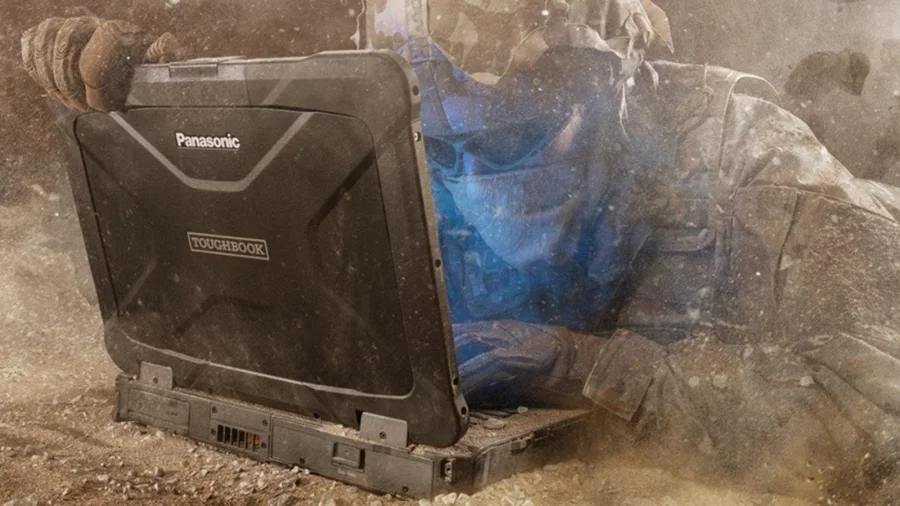
You have seen them in movies—laptops dropped from helicopters, run over by trucks, and still booting up. Yet, in the real world, you are far more likely to see a fragile-looking ultrabook at your local café than a rugged machine that could survive a fall. The gap between the promise of rugged laptops and their actual presence in consumer life is a story of market forces, design philosophy, and hard economics.
The Price Barrier: A Tough Sell for Everyday Budgets
The most immediate reason rugged laptops rarely reach consumer hands is the price. A fully rugged laptop often costs two to three times more than a standard consumer model with similar processing power. This premium is not for faster performance; it is for the engineering required to meet military standards like MIL-STD-810G. For a consumer whose main concern is browsing the web or streaming video, paying thousands of rupees or dollars extra for a feature they may never use is a difficult proposition.
Design Trade-Offs: Heavy on Durability, Light on Lifestyle
To achieve their legendary toughness, rugged laptops must make significant sacrifices. They are typically heavier, thicker, and have less impressive displays and battery life compared to sleek consumer ultrabooks. The hot-swappable batteries and external ports that appeal to field workers add bulk that clashes with the modern consumer desire for portability and minimalist design. In a market that celebrates thinness, a rugged laptop feels like a relic from a different era.
Why the Consumer Market Ignores the Tough Pitch
Marketing for rugged laptops is almost exclusively directed at enterprise and government sectors. The messaging focuses on total cost of ownership, downtime reduction, and worker safety—metrics that matter to a fleet manager, not a student or a home user. Without a compelling consumer-focused narrative that addresses everyday fears like drops or spills, the value proposition remains abstract to the general public. The average consumer does not plan for their laptop to be dropped from a forklift.
Who Actually Needs This Kind of Armor?
The primary buyers are those who work where standard electronics fail. This includes military personnel, construction site managers, utility workers, and field researchers. For these professionals, a rugged laptop is not a luxury; it is a critical tool that ensures data collection and communication continue in harsh conditions. This focused demand creates a stable but small market, which in turn keeps production volumes low and prices high, reinforcing the cycle that keeps them out of consumer retail stores.
What Manufacturers Say About Their Target Audience
Companies like Panasonic with its Toughbook line and Dell with its Latitude Rugged series openly position their products for specific industries. Their promotional materials and case studies highlight deployments in ambulances, oil rigs, and police cruisers. This clear, sector-specific focus confirms that the industry has little interest in pivoting to the mass consumer market, where margins are thinner and competition is fierce.
Analyzing the Durability Gap in Everyday Tech
While consumers don't buy fully rugged laptops, the technology has influenced the broader market. Many standard laptops now feature spill-resistant keyboards and reinforced chassis, borrowing subtle design cues from their rugged cousins. This trickle-down effect shows that durability is valued, but only to the extent that it does not compromise the core consumer desires of cost, weight, and aesthetics.
Confirmed Facts vs. What Remains Unclear
Confirmed: Rugged laptops are significantly more expensive and heavier than consumer models. Confirmed: Their primary marketing targets are industrial and government users. Unclear: Whether a hypothetical consumer-grade rugged laptop at a competitive price would find a substantial audience, as no major manufacturer has attempted this strategy.
The Business Logic Behind a Niche Market
For manufacturers, the rugged laptop market is a high-margin, low-volume business. It relies on long-term contracts with large organizations that need reliable, specialized hardware. Entering the consumer market would require a complete overhaul of supply chains, design processes, and marketing strategies to compete on price and style. The risk is high, and the potential reward is uncertain, making the status quo the safest and most profitable path.
Risks and Balanced View: The Case for Consumer Durability
Critics of the current market argue that consumers are being sold fragility. They point out that standard laptops are often glued together and difficult to repair, leading to a "throwaway culture." A more durable consumer laptop could reduce electronic waste and save users money in the long run. However, proponents of the current design argue that consumers prioritize performance and portability, and that the added weight and cost of ruggedization are not worth the trade-off for typical indoor use.
The Wider Trend of Specialized Tech
The separation between rugged and consumer laptops mirrors a broader trend in technology where devices are becoming more specialized. Just as you have gaming phones with cooling fans and cameras designed for vloggers, laptops are diverging into distinct categories. This specialization allows for better performance in specific tasks but creates a fragmented market where a "one-size-fits-all" device is becoming a thing of the past.
Practical Guidance for the Durability-Curious Buyer
If you are a consumer who values durability but cannot justify a fully rugged machine, consider a "semi-rugged" or "business-rugged" laptop. These models offer reinforced frames and spill resistance without the extreme weight and cost of fully rugged devices. Additionally, investing in a high-quality protective case and a portable SSD for backups can provide practical peace of mind for a fraction of the cost.
Future Outlook: Will Consumers Ever Go Rugged?
As materials science advances, we may see lighter and stronger materials that could make rugged laptops more appealing. However, until the price drops and the design becomes more mainstream, the rugged laptop will likely remain a specialized tool. The consumer market's love affair with thin and light devices shows no sign of ending, suggesting that the rugged laptop's place is firmly in the field, not in the coffee shop.
Our Take
The story of the rugged laptop is a classic case of purpose-built design. It is a reminder that the best tool for a job is not always the best tool for everyone. While consumers may admire the indestructible nature of these machines from afar, the practical realities of cost and design ensure they remain a niche product. The real innovation for consumers lies not in buying a tank, but in manufacturers finding smarter ways to build resilience into the devices we already love.
Frequently Asked Questions
Why are rugged laptops so expensive?
Rugged laptops are expensive because they require specialized engineering, durable materials, and rigorous testing to meet military standards. These costs are spread over a much smaller production volume compared to consumer laptops, driving the price up significantly.
Are rugged laptops good for everyday use?
While they are extremely durable, rugged laptops are generally heavier, thicker, and offer less performance per dollar than standard laptops. For typical home or office use, a standard laptop is more practical and offers a better user experience.
What does MIL-STD-810G mean for a laptop?
MIL-STD-810G is a United States military standard that outlines testing procedures for equipment to ensure it can withstand environmental conditions like shock, vibration, and extreme temperatures. A laptop with this certification has been tested to survive these stresses.
Is there a consumer-friendly alternative to a rugged laptop?
Yes, many manufacturers offer "business-rugged" or "semi-rugged" laptops that have reinforced chassis and spill-resistant keyboards. These provide extra durability without the extreme weight and cost of fully rugged models, making them a good middle-ground for consumers.