Florida drivers just got their privacy back on state highways. The state has officially banned Flock cameras — those automated license plate readers that silently log every vehicle that passes. For months, these devices had become a quiet fixture along roadways, capturing data on millions of motorists without their knowledge. That era on state roads is now over.
What the Flock Camera Ban Actually Changes
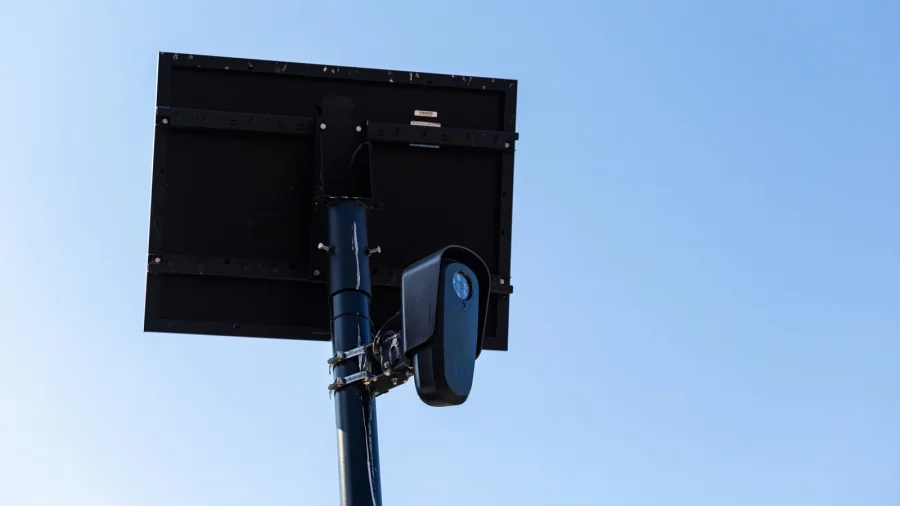
The new measure prohibits the installation and operation of automated license plate recognition systems on roads managed by the state. This means the familiar white-and-blue Flock devices that law enforcement praised as crime-solving tools will no longer watch over Florida's major highways and interstates.
Local sheriff's offices and police departments had increasingly relied on these cameras to track suspect vehicles, recover stolen cars, and solve violent crimes. The ban does not erase past data, but it halts future collection along state infrastructure.
Why Florida Lawmakers Turned Against License Plate Readers
The backlash did not emerge overnight. Privacy advocates had warned for years that these systems create a searchable database of innocent citizens' movements. Every trip to work, every school run, every late-night drive — all stored and accessible to law enforcement.
Bipartisan concern grew as reports surfaced about data sharing practices and retention periods that extended far beyond what many legislators considered acceptable. The Florida ban reflects a broader national conversation about surveillance technology outpacing legal safeguards.
The Timeline Behind the Surveillance Crackdown
Flock Safety expanded aggressively across Florida in recent years, marketing its cameras as a force multiplier for understaffed police departments. Cities and counties signed contracts, and the devices multiplied along roadsides and intersections.
As the network grew, so did scrutiny. Civil liberties organizations documented the scale of data collection and raised alarms about the lack of judicial oversight. Lawmakers began introducing measures to rein in the technology, culminating in the current state road ban.
What This Means for Florida Drivers and Privacy
For the average motorist, the ban restores a degree of anonymity on state roads. Your license plate will no longer be automatically scanned and logged simply because you drove past a camera mounted on a state highway sign.
Privacy advocates describe this as a meaningful victory, though they note that local roads and private property may still host similar devices. Drivers should understand that the ban is geographically specific rather than a complete prohibition on the technology.
Law Enforcement Response to the New Restriction
Police agencies have expressed mixed reactions. Supporters of the cameras argue they provided an invaluable investigative tool, helping solve burglaries, kidnappings, and even homicides by tracking suspect vehicles across jurisdictions.
Critics within law enforcement acknowledge the privacy concerns but worry about losing a cost-effective resource. Some departments may seek alternative surveillance methods or push for legislative adjustments that allow limited use under stricter oversight.
Analyzing the Shift in Surveillance Policy
This decision signals a turning point in how states evaluate automated surveillance. The core tension lies between public safety benefits and constitutional privacy expectations. Florida's choice to prioritize privacy on state roads suggests that lawmakers are listening to constituents who feel uncomfortable with pervasive tracking.
Legal experts note that the ban does not set a national precedent, but it adds momentum to similar efforts in other states considering restrictions on license plate reader networks.
Confirmed Facts vs What Remains Unclear
Confirmed: Flock cameras are officially banned on state roads in Florida. The ban applies to state-managed roadways and represents a formal legislative response to privacy concerns.
Unclear: The full scope of enforcement mechanisms and whether local jurisdictions will face pressure to remove existing cameras on non-state roads remains to be seen. Specific penalties for violations and the timeline for removing any existing state road devices have not been fully detailed.
Risks and Balanced View of the Camera Ban
Supporters of the ban celebrate it as a necessary check on government surveillance. They argue that innocent citizens should not have their movements tracked and stored in private corporate databases accessible to police.
Opponents worry that restricting these tools could hamper criminal investigations. Flock cameras have helped recover stolen vehicles and locate missing persons quickly. The challenge now is finding a balance that preserves privacy without sacrificing public safety.
Wider Trend: States Push Back on Automated Surveillance
Florida joins a growing list of cities and states responding to the license plate reader backlash. Communities across the country are questioning whether the convenience of automated surveillance justifies the erosion of privacy.
This movement reflects a broader skepticism toward technology that collects data on everyone, not just suspected criminals. The Florida decision may encourage other state legislatures to examine their own policies regarding Flock cameras and similar systems.
Practical Guidance for Florida Drivers
If you drive on Florida state roads, you should notice fewer automated license plate scanning devices over time. Your travel patterns on these highways will no longer be automatically logged by Flock systems.
However, remain aware that cameras may still operate on county roads, city streets, or private property. If you have concerns about surveillance in your area, contact local commissioners and ask about their policies regarding license plate reader technology.
Future Outlook for Flock Cameras in Florida
The immediate future is clear: state roads will no longer host these devices. What remains uncertain is whether the ban will expand to cover all public roads or whether law enforcement will find new ways to deploy similar technology.
Privacy advocates are likely to push for broader restrictions, while police agencies may advocate for carefully regulated exceptions. The coming months will reveal how this balance plays out in practice.
Our Take
Florida's decision marks a significant moment in the ongoing debate between security and privacy. The ban acknowledges that automated surveillance of law-abiding citizens carries real costs that must be weighed against investigative benefits.
This is not an anti-technology stance but rather a call for proportionality. Tracking every driver on every state road creates a surveillance infrastructure that outlasts any single investigation. Florida has drawn a line, and other states will be watching closely.
Frequently Asked Questions
Are Flock cameras completely banned in Florida?
No. The ban applies specifically to state roads. Flock cameras may still operate on local roads, city streets, or private property unless separate restrictions are enacted.
Why were Flock cameras banned on Florida state roads?
Lawmakers responded to privacy concerns about automated license plate readers collecting and storing data on millions of innocent drivers without judicial oversight.
Can law enforcement still use license plate data collected before the ban?
Existing data retention policies determine whether previously collected information remains accessible. The ban halts future collection on state roads but does not automatically erase historical records.
Will other states follow Florida's lead on banning Flock cameras?
Florida joins a growing movement of cities and states reconsidering automated license plate reader technology. Similar legislative efforts are emerging in other jurisdictions.