The music industry's battle against AI-generated sound has entered a new chapter. Sony Music and Universal Music Group — two of the world's largest record labels — have filed a fresh lawsuit against Suno, alleging that the AI music startup's newest v6 models were still trained on unlicensed, copyrighted music. The claim directly challenges Suno's earlier assertions that its updated technology was built on legitimate data.
A New Lawsuit, An Old Allegation
According to the original story, the labels argue that Suno found a roundabout way to train its v6 models on unlicensed music. This suggests the company may have attempted to disguise or indirectly access copyrighted recordings after facing earlier legal pressure. The lawsuit represents an escalation rather than a new dispute — Sony and UMG have been among Suno's most vocal legal opponents.
Why This Lawsuit Matters Beyond Suno
AI music generators have exploded in popularity, allowing anyone to create songs in seconds. But the technology's reliance on vast libraries of existing music has raised fundamental questions about consent, compensation, and copyright. If Sony and UMG succeed, it could force every AI music company to rethink how it sources training data — or face similar legal consequences.
How the Dispute Reached This Point
Suno has faced copyright litigation from major labels before. The earlier cases focused on whether training AI models on copyrighted songs without permission constituted infringement. Suno has previously argued that its practices fall under fair use and that its models generate new, original content. The new lawsuit specifically targets the v6 models, suggesting the labels believe Suno's newer technology did not resolve their concerns.
Who Feels the Impact First
Musicians, songwriters, and producers whose work may have been used without permission are the most directly affected. But the outcome also matters to everyday users of AI music tools — if courts rule against Suno, access to certain features or models could be restricted, and subscription costs might rise. Investors in AI music startups are watching closely, as legal risk becomes a central factor in valuation.
What the Labels Are Saying
Sony Music and UMG have consistently argued that AI companies cannot build commercial products on the backs of artists without licensing agreements. In this new filing, they reportedly claim Suno's v6 training process was designed to circumvent earlier legal boundaries. Suno has not yet issued a public response to this specific lawsuit in available sources.
The Legal Core of the Argument
At the heart of the case is a simple question: can an AI model be trained on copyrighted music without explicit permission? Suno's defence has centred on transformative use — the idea that AI-generated output is sufficiently different from the original recordings. The labels counter that the training process itself copies protected works, regardless of what the AI later produces. The v6 models are now the focal point of that argument.
Confirmed Facts vs What Remains Unclear
Confirmed: Sony Music and UMG have filed a new lawsuit against Suno. The lawsuit alleges v6 models were trained on unlicensed music. The labels claim Suno used a roundabout training method.
Unclear: The exact technical method Suno allegedly used. Whether Suno will argue fair use again. The specific damages sought. How the court will define "unlicensed training" in this context. Suno's official response to the new filing.
Suno's Position in the AI Music Market
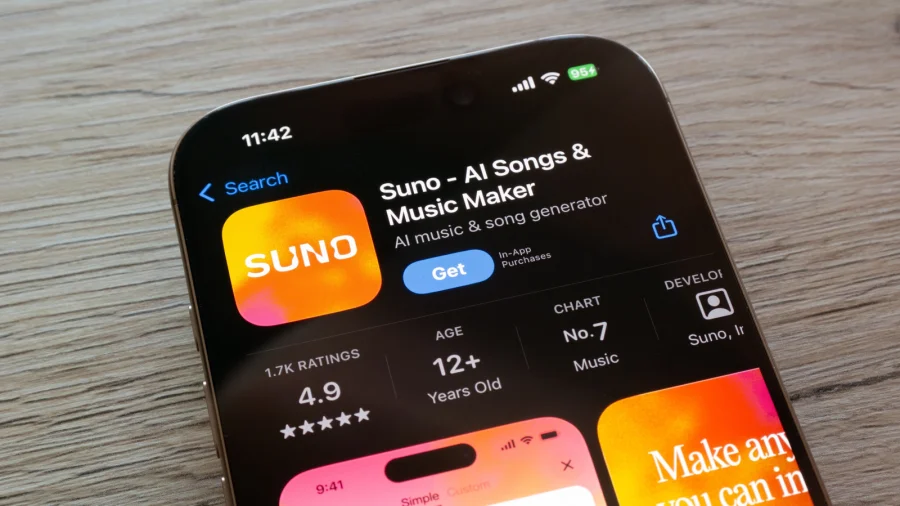
Suno has built a significant user base by making music creation accessible to non-musicians. Its models can generate vocals, instrumentation, and full songs from text prompts. That ease of use is also its legal vulnerability — the more realistic the output, the harder it becomes to argue that training did not rely on professional recordings. Suno's brand and user community give it staying power, but the lawsuit threatens its core training pipeline.
Risks and the Other Side of the Story
Suno and other AI music companies argue that their tools democratise creativity and that blocking them would stifle innovation. They contend that human musicians have always drawn inspiration from existing work. However, the labels insist that inspiration is different from wholesale copying for commercial AI training. The courts will have to weigh technological progress against established copyright protections. There is also a risk that overly strict rulings could push AI music development to jurisdictions with weaker enforcement.
A Wider Pattern of AI vs Copyright Holders
This lawsuit is part of a broader global trend. Authors, visual artists, news organisations, and musicians have all challenged AI companies over training data. The outcomes of these cases will collectively define the boundaries of generative AI. For the music industry, the Suno case is a bellwether — a test of whether existing copyright law can adapt to machine learning at scale.
What This Means for Readers
If you use Suno or similar AI music tools, be aware that access and features could change depending on legal outcomes. If you are a musician, this case may influence how your work is protected online. For investors and entrepreneurs in AI music, legal compliance is no longer optional — it is a core business requirement. Keeping an eye on court filings and licensing announcements will be essential.
What Could Happen Next
The court will likely examine Suno's training methodology for v6. If the labels' claims are substantiated, Suno could face injunctions, damages, or mandatory licensing agreements. A settlement is also possible, as seen in other AI copyright disputes. The case may take months or years to resolve, but its early rulings could set precedents for the entire AI music sector.
Our Take
This lawsuit is not just about Suno. It is about whether AI companies can treat copyrighted music as free raw material. Sony and UMG are drawing a line: newer models do not erase older obligations. Suno's defence will test how far fair use can stretch in the age of generative AI. The outcome will shape what AI music sounds like — and who gets paid for it.
Frequently Asked Questions
What is the new lawsuit against Suno about?
Sony Music and Universal Music Group allege that Suno's v6 AI models were trained on unlicensed, copyrighted music, using a roundabout method to avoid detection.
Has Suno responded to the lawsuit?
As of available sources, Suno has not issued a public response to this specific new filing.
What could happen if the labels win?
Suno could be forced to pay damages, remove or retrain its v6 models, or enter licensing agreements with music rights holders.
How does this affect everyday users of AI music tools?
If the lawsuit succeeds, some features may be restricted, subscription prices could rise, or certain models may be taken offline while the case proceeds.