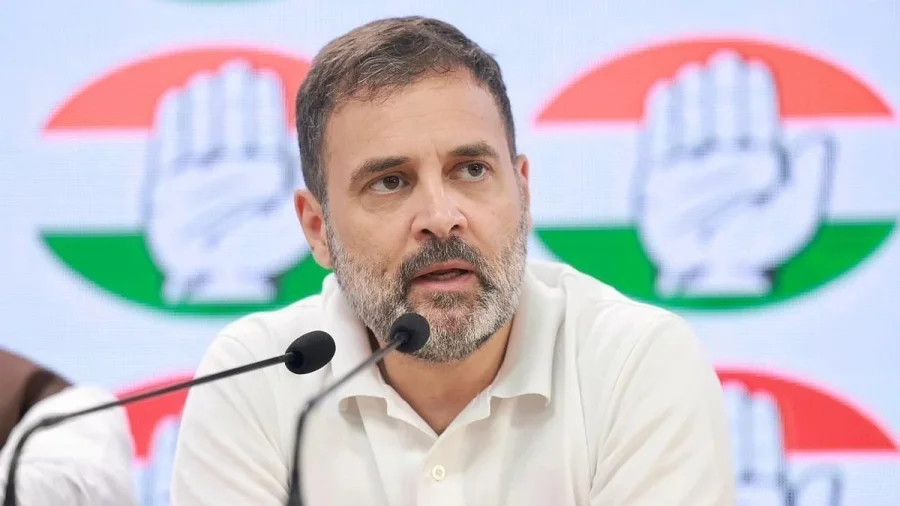
The question landed quietly in a parliamentary committee room, but its echo could reach far beyond. Rahul Gandhi, the Leader of the Opposition, asked a pointed question on Tuesday: why are private institutions being handed the task of running Sainik Schools, institutions that fall under the Ministry of Defence?
A direct question on privatisation in defence education
Sources said Gandhi, a member of the Parliamentary Standing Committee on Defence, raised the issue during a meeting on 4 August. He asked how private institutions are given the responsibility of running Sainik Schools and what reasons justify their involvement.
The subject of the meeting was a review of Sainik Schools, the Rashtriya Indian Military College (RIMC), and Rashtriya Military Schools. The discussion was part of the committee's ongoing oversight work.
Why this question matters beyond the committee room
Sainik Schools were established with a specific purpose: to prepare young Indians for entry into the armed forces. They are not ordinary schools. They carry a national security mandate.
When private institutions step into that role, questions arise about accountability, training standards, and the core ethos of these institutions. Gandhi's query taps into a broader debate about how far privatisation should go in areas traditionally managed by the state.
How Sainik Schools reached this point
Sainik Schools have operated under the Ministry of Defence for decades. Over time, some schools have seen private partnerships or management arrangements, often framed as a way to improve efficiency or expand reach.
But critics have questioned whether such arrangements dilute the military character of these institutions. The parliamentary review comes at a time when the role of private players in public institutions is under increasing scrutiny across sectors.
What this means for students and families
For parents considering Sainik Schools for their children, the debate matters. These schools are known for discipline, structured training, and a clear pathway to defence careers.
If private management changes the way these schools function, it could affect everything from fee structures to the quality of military training. Families investing in this education want clarity on who is ultimately responsible.
What the parliamentary committee is examining
The committee is reviewing the functioning of Sainik Schools, RIMC, and Rashtriya Military Schools. This is not just a routine check; it is an evaluation of how these institutions are meeting their objectives.
Gandhi's questions are part of that broader examination. Sources said he specifically sought reasons behind the involvement of private institutions, indicating a desire for transparency in decision-making.
The larger debate: public institutions and private management
This is not an isolated issue. Across education, healthcare, and infrastructure, governments have increasingly turned to private players to manage public institutions.
Supporters argue that private management brings efficiency, innovation, and better resource use. Critics warn that it can lead to profit-driven decisions that undermine public service goals. Sainik Schools now sit at the centre of that tension.
Confirmed facts vs what remains unclear
What is confirmed: Rahul Gandhi raised questions about private institutions running Sainik Schools during a parliamentary committee meeting on 4 August. The meeting's subject was a review of Sainik Schools, RIMC, and Rashtriya Military Schools.
What remains unclear: The specific private institutions involved, the extent of their role, and the committee's next steps. No official statement has been released, and the committee's findings are not yet public.
Risks and balanced view
There are two sides to this debate. Those who support private involvement argue that it can bring better management, modern infrastructure, and improved outcomes. They point to successful public-private partnerships in other sectors.
Those who oppose it worry about accountability, the dilution of military training standards, and the risk of commercial interests overriding national priorities. Both perspectives deserve consideration as the committee continues its review.
A pattern of scrutiny on defence-related institutions
The parliamentary review is part of a wider pattern. Lawmakers across parties have shown increasing interest in how defence-related institutions are managed, from procurement to education.
This scrutiny reflects a growing public demand for transparency in institutions that serve national security interests. The Sainik Schools debate is one piece of that larger picture.
What should parents and stakeholders do now
For parents considering Sainik Schools, the key is to stay informed. Watch for the committee's report and any official announcements about management changes.
For those already enrolled, the immediate impact is likely minimal. But long-term decisions about school management could affect fees, curriculum, and training quality. Staying engaged with official updates is the safest approach.
What happens next in the review process
The parliamentary committee is expected to continue its review and may eventually release a report with recommendations. Such reports often shape policy decisions.
Until then, the questions raised by Gandhi and other members will remain part of an ongoing conversation about the future of Sainik Schools. The outcome could set a precedent for how other defence-related institutions are managed.
Our Take
This is more than a political question. It is a fundamental inquiry into who should be trusted with institutions that prepare India's future military leaders. The answer will shape not just Sainik Schools, but the broader approach to defence education.
The committee's review is an opportunity to clarify standards, ensure accountability, and protect the core mission of these institutions. The public deserves a clear and transparent outcome.
Frequently Asked Questions
Why did Rahul Gandhi question private institutions running Sainik Schools?
Rahul Gandhi, as a member of the Parliamentary Standing Committee on Defence, asked how and why private institutions are given the task of running Sainik Schools under the Ministry of Defence. He sought reasons for their involvement during a committee meeting on 4 August.
What is the role of private institutions in Sainik Schools?
The exact role of private institutions in Sainik Schools is under review. The parliamentary committee is examining their involvement as part of a broader evaluation of Sainik Schools, RIMC, and Rashtriya Military Schools. Specific details have not been officially disclosed.
What was the subject of the parliamentary committee meeting?
The meeting on 4 August was a "Review of Sainik Schools, Rashtriya Indian Military College (RIMC) and Rashtriya Military Schools." Rahul Gandhi raised questions about private institutions' involvement in running Sainik Schools during this session.
Will there be changes to how Sainik Schools are managed?
No decisions have been announced. The parliamentary committee is still reviewing the functioning of these institutions. Any changes would likely follow the committee's report and official government action.