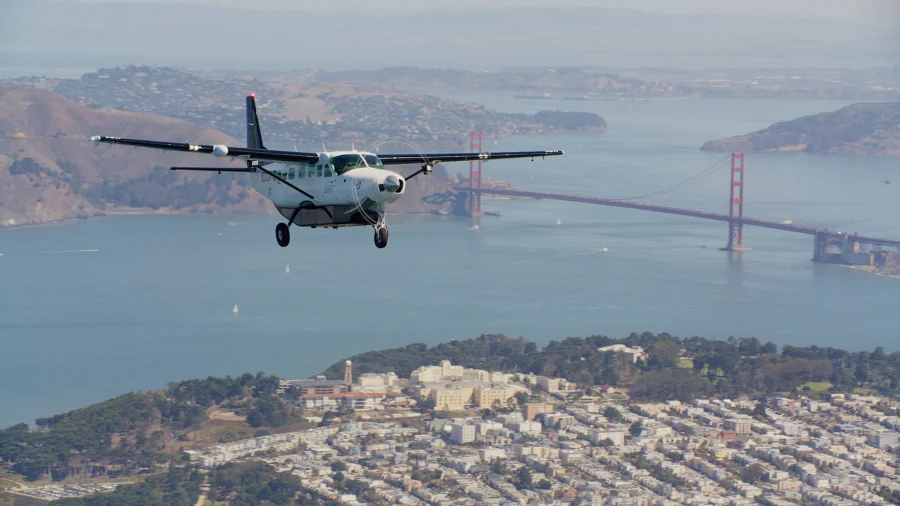
The sky over America just witnessed a quiet revolution. Joby Aviation has completed a fully autonomous flight from California to North Carolina—a distance of over 2,000 miles—without a human pilot on board. It is a milestone that could redefine how we think about regional travel.
What This Autonomous Flight Actually Means
Joby Aviation, a startup known for its electric air taxis, has pushed its technology far beyond short urban hops. The cross-country flight was fully autonomous, meaning no human intervened during the journey. This is not a remote-controlled drone; it is a full-scale electric aircraft navigating complex airspace on its own.
Why a Coast-to-Coast Autonomous Flight Matters
For years, autonomous aviation has been limited to small drones or tightly controlled test environments. A flight across the entire continental United States changes the conversation. It suggests that electric aircraft can handle long distances, varying weather, and busy air corridors without a pilot. For travellers, this could eventually mean cheaper, more frequent regional flights.
How Joby Reached This Milestone
Joby has spent years developing electric vertical takeoff and landing (eVTOL) aircraft, primarily for urban air taxi services. The company has focused on making flight quieter, cleaner, and more accessible. This autonomous coast-to-coast journey builds on that foundation, proving that the same technology can scale to much longer ranges.
Who Stands to Benefit from Pilotless Flight
Rural communities often lack direct air connections. Autonomous electric aircraft could provide affordable links to major hubs without the cost of a pilot. Additionally, cargo companies could move goods faster and more efficiently. For everyday travellers, the promise is simpler: more routes, lower fares, and less waiting.
What Joby and Regulators Are Saying
As of now, Joby Aviation has not issued a detailed public statement about the flight. Aviation regulators, including the FAA, have not commented on the specific mission. However, any autonomous flight of this scale will draw intense scrutiny from authorities focused on safety and airspace integration.
The Technology Behind the Journey
Joby's aircraft rely on electric propulsion and advanced flight control software. The autonomous system must handle takeoff, navigation, weather avoidance, and landing without human input. Completing a California-to-North Carolina route suggests the software can manage diverse conditions and long durations—a critical step toward certification.
Confirmed Facts vs What Remains Unclear
Confirmed: Joby Aviation completed a fully autonomous flight from California to North Carolina. The company is looking to expand beyond electric air taxi rides in major cities.
Unclear: The exact date of the flight, the specific route, the duration, and whether any humans were on board as passengers or observers. No independent verification has been provided yet.
Why Joby Aviation Stands Out
Joby is not the only company working on eVTOL aircraft, but its focus on autonomy and long-range capability sets it apart. Unlike competitors that rely on remote pilots, Joby is betting on full autonomy. If successful, this could create a moat: lower operating costs, higher frequency, and the ability to serve routes that are uneconomical for traditional airlines.
Risks and the Road Ahead
Autonomous flight raises serious questions about safety, liability, and public trust. A single accident could set the industry back years. Regulators will demand exhaustive testing before allowing commercial operations. Joby must also prove that its aircraft can handle emergencies—bird strikes, system failures, severe weather—without a human pilot.
A Broader Shift Toward Pilotless Aviation
This flight is part of a larger trend. From cargo drones to autonomous helicopters, aviation is slowly removing humans from the cockpit. The military has used autonomous systems for years. Now, the commercial sector is catching up. Joby's achievement could accelerate that shift, forcing regulators and the public to confront a future where pilots are optional.
What Readers Should Take Away
If you live in a rural area or a city with limited air service, autonomous electric aircraft could one day change your travel options. For now, treat this as a promising experiment, not an imminent service. Investors should watch for regulatory approvals and further test flights. Students in aviation and robotics should note that autonomy is becoming a core skill.
What Could Happen Next
Joby is likely to conduct more long-distance autonomous flights, possibly with cargo or under FAA supervision. The company may also seek partnerships with airlines or logistics firms. Full commercial passenger service is still years away, but the path is becoming clearer.
Our Take
Joby's coast-to-coast autonomous flight is more than a technical stunt. It is a signal that electric aviation is growing up. The company is not just building air taxis; it is building the infrastructure for a pilotless future. That future is not guaranteed—regulations, safety, and economics will decide. But for the first time, it feels within reach.
Frequently Asked Questions
Did Joby Aviation really fly from California to North Carolina autonomously?
Yes, according to the original story, Joby Aviation completed a fully autonomous flight from California to North Carolina. No independent confirmation is available yet.
Was there a pilot on board?
The flight was described as fully autonomous, meaning no human pilot was controlling the aircraft. It is unclear if any observers were on board.
What does this mean for future air travel?
It suggests that electric aircraft could eventually handle long-distance routes without pilots, potentially lowering costs and expanding service to underserved areas.
Is this technology safe?
Autonomous aviation is still in testing. Regulators like the FAA will require extensive proof of safety before any commercial use. No safety record has been established for this specific flight.