For millions of workers, July 2026 has become a month of impossible choices: brave sweltering heat, navigate World Cup traffic jams, or pay a small fortune at the petrol pump. Stanford economist Nicholas Bloom says the answer is increasingly clear — stay home and work remotely.
The perfect storm driving a remote work summer
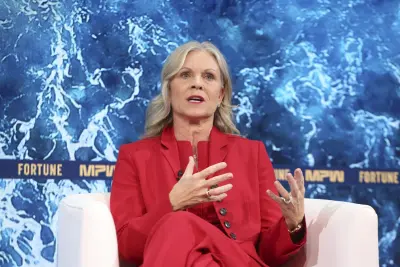
Bloom, who has studied remote work for two decades and helped define the Great Resignation era, told Fortune that the combination of World Cup matches, punishing heat waves across multiple regions, and higher gasoline prices — partly linked to the Iran conflict — has created an unprecedented push toward remote work. “This summer is the perfect example of remote work’s advantages,” Bloom said.
Why this July is different from previous summers
Unlike past years where return-to-office mandates dominated headlines, July 2026 is showing that real-world pressures can override corporate policy. Employees are voting with their feet — or rather, by not commuting. The flexibility to avoid packed trains, overheated offices, and expensive fuel is proving more powerful than any CEO memo.
How World Cup chaos and heat waves reshaped office attendance
The World Cup has disrupted urban transport and created unpredictable schedules. Combined with record-breaking heat waves that make commuting physically draining, many workers are finding the office less appealing. Bloom notes that these aren’t temporary excuses — they are structural reasons that reinforce the case for hybrid work.
Who is most affected by this shift
Office workers in major cities with long commutes are feeling the pinch hardest. Those in sectors like tech, finance, and professional services — where remote work is feasible — are most likely to exercise this flexibility. Lower-income workers with less flexible jobs remain disproportionately tied to physical attendance, widening the remote work divide.
What Stanford’s Nicholas Bloom says about the future of the office
Bloom has long argued that hybrid work — not fully remote or fully in-office — is the sustainable model. He points to data showing productivity gains and employee satisfaction when workers have autonomy. “Many companies are never going back to being fully in-office,” Bloom said, emphasizing that flexibility is now a competitive advantage for hiring and retention.
Why this summer matters for the return-to-office debate
High-profile RTO mandates from Amazon and JPMorgan Chase made headlines, but Bloom’s analysis suggests they are outliers. The broader trend, accelerated by July’s conditions, is toward hybrid arrangements. Companies that resist may face talent drain, especially as workers recalibrate what they expect from an employer.
Confirmed facts vs what remains unclear
Confirmed: Bloom’s statements about World Cup, heat waves, and gas prices driving remote work are sourced from his interview with Fortune. The Iran conflict’s impact on fuel prices is reported but not independently verified for this article. Unclear: The exact percentage of companies shifting policy this July, and whether the trend will persist after summer ends. Bloom’s predictions are expert analysis, not guaranteed outcomes.
What this means for companies and workers
For employers, the message is clear: rigid office mandates may backfire in a world where external factors — from weather to global events — make commuting unpredictable. For workers, this summer offers leverage to negotiate flexible arrangements. The key is finding a balance that works for both sides.
Risks and balanced view
Critics argue that remote work can reduce collaboration, mentorship, and company culture. Some studies show productivity dips in fully remote settings. Bloom himself advocates for hybrid models — typically three days in-office — rather than full remote. The risk is that companies overcorrect, either by forcing attendance or by abandoning the office entirely.
The wider trend: Hybrid work as the new normal
Bloom’s research aligns with broader data showing that hybrid work is stabilizing at around 2-3 days per week in-office for many knowledge workers. This summer’s events are not a revolution but an acceleration of a trend that has been building since 2020. The pandemic normalized remote work; 2026 is normalizing its permanence.
Practical guidance for workers and managers
Workers should document their productivity and communicate clearly with managers about flexible needs. Managers should focus on output rather than presence, and invest in tools that support hybrid collaboration. For those facing extreme heat or commute costs, a temporary remote arrangement may be a reasonable request.
Future outlook: Will the remote work summer last?
Bloom suggests that while July’s specific conditions are seasonal, the underlying shift is permanent. As climate change makes heat waves more frequent and global events continue to disrupt travel, remote work will become an essential tool for business continuity. Companies that adapt will thrive; those that don’t may struggle.
Our Take
This summer is a stress test for the future of work — and remote work is passing. Bloom’s analysis cuts through the noise of RTO mandates to show what’s really happening on the ground. The story isn’t about CEOs vs employees; it’s about reality vs policy. When commuting becomes a burden, flexibility wins. The smartest companies are listening.
Frequently Asked Questions
Is remote work really increasing this July?
According to Stanford economist Nicholas Bloom, yes. He cites World Cup disruptions, heat waves, and higher gas prices as key drivers pushing more employees to work from home in July 2026.
What did Nicholas Bloom say about return-to-office mandates?
Bloom said that despite mandates from companies like Amazon and JPMorgan Chase, many firms are never going fully in-office again. He argues hybrid work is the sustainable long-term model.
How do World Cup matches affect remote work?
World Cup matches cause travel chaos, disrupt public transport, and create unpredictable schedules, making commuting to an office less appealing and remote work more practical.
Will remote work continue after summer ends?
Bloom believes the trend is permanent. While July’s specific conditions are seasonal, the broader shift toward hybrid work is structural and will persist beyond summer.