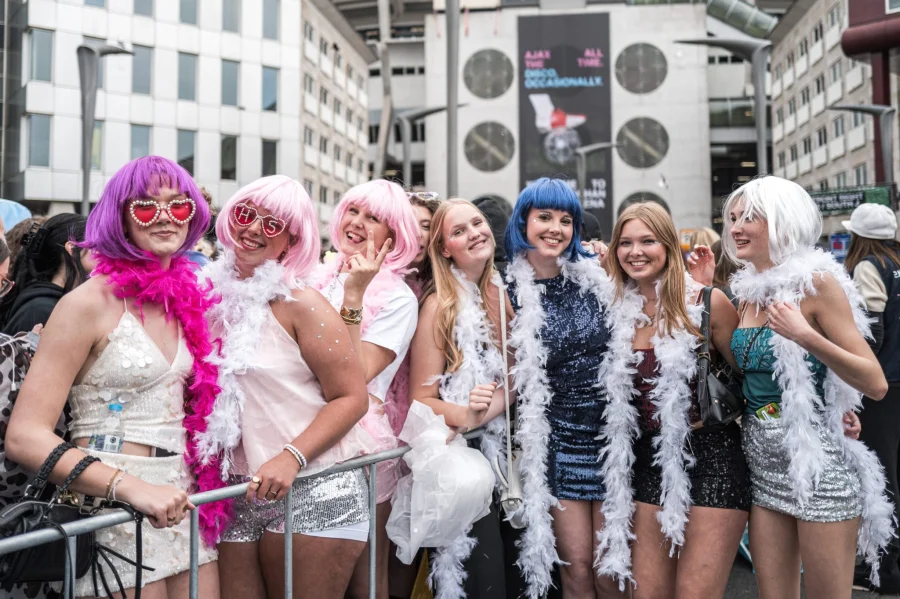
When Harry Styles announced his Together Together tour would make Amsterdam its only mainland European stop, fans didn’t just book tickets — they booked entire city economies into overdrive. The result? A 21% surge in Dutch hotel prices in May, adding 0.4 percentage points to the country’s monthly inflation rate, according to Dutch central bankers. For one Gen Zer, that meant paying $1,000 for a room so small it’s described as a ‘box’.
How a 10-day concert residency reshaped Amsterdam’s hotel market
Between May 16 and June 5, 2026, Styles performed a 10-day residency in Amsterdam — the only mainland European stop on his tour. The concentrated demand sent thousands of Gen Z and Millennial fans from across Europe and even the United States rushing to the Dutch capital. Hotels, already operating at high occupancy, responded by raising prices sharply.
According to data cited by Dutch central bankers, hotel prices in the Netherlands jumped 21% on average in May alone. That single category contributed 0.4 percentage points to the country’s monthly inflation rate — more than half the total increase from April. For context, inflation across the US and Europe has remained stubbornly elevated due to energy costs and geopolitical tensions, but here, the culprit was pop culture.
The $1,000 box room: Gen Z spending meets extreme demand
One Gen Zer reportedly paid $1,000 for a tiny ‘box’ hotel room — a compact, no-frills accommodation typically aimed at budget travelers. The anecdote, shared by fans on social media and picked up by news outlets, illustrates the lengths to which concertgoers went to secure a bed near the venue. With standard hotel rooms selling out weeks in advance, even the most basic options commanded premium prices.
For many young fans, the trip was a once-in-a-lifetime experience. But the financial toll was real: flights, tickets, overpriced accommodation, and daily expenses added up quickly. “I knew it would be expensive, but I didn’t expect to pay that much for a room without a window,” one fan told a Dutch news outlet.
Why central bankers flagged a pop concert as an inflation driver
Dutch central bankers typically focus on energy prices, wage growth, and housing costs when analyzing inflation. But the May data forced them to look at an unusual variable: concert tourism. The Styles residency created a demand shock that was both concentrated and temporary — but large enough to move the national inflation needle.
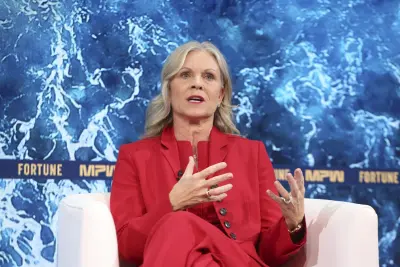
“This is a textbook example of how demand-side shocks from major events can distort short-term inflation readings,” said an economist quoted by Fortune. “It doesn’t change the underlying trend, but it does complicate month-to-month analysis.” The 0.4 percentage point contribution was more than half the total inflation increase from April, making it a statistically significant factor.
Who paid the price: fans, locals, and the broader economy
The impact wasn’t limited to concertgoers. Amsterdam residents faced higher hotel prices for business trips or family visits. Restaurants, bars, and transport services saw a surge in demand, but also faced staffing and supply pressures. For locals, the city felt transformed — crowded streets, longer queues, and a palpable energy that was both exciting and exhausting.
For the Dutch economy, the residency was a double-edged sword. On one hand, it brought millions in tourism revenue. On the other, it contributed to inflation at a time when central banks across Europe were struggling to bring prices under control. The European Central Bank, which has been raising interest rates to combat inflation, now had to account for a pop star’s tour schedule in its data.
What Dutch officials and economists are saying
Dutch central bankers have not issued a formal statement specifically blaming Styles, but the data speaks for itself. In internal briefings, officials noted that the hotel price surge was “unusual” and “concentrated in May,” coinciding with the residency. Economists have pointed out that such event-driven inflation is typically temporary — prices are expected to normalize in June.
“This is a reminder that inflation isn’t just about macro forces,” said a senior economist at a Dutch research institute. “It can be driven by micro events — a single concert, a sports final, a festival. Policymakers need to be aware of these distortions.”
Confirmed facts vs what remains unclear
Confirmed: Hotel prices in the Netherlands rose 21% in May 2026. The increase contributed 0.4 percentage points to monthly inflation. The Harry Styles Together Together tour held a 10-day residency in Amsterdam during that period. One fan paid $1,000 for a box hotel room.
Unclear: The exact breakdown of how much of the hotel price surge was directly attributable to Styles fans versus other factors (e.g., general spring tourism, business travel). Whether the inflation impact will fully reverse in June. The specific identity of the fan who paid $1,000 for the box room.
The residency model: why it creates demand shocks
Harry Styles’ Together Together tour used a ‘residency strategy’ — 68 dates across just 8 venues in 6 countries. This concentrated demand in specific cities for extended periods, unlike traditional tours that spread dates across many locations. For hotels, this means a structural demand event rather than a one-night spike.
Amsterdam was the only mainland European stop, making it a magnet for fans from Germany, France, Belgium, and beyond. The city’s hotel infrastructure, while robust, was not designed for such a concentrated influx of international visitors over 10 days. The result was a classic supply-demand mismatch.
Risks and concerns: inflation distortion and fan financial strain
While the inflation impact is temporary, it raises concerns about how event-driven price spikes are measured and communicated. Critics argue that central banks should adjust for such one-off events to avoid misleading signals. Others worry about the financial burden on young fans who may take on debt to attend such events.
“There’s a darker side to this story,” said a consumer advocate. “Young people are spending thousands on concerts they can’t really afford. The $1,000 box room is a symptom of a larger trend — experience inflation.”
Wider trend: concert tourism as an economic force
The Styles residency is part of a broader pattern. Major artists like Taylor Swift, Beyoncé, and Ed Sheeran have all generated similar demand spikes in host cities. Swift’s Eras Tour, for example, caused hotel price surges in multiple US and international cities. What’s different here is the scale of the inflation impact — large enough to register in national statistics.
Economists are now studying whether residency-style tours create more pronounced economic effects than traditional tours. The concentration of demand in a single city for an extended period appears to amplify price pressures, especially in accommodation.
What travelers and fans should know
For fans planning to attend similar residency events in the future, experts recommend booking accommodation as early as possible — ideally before tickets go on sale. Consider alternative lodging options like hostels, apartments, or staying in nearby cities with train connections. Set a budget and stick to it, even if FOMO (fear of missing out) is strong.
For travelers visiting Amsterdam during major events, be prepared for higher prices and limited availability. Check if your hotel has a cancellation policy that allows you to rebook if prices drop. Consider travel insurance that covers event-related disruptions.
What happens next: June data and long-term implications
Dutch inflation data for June 2026 is expected to show a normalization of hotel prices, as the Styles residency ended on June 5. However, the broader question remains: will central banks start factoring in event-driven inflation when setting interest rates? Some economists argue they should, while others say the effects are too temporary to matter.
For Harry Styles fans, the memories of Amsterdam will last a lifetime — even if their bank accounts are still recovering. For Dutch policymakers, the episode is a reminder that in a globalized, experience-driven economy, even a pop star can move the inflation needle.
Our Take
The Harry Styles Amsterdam inflation story is more than a quirky headline — it’s a window into how the modern economy works. In an era where experiences are prized over possessions, major cultural events can create real, measurable economic shocks. The $1,000 box room is a symbol of a generation willing to pay almost anything for a moment of connection and joy. But it also raises uncomfortable questions about financial vulnerability, inflation measurement, and the power of celebrity to distort markets. The Dutch central bankers were right to flag this — not because it changes monetary policy, but because it reminds us that inflation is never just about numbers. It’s about people, their choices, and the world they live in.
Frequently Asked Questions
Did Harry Styles really cause inflation in the Netherlands?
Yes, indirectly. His 10-day Amsterdam residency drove hotel prices up 21% in May 2026, which added 0.4 percentage points to the country’s monthly inflation rate. Dutch central bankers identified the concert as a contributing factor.
How much did fans pay for hotel rooms during the residency?
Prices varied widely, but one Gen Z fan reportedly paid $1,000 for a tiny ‘box’ hotel room — a compact, no-frills accommodation. Average hotel prices in the Netherlands rose 21% during May.
Will hotel prices go back down now that the residency is over?
Economists expect hotel prices to normalize in June 2026, as the demand shock was temporary. However, some lingering effects may persist if fans extended their stays or if other events filled the gap.
Should central banks adjust inflation data for events like concerts?
Some economists argue yes, to avoid misleading signals. Others say the effects are too temporary to matter. The debate highlights the challenge of measuring inflation in an experience-driven economy.