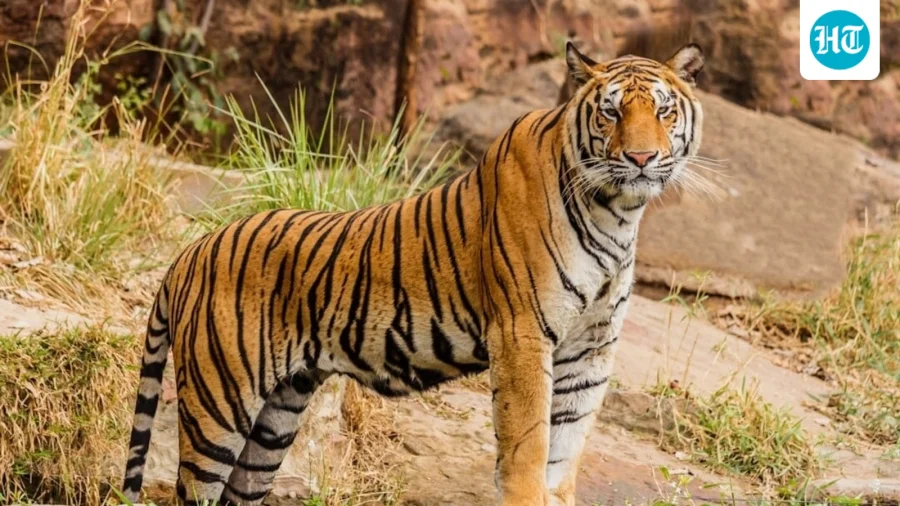
The Andhra Pradesh forest department is on high alert. A male Royal Bengal tiger, identified as Explorer, has been moving through the Godavari region for nearly six months, and the search to track it has now been intensified. For villagers living close to forest fringes, the big cat's presence is no longer just a matter of curiosity — it has become a daily concern as livestock attacks continue to be reported.
Why the Tiger ‘Explorer’ Has Drawn Attention Across Andhra
Explorer is not a resident of Andhra Pradesh. The tiger is believed to have wandered into the state from a neighbouring region, making its long-distance movement unusual and difficult to predict. Forest officials have named the animal to distinguish it from other wildlife sightings, and its six-month presence in the Godavari belt has kept tracking teams on edge.
For local communities, the tiger's movement has translated into a direct threat to their livelihoods. Cattle and other livestock form the backbone of rural income in many of these villages, and repeated attacks have left families worried about their animals and their own safety.
How the Forest Department Is Tracking the Elusive Big Cat
Tracking a tiger that avoids human contact is a complex operation. Forest teams have been using a combination of pugmark analysis, camera traps, and ground patrols to trace Explorer's path. The dense vegetation of the Godavari region provides ample cover, making visual confirmation rare and challenging.
Officials have also been coordinating with local police and village representatives to spread awareness. Residents have been advised to avoid venturing into forest areas alone, especially during early morning and evening hours when the tiger is most active.
Six Months of Roaming: A Timeline of Concern in the Godavari Belt
Explorer's presence first came to notice when livestock began disappearing from villages near the forest boundary. Over the following months, sightings were reported at different points across the region, suggesting the tiger was covering significant ground. Each new report has prompted fresh search efforts, but the animal has consistently managed to evade capture.
The prolonged duration of the tiger's stay has raised questions among wildlife experts about its behaviour. While tigers typically establish territories, a young male on the move may be searching for new ground or avoiding competition from other tigers.
Livestock Attacks and the Human Cost for Rural Families
For families that depend on a single cow or a pair of buffaloes, losing an animal to a tiger attack is a severe financial blow. Compensation procedures exist, but the process can be slow, and the emotional distress of losing livestock is not easily measured. Villagers have reported feeling anxious about sending children to school or women to collect firewood in areas close to the forest.
The forest department has urged calm while assuring residents that all possible measures are being taken. However, the longer Explorer remains untraced, the more strained the relationship between wildlife conservation and community safety becomes.
Official Response: What Forest Authorities Have Said So Far
Forest officials have confirmed that search operations have been intensified in response to the livestock attacks. Teams have been instructed to prioritise locating the tiger while ensuring minimal disturbance to its natural behaviour. Officials have also stated that the safety of villagers remains a top priority, and any decision regarding the tiger's capture or relocation will be made only after careful assessment.
No official statement has yet indicated a timeline for when the search might conclude, and authorities have not confirmed whether tranquilisation or relocation is being considered as an option.
Why a Wandering Tiger Is Difficult to Contain
Unlike elephants, which can often be guided back to forest reserves, a tiger on the move presents unique challenges. Tigers are solitary, highly territorial, and capable of travelling long distances undetected. The Godavari region's mix of farmland, riverine forest, and hilly terrain offers the animal multiple routes to evade tracking teams.
Wildlife experts note that a male tiger roaming outside its known habitat may be responding to pressure from other tigers or searching for prey. Without a clear pattern, predicting its next move becomes nearly impossible.
Confirmed Facts vs What Remains Unclear
What is confirmed is that a male Royal Bengal tiger named Explorer has been present in the Godavari region for six months and that livestock attacks have been reported. Forest department search efforts have been intensified.
What remains unclear is the tiger's exact current location, the total number of livestock attacks attributed to it, and what steps authorities will take once the animal is located. No information has been released about whether the tiger has been involved in any human injury, and such claims should not be assumed.
Risks and the Balancing Act Between Conservation and Safety
Wildlife conservation laws in India protect tigers under the Wildlife Protection Act, meaning any action taken must be legally and ethically justified. While villagers may demand immediate action, authorities must weigh the tiger's protected status against public safety concerns.
There is also the risk that prolonged human presence in the search area could push the tiger into more populated zones. Experts caution that panic or uncoordinated action could worsen the situation rather than resolve it.
A Wider Pattern: Tigers Moving Beyond Forest Boundaries
Explorer's case is not isolated. Across India, increasing tiger populations and shrinking habitat corridors have led to more frequent sightings of tigers in human-dominated landscapes. This trend highlights the growing challenge of coexistence between wildlife and expanding rural settlements.
The situation in Andhra Pradesh may serve as a reminder that conservation success brings its own set of management challenges, particularly in regions not traditionally known as tiger habitats.
What Should Villagers and Local Residents Do Now
Residents living near forest areas should remain vigilant and follow forest department advisories. Livestock should be kept in secure enclosures at night, and movement through dense forest patches should be avoided during low-light hours. Any sighting of the tiger should be reported immediately to local forest officials rather than approached.
Villagers are also advised to avoid spreading unverified information on social media, as rumours can create unnecessary panic and hinder official operations.
What Happens Next in the Search for Explorer
The immediate priority for forest teams is to locate the tiger and assess its condition. Depending on the animal's behaviour and location, authorities may choose to continue monitoring, attempt to guide it back to a suitable habitat, or consider capture and relocation with expert assistance.
Until then, the search continues, and the Godavari region remains on alert.
Our Take
The story of Explorer is more than a wildlife chase. It reflects the real-world friction between India's conservation achievements and the everyday realities of rural communities. While the tiger's presence is a sign of ecological health, the burden of that presence is being felt by families who can least afford it. A transparent, community-aware response from authorities will be essential in ensuring that both the tiger and the people sharing its landscape are protected.
Frequently Asked Questions
Where is the tiger Explorer currently located?
The exact location of the tiger has not been confirmed. Forest department teams are actively tracking its movement in the Godavari region of Andhra Pradesh, but the animal has remained elusive.
Has the tiger attacked any humans?
There is no confirmed information about any human injury caused by the tiger. The reported incidents so far have involved livestock attacks.
What should villagers do if they spot the tiger?
Villagers should immediately inform the local forest department and avoid approaching the animal. Keeping a safe distance and securing livestock are the recommended precautions.
Why has the tiger been named Explorer?
Forest officials named the tiger Explorer to identify it in tracking records and distinguish it from other wildlife sightings in the region.