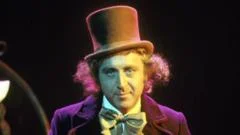
The voice of Willy Wonka has returned — but not from the man who made it iconic. Netflix's new competition series, "Wonka's Golden Ticket," has ignited a firestorm of criticism after it was revealed that the show uses an AI-generated recreation of Gene Wilder's voice. The late actor, who died in 2016, is being digitally resurrected to narrate and guide contestants through a chocolate factory-themed challenge. For many, the move feels less like a tribute and more like a violation.
The AI voice that broke the internet's trust
News of the AI-generated voice first broke through reports from outlets like Euronews and The Independent, which confirmed that Netflix had used artificial intelligence to replicate Wilder's distinctive, whimsical tone. The streamer has the permission of Wilder's estate, but that has done little to quell the outrage. Fans argue that no amount of legal clearance can make up for the ethical breach of using a deceased person's voice without their living consent.
Why this feels different from other posthumous performances
Hollywood has a long history of using deceased actors in films — from archival footage to CGI recreations. But AI voice cloning is a different beast. It doesn't just use existing recordings; it creates new performances from scratch. For Wilder, who was known for his meticulous craft and personal connection to the role of Wonka, this feels particularly invasive. The actor's estate may have signed off, but the public is asking: would Gene Wilder himself have agreed?
The timeline of a controversy
The backlash began almost immediately after the show's promotional materials were released. Social media platforms, particularly X (formerly Twitter), were flooded with criticism. The Verge's post on the matter garnered thousands of replies, many expressing disgust. "This is not a tribute, it's a cash grab," one user wrote. "Gene Wilder was a once-in-a-generation talent. Reducing his voice to an algorithm is disrespectful." The controversy has since been picked up by major outlets, including Yahoo Entertainment and MSN, amplifying the debate.
Who is really affected by this decision?
Beyond the immediate outrage, the controversy has real consequences for the entertainment industry. Actors and voice artists are watching closely. If Netflix can use AI to recreate a beloved star's voice without their direct consent, what stops other studios from doing the same? For working actors, this raises the specter of their own voices being used long after they are gone — or even while they are still alive, without proper compensation or control. The debate is no longer just about one show; it's about the future of creative labor.
Netflix's defense and the estate's role
Netflix has maintained that it acted legally and ethically by securing permission from Gene Wilder's estate. The estate, which manages the late actor's intellectual property, likely saw this as a way to keep Wilder's legacy alive for a new generation. However, critics argue that estates do not always represent the true wishes of the deceased. "Permission from an estate is not the same as consent from the person," one media ethics expert told The Independent. "It's a legal loophole, not a moral one."
What the AI voice actually does in the show
In "Wonka's Golden Ticket," the AI-generated Gene Wilder voice serves as a kind of narrator and host, guiding contestants through various candy-themed challenges. The show is described as a competition series where participants compete for a golden ticket and a chance to win a grand prize. While the concept itself is not controversial, the use of Wilder's voice has overshadowed the show's premise. Many viewers are now questioning whether they can enjoy the show at all, knowing that a key element is a synthetic recreation of a beloved actor.
Confirmed Facts vs What Remains Unclear
Confirmed: Netflix is using an AI-generated recreation of Gene Wilder's voice for "Wonka's Golden Ticket." The streamer has permission from Wilder's estate. The show is a competition series. Unclear: Whether Wilder himself ever expressed any wishes regarding the use of his voice after his death. The exact terms of the agreement between Netflix and the estate. Whether any other deceased actors' voices are being considered for future projects. The specific AI technology used to create the voice.
Netflix's moat: why this matters for the streaming giant
Netflix's competitive advantage has always been its ability to produce original, culturally relevant content. But this controversy threatens to undermine that moat. If the public begins to associate Netflix with unethical AI practices, it could erode trust — a critical asset for any platform that relies on subscriber loyalty. The company's willingness to push boundaries has often paid off, but this time, it may have crossed a line that even its most loyal fans cannot accept.
Risks and Balanced View
Not everyone is against the use of AI in this context. Some argue that it allows new generations to experience the magic of Gene Wilder's performance in a fresh way. "If the estate approved it, and it's done respectfully, what's the harm?" one commenter on ResetEra wrote. However, the overwhelming sentiment is negative. Critics point out that the technology is still in its infancy and that using it on a beloved figure like Wilder sets a dangerous precedent. The risk for Netflix is not just a PR hit, but a potential loss of subscribers who feel the company has lost its moral compass.
The wider trend: AI in entertainment is here to stay
This controversy is part of a larger pattern. From the use of AI to create new songs in the style of deceased musicians to deepfake technology in films, the entertainment industry is grappling with how to use AI ethically. The Gene Wilder case is just the latest flashpoint. It highlights a fundamental question: as technology advances, who gets to decide how a person's likeness is used after they are gone? The answer, for now, is often the estate — but the public is increasingly demanding a say.
What viewers and fans should do now
If you are a fan of Gene Wilder or concerned about AI ethics in entertainment, the most immediate action is to make your voice heard. Social media campaigns, petitions, and direct feedback to Netflix can influence corporate policy. For those who want to support ethical AI use, consider watching shows and films that are transparent about their use of technology. For now, the best way to honor Gene Wilder's legacy may be to watch his original performances — and to question any attempt to replace them with a machine.
Future outlook: what happens next
The backlash is unlikely to disappear overnight. Netflix may be forced to issue a more detailed statement or even alter the show's content. Legal challenges could emerge, though they would face an uphill battle given the estate's permission. In the longer term, this controversy could accelerate calls for new laws governing the use of AI to replicate deceased individuals. The entertainment industry is at a crossroads, and the Gene Wilder case may be the catalyst for change.
Our Take
This story is not just about one show or one actor. It is about the fundamental question of what we owe to the dead — and to the art they left behind. Gene Wilder's Willy Wonka was a performance of pure, unadulterated creativity. To reduce it to an algorithm, even with legal permission, feels like a betrayal of that spirit. Netflix may have the right to do this, but that does not make it right. The backlash is a reminder that audiences are not passive consumers; they are guardians of the culture they love. And when that culture is threatened, they will speak up.
Frequently Asked Questions
Is Netflix really using AI to recreate Gene Wilder's voice?
Yes. Multiple reports confirm that Netflix's new competition series "Wonka's Golden Ticket" uses an AI-generated recreation of Gene Wilder's voice, with permission from his estate.
Did Gene Wilder's estate approve the use of his voice?
Yes. Netflix has stated that it obtained permission from Gene Wilder's estate to use his voice in the show. However, critics argue that estate approval is not the same as the actor's personal consent.
What is the show "Wonka's Golden Ticket" about?
It is a competition series where contestants compete in candy-themed challenges for a golden ticket and a grand prize. The AI-generated Gene Wilder voice serves as a narrator and host.
Why are people angry about this?
Many fans and critics believe that using AI to recreate a deceased actor's voice is disrespectful and unethical, even with estate permission. They argue it sets a dangerous precedent for the use of AI in entertainment.