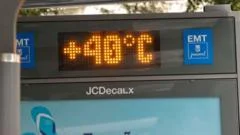
When a heat wave sweeps across a region, the first thing that often fails isn't a person—it's the technology we depend on. Power grids buckle. Train tracks warp. Signals go dark. The question is no longer whether extreme heat will strike, but whether our most vital systems can survive it.
Why Heat Is a Silent Enemy for Infrastructure
Most critical infrastructure was built for a climate that no longer exists. Power lines, transformers, railway tracks, and signaling equipment are designed to operate within specific temperature ranges. When the mercury climbs beyond those limits, materials behave differently. Metal expands. Insulation degrades. Cooling systems struggle. The result is a cascade of failures that can leave millions without power or transport.
How Power Grids Fail in Extreme Heat
Electricity grids are particularly vulnerable. Overhead power lines are made of metal that expands when hot. This expansion causes the lines to sag, sometimes touching trees or other objects, leading to short circuits or fires. Transformers, which step down voltage for homes, rely on cooling oil. In extreme heat, that oil becomes less effective, causing transformers to overheat and fail. According to energy experts, a single transformer failure can knock out power to thousands of homes.
Railways Under Thermal Stress
Train services face their own set of heat-related problems. Steel railway tracks are laid with small gaps to allow for expansion. But in extreme heat, the metal can expand beyond those gaps, causing the tracks to buckle—a phenomenon known as "sun kink." This can derail trains or force services to slow down dramatically. Signaling equipment, which relies on electronic circuits, can also malfunction when temperatures rise, leading to delays and safety risks.
Who Is Affected by These Failures
The impact is not abstract. When the grid fails, hospitals lose power, water pumps stop working, and air conditioning—the very thing people need to survive the heat—shuts off. When trains stop, commuters are stranded, supply chains are disrupted, and economic activity grinds to a halt. The most vulnerable—the elderly, the poor, and those with medical conditions—suffer the most.
What Officials and Experts Are Saying
Utility companies and railway authorities acknowledge the problem. Many are investing in heat-resistant materials, such as composite conductors for power lines and advanced alloys for rails. Some grids are being "hardened" with better cooling systems and underground cables. However, experts caution that these upgrades are expensive and slow. "We are retrofitting infrastructure that was built decades ago for a different climate," one energy analyst noted. "It's a race against time."
The Deeper Problem: Design for a Cooler Past
The root cause is that much of today's critical tech was designed using historical climate data. Power grids in Europe, North America, and parts of Asia were built when summer temperatures rarely exceeded 35°C. Now, heat waves regularly push past 40°C. The gap between design assumptions and current reality is widening. This is not a failure of technology itself, but of planning and investment.
Confirmed Facts vs What Remains Unclear
Confirmed: Power lines sag and transformers overheat in extreme heat. Railway tracks buckle above certain temperatures. These are documented physical phenomena. Unclear: The exact threshold at which widespread failures occur varies by region and infrastructure age. The full cost of heat-related disruptions is not yet fully calculated. Some proposed solutions, like underground power lines, are effective but prohibitively expensive for entire networks.
Why This Matters for the Future
Climate scientists predict that heat waves will become more frequent and intense. This means the vulnerabilities in our grids and railways will only grow. The question is not if another major heat-related failure will happen, but when. Preparing now—through better materials, smarter design, and strategic investment—is essential to avoid a future where heat regularly cripples essential services.
Risks and Balanced View
Some argue that the risks are overstated, pointing to the resilience of modern grids during past heat waves. Others note that the cost of upgrading all infrastructure is enormous and may not be feasible. However, the evidence from recent heat events—such as the 2022 European heat wave that caused rail delays and power cuts—suggests that inaction carries its own costs. A balanced view acknowledges both the challenges and the necessity of adaptation.
Wider Trend: Climate Change and Infrastructure Stress
This story is part of a larger pattern. As global temperatures rise, every piece of infrastructure—from roads to bridges to data centers—faces new stresses. The tech that powers modern life was designed for a stable climate. That stability is gone. The adaptation challenge is one of the defining issues of our time.
Practical Guidance for Readers
If you live in a region prone to heat waves, prepare for potential power outages. Keep emergency supplies—water, flashlights, backup batteries—ready. Check with your local utility about their heat preparedness plans. For commuters, monitor railway announcements during heat warnings. Understanding the risks helps you stay safe when systems fail.
Future Outlook
In the near term, we can expect more heat-related disruptions. In the longer term, investment in heat-resistant infrastructure will likely accelerate. New technologies—such as smart grids that reroute power around failing components—offer hope. But the transition will take years. Until then, every heat wave will be a test of how well our crucial tech can cope.
Our Take
The vulnerability of power grids and railways to heat is not a niche engineering problem. It is a public safety issue that affects everyone. The fact that our most essential systems were designed for a climate that no longer exists is a wake-up call. Addressing this requires not just technical fixes, but political will and public awareness. This story deserves attention because it touches the foundation of modern life.
Frequently Asked Questions
Why do power lines sag in hot weather?
Power lines are made of metal that expands when heated. In extreme heat, the expansion causes the lines to sag, increasing the risk of contact with trees or other objects, which can cause short circuits or fires.
Can railway tracks really buckle in heat?
Yes. Steel tracks expand in high temperatures. If the expansion exceeds the small gaps left during installation, the tracks can warp or buckle—a condition known as "sun kink"—which can derail trains.
What is being done to protect infrastructure from heat?
Utilities and railway authorities are investing in heat-resistant materials, better cooling systems, and underground cables. However, upgrades are expensive and slow, and much of the infrastructure remains vulnerable.
How can I prepare for heat-related power outages?
Keep emergency supplies like water, flashlights, and backup batteries. Monitor weather alerts and utility announcements. Have a plan for staying cool if air conditioning fails, such as identifying local cooling centers.