For the first time in years, the World Health Organization has sounded the highest alarm on an Ebola outbreak — and the decision is sending ripples of concern across Africa and beyond. With nearly 250 people infected and 80 dead, the virus has crossed borders, triggering fears of a wider regional crisis. While officials insist this is not a pandemic, the declaration of a "Public Health Emergency of International Concern" signals that the situation is far from contained.
What the WHO Emergency Declaration Actually Means
The World Health Organization has officially declared the Ebola outbreak in the Democratic Republic of the Congo a Public Health Emergency of International Concern (PHEIC). This is the highest level of alert the WHO can issue, reserved for events that pose a risk to multiple countries and require a coordinated international response. According to the WHO, the outbreak, which has recorded around 246 cases and 80 deaths, does not meet the criteria for a pandemic — but the spread to neighboring Uganda has made the situation urgent enough to warrant the emergency label.
Why This Matters Right Now
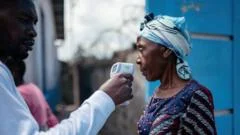
This declaration is not just bureaucratic language. It triggers a cascade of global health actions: increased funding, stricter border screenings, accelerated vaccine deployment, and heightened surveillance across the region. For people living in DR Congo and Uganda, it means a more aggressive containment effort — but also the fear that the virus could reach more populated areas. For the rest of the world, it serves as a stark reminder that infectious diseases remain a borderless threat, especially in regions with weak healthcare infrastructure.
How the Outbreak Unfolded — and Why It Crossed Borders
The current outbreak began in a remote region of the Democratic Republic of the Congo, where healthcare access is limited and community mistrust of health workers has historically hampered containment efforts. The virus, a new strain of Ebola, quickly spread beyond the initial epicenter. The first major alarm came when cases were confirmed in Uganda, a neighboring country with porous borders and significant population movement. The WHO's emergency committee, after reviewing the data, concluded that the risk of further international spread was high — and that a coordinated response was needed immediately.
Who Is Affected and What Officials Are Saying
The outbreak has hit rural communities hardest, where health systems are already stretched thin by other diseases like malaria and cholera. Healthcare workers are on the front lines, risking their lives to treat patients and trace contacts. The WHO has deployed teams to both DR Congo and Uganda, working with local governments to set up treatment centers and vaccination campaigns. "This is a serious situation that requires a serious response," a WHO spokesperson said. "We are not in a pandemic, but we cannot afford to be complacent."
What We Know So Far — and What Remains Unclear
What we know: The outbreak has caused 246 confirmed cases and 80 deaths. The virus has spread to Uganda. The WHO has declared a PHEIC. What remains unclear: The exact source of the outbreak, the full extent of undetected cases, and whether the virus will spread to other countries like Rwanda or South Sudan. Health officials are also uncertain about the effectiveness of current vaccines against this particular strain, though early data suggests they offer some protection.
Risks, Concerns, and the Balanced View
The biggest risk is that the outbreak could spiral out of control if containment efforts fail. DR Congo has a history of Ebola outbreaks, but each one is different — and the current strain appears to be more transmissible than some previous variants. On the other hand, the WHO's rapid declaration means resources are being mobilized faster than in past outbreaks. Critics, however, argue that the PHEIC label can sometimes cause panic and economic disruption, especially in countries that rely on trade and tourism. The WHO has stressed that travel and trade restrictions are not recommended at this stage.
Why Similar Outbreaks Are a Growing Concern
Ebola outbreaks have become more frequent in recent years, driven by deforestation, human encroachment on wildlife habitats, and weak health systems. The virus, which is believed to originate in bats, can spill over into human populations when contact with infected animals increases. Climate change and population movement are also contributing factors. The current outbreak is a reminder that the world remains vulnerable to emerging infectious diseases — and that preparedness is not a one-time effort but a continuous investment.
- The WHO has declared a Public Health Emergency of International Concern for the Ebola outbreak in DR Congo.
- The outbreak has caused 246 cases and 80 deaths, with spread to Uganda.
- The WHO says the outbreak does not meet pandemic criteria but requires urgent international action.
"This is a serious situation that requires a serious response. We are not in a pandemic, but we cannot afford to be complacent." — WHO Spokesperson
What Readers, Travelers, and Communities Should Know Now
For most people outside the affected regions, the risk remains low. However, travelers to DR Congo or Uganda should check the latest health advisories and consider getting vaccinated if they are in high-risk areas. Local communities in the affected zones should follow health guidelines: avoid contact with infected individuals, practice good hygiene, and report any symptoms immediately. The WHO has emphasized that the best defense is early detection and rapid response.
What Could Happen Next
The next few weeks will be critical. If containment efforts succeed, the outbreak could be brought under control within months. If not, the virus could spread to more countries in the region, potentially leading to a larger crisis. The WHO is expected to convene its emergency committee again in the coming weeks to assess the situation. Vaccine manufacturers are also ramping up production to ensure enough doses are available for ring vaccination campaigns.
Our Take: Why This Story Matters Beyond One Outbreak
This is not just another Ebola outbreak. It is a test of the global health system's ability to respond to emerging threats in a world that is more connected — and more vulnerable — than ever. The WHO's decision to declare a PHEIC is a sign that the international community is taking the threat seriously. But the real test will be in the weeks and months ahead, as health workers on the ground fight to contain a virus that has already proven it can cross borders. For the rest of us, this is a reminder that health security is a shared responsibility — and that no one is safe until everyone is safe.
FAQs
What does it mean when the WHO declares a Public Health Emergency of International Concern?
A PHEIC is the highest level of alert the WHO can issue. It means the outbreak is serious, unusual, and poses a risk to multiple countries through international spread. It triggers a coordinated global response, including funding, surveillance, and public health measures.
Is the Ebola outbreak in DR Congo a pandemic?
No. The WHO has stated that the outbreak does not meet the criteria for a pandemic. A pandemic requires widespread global transmission, while this outbreak is currently concentrated in DR Congo and Uganda. However, the risk of further spread is high enough to warrant an emergency declaration.
How many cases and deaths have been reported in the Ebola outbreak?
As of the latest reports, there have been approximately 246 confirmed cases and 80 deaths. The numbers are expected to change as surveillance and testing continue.
Should I be worried about traveling to DR Congo or Uganda?
If you are planning to travel to the affected regions, you should check the latest health advisories from the WHO and your local health authority. The risk to most travelers is low, but those in high-risk areas should consider vaccination and follow all health guidelines.