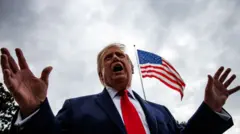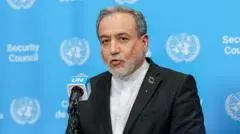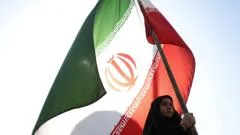
For the past week, Iranian state television has broadcast a carefully crafted narrative: the nuclear deal with the United States is a victory for the nation, a triumph of diplomacy over pressure. But step outside the official studios in Tehran, and a different story emerges — one of exhaustion, not celebration.
Victory narrative vs ground reality in Tehran
BBC Middle East's field analysis reveals a stark disconnect between the government's messaging and the mood on the streets. While officials in Tehran speak of "turning threats into opportunities," ordinary Iranians are asking a far more practical question: will this deal lower the price of bread and cooking oil?
For millions, the agreement is not a victory to be celebrated. It is a necessity born from years of suffocating sanctions, a collapsing currency, and rolling blackouts that have made daily life a struggle.
Why Iranians see the deal as survival, not triumph
The economic reality is brutal. Since the US reimposed sanctions in 2018, the Iranian rial has lost over 80% of its value. Inflation has soared past 40%, pushing basic goods out of reach for the middle class. Energy outages have become routine, disrupting businesses and homes alike.
In this context, the deal with Washington is not about national pride — it is about stopping the bleeding. "We don't care about victory or defeat," a Tehran shopkeeper told the BBC. "We care about whether we can afford meat this month."
How the economic crisis shaped the decision
The path to the negotiating table was paved by economic desperation. Sanctions had crippled Iran's oil exports, its primary revenue source. The currency collapse wiped out savings. Unemployment, especially among the youth, remained stubbornly high.
Analysts believe the leadership in Tehran calculated that continuing the standoff was riskier than accepting a deal that falls short of their original demands. The alternative — more sanctions, more isolation, more economic pain — was simply unsustainable.
Who is affected and what changes for ordinary Iranians
For the average Iranian family, the deal's success will be measured in tangible terms. Will the price of imported goods drop? Will the rial stabilize? Will electricity cuts become less frequent? These are the benchmarks that matter more than any diplomatic statement.
Small business owners, who have been crushed by import restrictions and currency volatility, are cautiously hopeful. "We need this deal to work," a Tehran electronics retailer said. "Not because we love America, but because we need to live."
Tehran's official response and how they frame the agreement
Iranian officials have been careful to present the deal as a win. State media highlights clauses that protect Iran's nuclear enrichment rights and the removal of some sanctions. The narrative is one of resilience: Iran stood firm and forced the US to negotiate.
However, critics within Iran point out that the deal is far from the comprehensive agreement Tehran once demanded. "This is a damage-control agreement, not a victory," a former Iranian diplomat told the BBC, speaking on condition of anonymity.
What the deal actually means — deeper analysis
The agreement is essentially a transactional arrangement. Iran has agreed to limit certain nuclear activities in exchange for sanctions relief. But the relief is phased and reversible, meaning the US could reimpose penalties if it deems Iran non-compliant.
This creates a fragile dynamic. For Iranians, the deal offers a lifeline, but one that could be cut at any moment. The psychological toll of living under the constant threat of renewed sanctions is immense.
Confirmed facts vs what remains unclear about the agreement
Confirmed: The deal includes a freeze on certain enrichment levels and the release of some frozen Iranian assets. Sanctions on oil exports are expected to be partially lifted.
Unclear: The full scope of sanctions relief, the timeline for implementation, and the mechanisms for verification remain subject to interpretation. It is also unclear how the deal will affect Iran's regional influence or its support for proxy groups.
Risks and balanced view of the US-Iran deal
Supporters argue the deal prevents a nuclear crisis and offers Iran a path to economic recovery. Critics warn it is a temporary fix that does not address Iran's ballistic missile program or its regional behavior.
For ordinary Iranians, the biggest risk is that the deal collapses, plunging the country back into crisis. "We have seen this movie before," a university student in Tehran said. "Promises are made, then broken. We are tired of hope."
Wider pattern of survival diplomacy in the Middle East
Iran is not alone in making painful compromises under economic pressure. Across the Middle East, countries from Lebanon to Syria have been forced into deals they would have rejected in better times. Economic collapse has become a powerful negotiating tool for Western powers.
This pattern suggests that for nations facing financial ruin, ideology often takes a backseat to survival. The Iran deal is the latest example of this harsh reality.
Practical guidance for those affected by the deal
For Iranians and those with business ties to Iran, the immediate focus should be on monitoring the implementation timeline. Currency markets will react quickly to any signs of progress or delay. Diversifying income sources and holding assets in stable currencies remains prudent.
For the Iranian diaspora, the deal may open limited opportunities for remittances and trade, but caution is advised until sanctions relief is fully verified.
Future outlook — what could happen next
The coming weeks will be critical. If sanctions relief materializes quickly, the rial could stabilize and inflation may ease. But if implementation stalls, public frustration could boil over. The government's ability to deliver tangible benefits will determine whether the "victory" narrative holds.
There is also the risk of internal political fallout. Hardliners in Iran who opposed the deal may use any economic hiccup to undermine the government. The deal's survival depends on both sides honoring their commitments.
Our Take
This story is a powerful reminder that geopolitics is not just about flags and statements — it is about people trying to live their lives. The Iranian government's victory narrative is a necessary political tool, but it cannot mask the desperation that drove the deal. For the world, the lesson is clear: economic pressure can force change, but it comes at a human cost that is rarely counted in diplomatic briefings. The real test of this agreement is not whether it is called a victory, but whether it makes life better for the millions who had no choice but to accept it.
Frequently Asked Questions
Why do Iranians see the US deal as a necessity rather than a victory?
Years of crippling sanctions caused the rial to collapse, inflation to soar above 40%, and energy outages to become routine. For ordinary citizens, the deal was the only way to stop the economic bleeding, not a cause for celebration.
What did Iran gain from the nuclear deal with the US?
Iran secured the release of some frozen assets and a partial lifting of sanctions on oil exports. In return, it agreed to limit certain nuclear enrichment activities. The deal is reversible if either side violates terms.
How has the Iranian government framed the agreement domestically?
State media and officials present the deal as a diplomatic victory, claiming Iran turned threats into opportunities. They highlight protections for Iran's nuclear rights while downplaying the concessions made.
What are the biggest risks of the US-Iran deal for ordinary people?
The main risk is that the deal collapses, leading to renewed sanctions and a return to economic crisis. The phased and reversible nature of sanctions relief creates uncertainty, making long-term planning difficult for businesses and families.