The World Health Organization has just made a decision that will send ripples across the globe — declaring the Ebola outbreak in the Democratic Republic of the Congo a Public Health Emergency of International Concern. For the thousands of families in affected regions, this isn't just a bureaucratic label. It's a signal that the situation has escalated beyond local control, and the world needs to pay attention.
With 246 confirmed cases and at least 80 deaths, the outbreak has already claimed more lives than many recent Ebola flare-ups. But officials are clear: this is not a pandemic-level emergency. So why the global alarm? And what does this mean for the people living in the shadow of this deadly virus?
What the WHO Declaration Actually Means
The WHO's declaration of a Public Health Emergency of International Concern (PHEIC) is the highest level of alarm the organization can sound. It is not a declaration of a pandemic, but rather a recognition that the outbreak poses a risk to other countries and requires a coordinated international response.
According to the WHO, the outbreak in DR Congo, with cases also reported in neighboring Uganda, meets the criteria for a PHEIC due to its spread across borders, the complexity of the response in a conflict-affected region, and the potential for further international spread. The declaration triggers a series of actions, including increased funding, deployment of expert teams, and the implementation of travel and trade measures.
Why This Matters Right Now
For the people of DR Congo and Uganda, this declaration is not an abstract concept. It means more health workers on the ground, more vaccines and treatments arriving, and stricter monitoring of movement across borders. But it also means fear — fear of the virus, fear of lockdowns, and fear of the economic consequences that follow such declarations.
For the rest of the world, the PHEIC is a reminder that Ebola is not a disease of the past. It remains a persistent threat, particularly in regions with weak health systems and ongoing conflict. The declaration also puts pressure on neighboring countries to strengthen their surveillance and preparedness, as the risk of cross-border transmission is real.
How the Outbreak Unfolded
The current outbreak was first detected in the Équateur Province of DR Congo, a region that has experienced multiple Ebola outbreaks in the past. The virus, which causes severe hemorrhagic fever, quickly spread to urban areas, complicating containment efforts. Within weeks, cases were reported in Uganda, confirming fears that the outbreak had crossed international borders.
The WHO and local health authorities have been working tirelessly to trace contacts, isolate patients, and vaccinate frontline workers. However, the response has been hampered by logistical challenges, including difficult terrain, limited infrastructure, and ongoing insecurity in parts of the affected region.
Who Is Affected and What Officials Are Saying
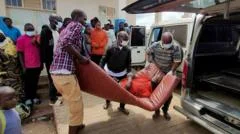
The outbreak has primarily affected communities in the Équateur Province, but the spread to Uganda has raised concerns about a wider regional crisis. Health workers are among the most vulnerable, as they are on the front lines of the response. Families who have lost loved ones are grappling with grief and the stigma that often accompanies Ebola.
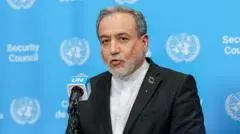
WHO Director-General Tedros Adhanom Ghebreyesus has called for "maximum vigilance" and urged all countries to prepare for potential imported cases. "This is a serious situation, but it is not a pandemic," he said in a statement. "We have the tools to stop this outbreak, but we need the political will and the resources to deploy them effectively."
"This is a serious situation, but it is not a pandemic. We have the tools to stop this outbreak, but we need the political will and the resources to deploy them effectively." — WHO Director-General Tedros Adhanom Ghebreyesus
What We Know So Far — and What Remains Unclear
What we know:
- The outbreak has resulted in 246 confirmed cases and 80 deaths.
- Cases have been reported in both DR Congo and Uganda.
- The WHO has declared a Public Health Emergency of International Concern.
- The outbreak is not classified as a pandemic emergency.
What remains unclear:
- The exact source of the outbreak and how it initially spread.
- The full extent of undetected cases, particularly in remote areas.
- Whether the outbreak will spread to other countries in the region.
- The long-term impact on local health systems and economies.
Risks, Concerns, and the Balanced View
The declaration of a PHEIC is a double-edged sword. On one hand, it mobilizes global resources and attention, which can save lives. On the other hand, it can trigger panic, travel restrictions, and economic disruption that may harm the very communities it aims to protect.
Critics have pointed out that previous PHEIC declarations, such as those for the H1N1 flu and Zika virus, led to overreactions and unintended consequences. There is also concern that the label could stigmatize affected countries and discourage tourism and investment.
However, supporters argue that the risks of inaction are far greater. Ebola is a highly lethal virus, and without a coordinated response, it could spread rapidly across borders. The WHO's declaration is a tool to ensure that the outbreak is taken seriously and that resources are allocated where they are needed most.
Why Similar Trends or Concerns Are Growing
The DR Congo outbreak is the latest in a series of Ebola flare-ups that have occurred with alarming regularity in Central and West Africa. The virus, which was first identified in 1976, has become a recurring threat, particularly in regions where health systems are fragile and conflict is ongoing.
Experts warn that climate change, deforestation, and increased human-animal contact are creating conditions for more frequent outbreaks. The WHO has called for sustained investment in health systems and surveillance to prevent future emergencies.
- Ebola outbreaks have occurred in DR Congo, Uganda, Guinea, and Sierra Leone in recent years.
- The 2014-2016 West Africa outbreak killed over 11,000 people.
- Vaccines and treatments are available but not always accessible in remote areas.
What Readers, Users, or Investors Should Know Now
For those living in affected areas, the most important step is to follow public health guidelines: wash hands frequently, avoid contact with bodily fluids, and report any symptoms immediately. Vaccination campaigns are underway, and health workers are urging communities to participate.
For travelers, the WHO has not recommended any general travel restrictions, but it advises against non-essential travel to affected areas. Airlines and border authorities may implement screening measures for passengers arriving from the region.
For investors and businesses, the declaration could impact supply chains and operations in Central Africa. Companies with exposure to the region should monitor the situation closely and prepare contingency plans.
What Could Happen Next
The next few weeks will be critical. If the international response is swift and effective, the outbreak could be contained within months. However, if the virus continues to spread, the WHO may consider additional measures, including travel restrictions and mass vaccination campaigns.
There is also the possibility that the outbreak could spread to other countries in the region, particularly those with weak health systems. The WHO has urged all countries to remain vigilant and to report any suspected cases immediately.
Our Take: Why This Story Matters Beyond One Incident
The WHO's declaration is a stark reminder that infectious diseases remain one of the greatest threats to global health security. The Ebola outbreak in DR Congo is not just a local crisis — it is a test of the world's ability to respond to emerging threats in a coordinated and effective manner.
While the situation is serious, it is not hopeless. We have the tools to stop Ebola, but they must be deployed quickly and equitably. The real question is whether the international community will learn from past mistakes and act decisively — or whether this outbreak will become another chapter in a cycle of panic and neglect.
FAQs
What does it mean when the WHO declares a global health emergency?
A Public Health Emergency of International Concern (PHEIC) is the highest level of alarm the WHO can sound. It signals that an outbreak poses a risk to multiple countries and requires a coordinated international response, including increased funding, expert deployment, and travel measures.
Is the Ebola outbreak in DR Congo a pandemic?
No. The WHO has stated that the outbreak does not meet the criteria for a pandemic emergency. It is a serious regional outbreak with cross-border spread, but it is not yet considered a global pandemic.
How many cases and deaths have been reported in the DR Congo Ebola outbreak?
As of the latest reports, there have been approximately 246 confirmed cases and 80 deaths. The outbreak has affected both DR Congo and Uganda.
What should travelers do in response to the WHO declaration?
The WHO has not recommended general travel restrictions, but travelers should avoid non-essential travel to affected areas. Screening measures may be implemented at airports and borders. It is important to follow public health guidelines and stay informed through official channels.