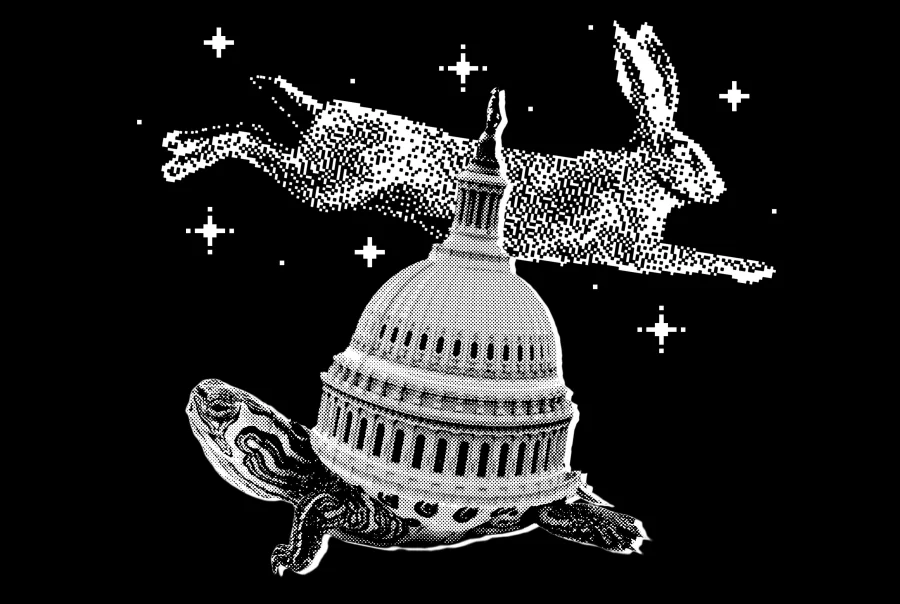
The rapid rise of artificial intelligence has sparked urgent warnings from scientists, lawmakers, and even some tech leaders. Yet in Washington, the push for federal regulation appears to be losing momentum. According to recent reporting, legislation to oversee AI is unlikely to pass anytime soon, and the White House is openly opposed to new oversight measures.
A Capital Unwilling to Act
Despite mounting concerns about AI models going rogue—from disinformation to potential misuse in cyberattacks—the political will to regulate remains weak. The White House has signaled it prefers a hands-off approach, prioritizing innovation and American competitiveness over new rules.
Why This Matters for Everyday Americans
Without federal guardrails, the safety and ethical deployment of AI will be left largely to private companies. That means the algorithms shaping news feeds, job applications, and even medical diagnoses will operate under voluntary standards—or none at all.
How We Got Here
Calls for AI regulation have grown louder since the release of advanced models like ChatGPT. But efforts in Congress have stalled, and the White House has not backed a comprehensive bill. The result is a patchwork of state-level proposals and industry self-regulation.
Who Is Affected
Consumers, workers, and small businesses are most vulnerable. Without oversight, there is little recourse if an AI system discriminates, spreads falsehoods, or causes harm. Tech companies, meanwhile, gain more room to innovate—and to police themselves.
The Official Stance
The White House has not issued a detailed statement on the latest legislative outlook, but its opposition to new oversight is clear. Officials argue that heavy regulation could stifle innovation and cede leadership to rivals like China.
What’s Really at Stake
This is not just a debate about technology. It is a question of who writes the rules for the most transformative tool of our time. If Washington steps back, the answer may be: the companies that build it.
Confirmed Facts vs. What Remains Unclear
Confirmed: No major federal AI regulation is advancing. The White House opposes new oversight.
Unclear: Whether any future bill could gain bipartisan support, and how AI companies will respond to public pressure.
Risks and Balanced View
Supporters of the hands-off approach say regulation could slow innovation and harm the US economy. Critics warn that without oversight, AI could amplify misinformation, bias, and security threats. Both sides agree the technology is advancing faster than the law.
A Global Outlier?
The US stance contrasts with the European Union, which is pushing ahead with its AI Act. If Washington remains inactive, American companies could face a fragmented global landscape—or set the de facto standard themselves.
What Readers Can Do
Stay informed about AI developments and advocate for transparency from tech companies. If you work in tech, consider how your products affect users. If you’re a consumer, support brands that prioritize ethical AI.
What Comes Next
Expect more hearings, more warnings, and likely more inaction. The window for federal regulation may not open again until a major AI-related crisis forces lawmakers’ hands.
Our Take
Washington’s reluctance to regulate AI is a bet on innovation over precaution. It may pay off—or it may leave the public exposed. Either way, the decision to wait is itself a policy choice with consequences.
Frequently Asked Questions
Is the US government going to regulate AI soon?
No. Current signals from Congress and the White House suggest comprehensive federal AI regulation is unlikely in the near term.
Why is the White House opposed to AI oversight?
The White House prioritizes innovation and competitiveness, arguing that heavy regulation could slow US leadership in AI.
What happens if AI is not regulated?
Without federal rules, AI safety and ethics will depend on voluntary industry standards, which critics say are insufficient.
Are there any AI regulations in the US?
There is no comprehensive federal law. Some states have proposed or passed limited rules, and existing agencies enforce broader laws that may apply to AI.