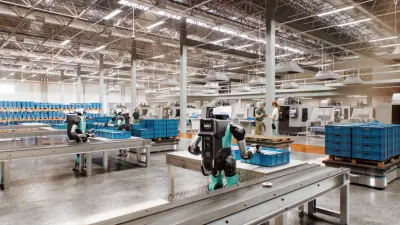
Robots can walk, talk, and even fold laundry in controlled demos. But they still can't reliably do the dishes in your kitchen. That gap — between flashy prototypes and everyday usefulness — is exactly what Nvidia's Les Karpas plans to unpack at TechCrunch Disrupt 2026.
The robotics industry has been chasing its "ChatGPT moment" for years. That moment — when a technology becomes suddenly, undeniably useful to ordinary people — hasn't arrived yet. Karpas, an Nvidia executive working at the intersection of AI and robotics, is expected to explain why.
Why Robotics Hasn't Had Its Breakthrough Yet
When ChatGPT launched, it changed how millions of people interact with AI overnight. Robotics hasn't seen that same inflection point. The reasons are partly technical, partly economic, and partly about trust.
Unlike software, robots must operate in messy, unpredictable physical environments. A chatbot can hallucinate and still be useful. A robot that misjudges a staircase or a hot stove can cause real harm. That difference matters.
The Gap Between AI Progress and Physical Machines
AI models have advanced at a pace that has stunned even their creators. But translating that intelligence into reliable physical action remains stubbornly difficult. Sensors, actuators, battery life, and real-world variability all create friction that software alone doesn't face.
Karpas's session is expected to address how Nvidia sees this gap closing — and what still needs to happen before robots become as commonplace as smartphones.
What Nvidia Brings to the Robotics Conversation
Nvidia has become a central player in AI infrastructure, and its work in robotics simulation and training platforms has made it a key enabler for companies building physical machines. That gives Karpas a vantage point on both the promise and the bottlenecks.
His appearance at Disrupt 2026 signals that the robotics conversation is shifting from "what's possible" to "what's practical."
Confirmed Facts vs What Remains Unclear
Confirmed: Les Karpas of Nvidia will speak at TechCrunch Disrupt 2026. The session will focus on why robotics is still waiting for its breakthrough moment. Early registration pricing ends September 25.
Unclear: The specific technical claims, timelines, or product announcements Karpas may make. No details have been released about whether Nvidia will unveil new robotics tools at the event.
Risks and Balanced View
Optimism around robotics has cycled through hype and disappointment before. Humanoid robot startups have raised billions, but commercial deployments remain limited. Some experts argue the industry is closer than it looks; others warn that physical-world AI is fundamentally harder than language models.
Karpas's session may offer clarity — or add to the debate. Either way, it reflects a moment of genuine uncertainty about when robots will truly arrive.
Why This Conversation Matters Beyond the Stage
Robotics isn't just a tech story. It touches manufacturing, healthcare, elder care, logistics, and domestic life. If robots become reliable, the economic and social implications will be enormous. If they don't, the gap between AI's promise and physical reality will remain a defining limitation of this era.
That's why a single conference session — even one without product launches — can matter. It's a signal of where the industry's head is at.
Practical Reader Guidance
If you're following robotics as an investor, developer, or curious observer, Disrupt 2026 is worth watching. Early registration closes September 25, with savings of up to $200. For those unable to attend, TechCrunch typically publishes session highlights and interviews afterward.
Future Outlook
The "ChatGPT moment" for robotics may not arrive as a single event. It could come gradually — through better simulation, cheaper hardware, and incremental trust. Or it could arrive suddenly, the way ChatGPT did. Karpas's session may not answer that question definitively, but it will frame it for the year ahead.
Our Take
The robotics industry doesn't need another demo. It needs a reason for ordinary people to care. Karpas's appearance at Disrupt 2026 suggests the conversation is maturing — from "look what's possible" to "here's what's actually in the way." That's a healthier place to be.
Frequently Asked Questions
What is the "ChatGPT moment" for robotics?
It refers to the point when robots become suddenly and widely useful to everyday people, similar to how ChatGPT made AI accessible overnight. That moment hasn't arrived yet for physical robots.
Who is Les Karpas?
Les Karpas is an Nvidia executive expected to speak at TechCrunch Disrupt 2026 about the robotics industry's path to mainstream adoption.
When is TechCrunch Disrupt 2026?
The event is scheduled for 2026. Early registration pricing ends September 25, with savings of up to $200 on passes.
Why hasn't robotics had its breakthrough yet?
Physical robots face challenges that software doesn't — real-world unpredictability, safety concerns, hardware costs, and the difficulty of translating AI intelligence into reliable physical action.