
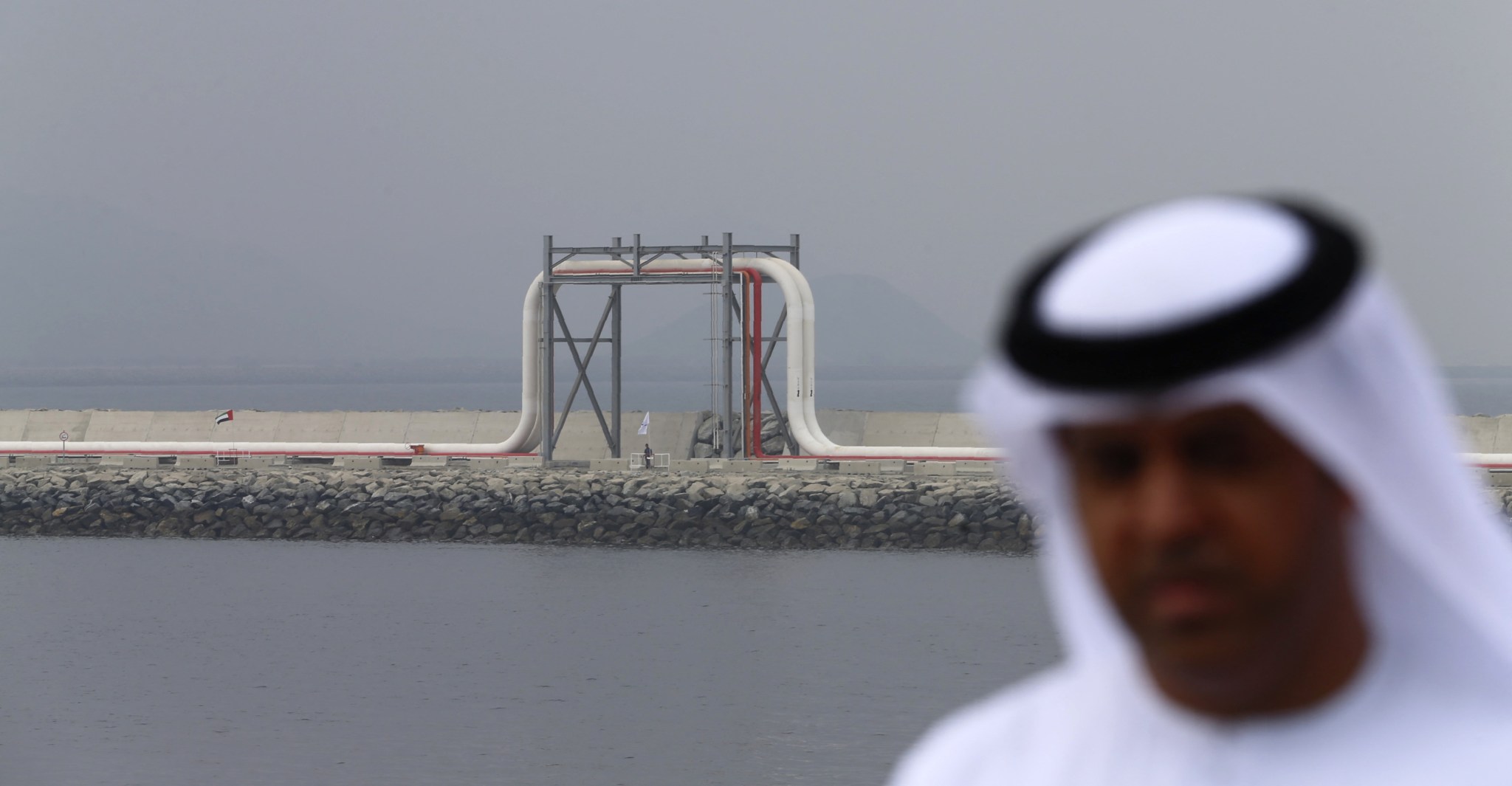
UAE ne OPEC chhodne ka jo faisla liya, woh duniya ke liye shocking tha. Lekin Johns Hopkins University ke applied economics ke professor Steve H. Hanke kehti hain ki yeh faisla koi achanak nahi tha. Unke mutabiq, UAE ka ‘take the money and run’ ka plan tha, aur Iran war ne ise aur bhi urgent bana diya.
Fortune ke mutabiq, UAE ne 28 April ko OPEC chhodne ka announcement kiya. Yeh faisla saalon ki tension ke baad aaya. UAE OPEC ke quotas se pareshan tha, aur recently Saudi Arabia ke saath uske rishton mein bhi kafi strain aayi thi.
Iran war ne kya role play kiya?
Hanke kehti hain ki Iran war ne UAE ko edge par push kar diya. Woh kehti hain, “The war suddenly made job one for the UAE ‘take the money and run’.” Unke mutabiq, pehle OPEC partially raaste mein tha, lekin ab Iran war ek bahut bada danger ban gaya hai jo lambe time tak rahega.
“First, OPEC stood partially in the way, now the Iran war poses a much bigger danger for a long time to come.” — Steve H. Hanke, Fortune
UAE ka official stance kya tha?
Dilchasp baat yeh hai ki UAE ne apne public announcement mein Gulf conflict ka zikar nahi kiya. Unki press release mein bas itna kaha gaya ki “The…” (baaki details Fortune article mein hain). Lekin Hanke ke analysis se saaf hai ki Iran war hi asli wajah thi.
Hamaari Baat: UAE ka OPEC exit — ek strategic move
Seedha baat karein toh, UAE ka yeh faisla purely economic aur strategic hai. Hanke ka ‘take the money and run’ wala point bilkul sahi lagta hai. Iran war ne Middle East ke energy market ko unstable kar diya hai. UAE ke liye ab apne oil reserves ko jaldi se jaldi monetize karna aur risk se bachna priority ban gaya. OPEC ke quotas unki is strategy mein rukawat daal rahe the. Isliye unka exit logical hai. Lekin yeh dekhna hoga ki OPEC ke liye is exit ke kya consequences hote hain — kya doosre members bhi aisa kar sakte hain?