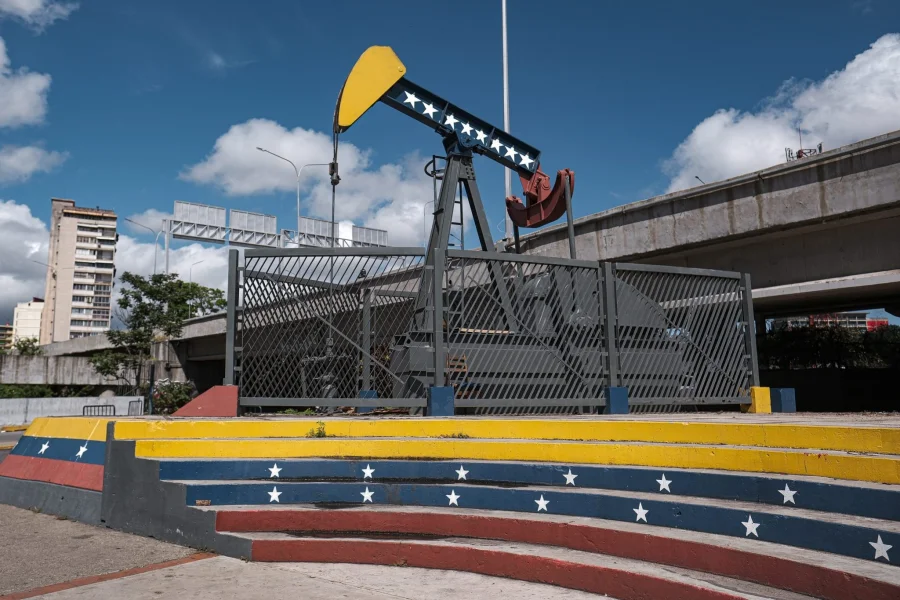
The White House is calling it the "biggest oil deal in world history," but energy analysts see something far less celebratory in President Trump's plan for U.S. majority ownership of Venezuelan oilfields. The proposal, which would give Washington controlling stakes in Venezuela's beleaguered petroleum sector, is drawing sharp criticism from experts who say it echoes a century-old era of colonial exploitation and backroom political bargains.
Analysts Sound Alarm Over Colonial-Era Echoes
The deal's structure, which places U.S. commercial interests at the center of Venezuela's most valuable national asset, has triggered immediate comparisons to the early 20th century when foreign powers carved up oil-rich territories with little regard for local sovereignty.
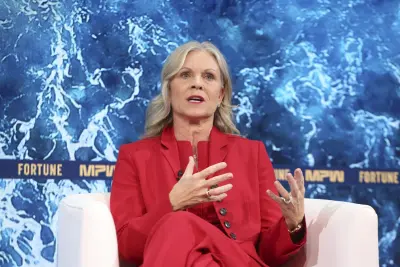
"If the U.S. scheme in Venezuela sounds colonial, that's because it is," said Gregory Brew, senior energy analyst with the Eurasia Group. "This is the Trump administration trying to increase U.S. revenue from Venezuelan oil through a framework that mirrors the extractive arrangements of a bygone era."
Why the Deal Faces Steep Odds
Beyond the political optics, the practical challenges are immense. Venezuela's oil infrastructure has deteriorated dramatically over the past decade, with production falling from over 3 million barrels per day to roughly 900,000 barrels per day. Revitalizing these fields will require billions in new investment and years of rehabilitation work.
Energy analysts note that the timeline for meaningful production recovery extends far beyond the current political horizons of both the Trump administration and interim Venezuela President Delcy Rodriguez. This creates a fundamental mismatch between political ambition and operational reality.
The Cronyism Question at the Heart of the Deal
Critics point to the deal's origins as a particular concern. The proposal emerged from direct negotiations between Trump and Rodriguez, bypassing the kind of transparent, competitive bidding processes that typically govern international energy agreements.
This backroom approach, analysts argue, invites the same kind of crony capitalism that has historically plagued Venezuela's oil sector. The arrangement raises questions about who benefits personally from the deal and whether it serves the Venezuelan people or merely consolidates political and financial power among a select few.
What This Means for Venezuelans
For ordinary Venezuelans, the deal represents a double-edged sword. On one hand, any serious investment in the oil sector could create jobs and generate revenue for a country mired in economic crisis. On the other, history offers little comfort — previous foreign oil arrangements have often enriched elites while leaving the broader population with minimal benefits.
The humanitarian stakes are significant. Venezuela's economic collapse has driven over 7 million people to flee the country, and its citizens have endured years of hyperinflation, food shortages, and crumbling public services. Whether this deal helps or hurts those conditions remains an open question.
Official Positions and Expert Skepticism
The Trump administration has framed the deal as a strategic win that would secure U.S. energy interests while helping rebuild Venezuela's economy. However, the lack of publicly available terms has fueled skepticism among analysts who question whether the deal can deliver on its promises.
"Any revitalization of Venezuela's oil industry may be heading in the right direction, but the process will require huge infusions of new investment," Brew noted. "It will occur on a timeline that extends far beyond the administrations of Trump and Rodriguez — meaning any success will take years to come to fruition."
Confirmed Facts vs. What Remains Unclear
What is confirmed: The Trump administration has proposed U.S. majority ownership of Venezuelan oilfields. The deal was negotiated directly with interim President Delcy Rodriguez. Energy analysts have publicly criticized the arrangement as colonial in nature.
What remains unclear: The specific financial terms of the deal, the level of investment required, the legal framework governing the arrangement, and the response from Venezuela's broader political establishment. No finalized agreement has been publicly released.
Risks and Balanced View
Supporters of the deal argue that U.S. involvement could bring much-needed technical expertise and capital to Venezuela's oil sector, potentially stabilizing production and generating revenue for the cash-strapped government. They also point to the strategic value of securing reliable energy supplies for the United States.
Critics, however, see a different picture. They warn that the deal could entrench political corruption, undermine Venezuela's sovereignty, and create a new form of economic dependency. The lack of transparency around the negotiations has only amplified these concerns.
A Pattern of Resource Politics
This deal fits into a broader pattern of great-power competition over energy resources. From the Middle East to Africa to Latin America, oil-rich nations have long been battlegrounds for influence between global powers. Venezuela, with the world's largest proven oil reserves, has been a persistent flashpoint in this struggle.
The Trump administration's approach, however, marks a departure from recent U.S. policy, which had focused on sanctions and pressure against the Maduro government. This deal appears to represent a shift toward direct economic engagement, albeit on terms that critics find troubling.
What Should Stakeholders Watch For
For investors, the key question is whether the deal can survive political transitions in both countries. For Venezuelans, the concern is whether the arrangement will translate into tangible improvements in their daily lives. For international observers, the deal raises fundamental questions about the ethics of resource extraction in developing nations.
Analysts advise caution, noting that the deal remains in its infancy and could easily collapse under the weight of political opposition, legal challenges, or the sheer scale of investment required.
Future Outlook
The coming months will be critical in determining whether this deal moves from proposal to reality. Key indicators include the release of detailed terms, the response from Venezuela's political factions, and the willingness of international investors to commit capital to a project with such significant political and operational risks.
What seems certain is that any meaningful outcome will take years to materialize — a timeline that may outlast the political careers of the deal's architects.
Our Take
This deal, whatever its merits, has been framed in a way that invites maximum controversy. By touting it as the "biggest oil deal in world history" while negotiating in secret with an interim leader, the administration has handed its critics a ready-made narrative of colonial exploitation and crony capitalism.
The deeper issue is whether Venezuela's oil wealth can be developed in a way that genuinely benefits its people. History suggests that foreign control of Venezuelan resources has rarely achieved that goal. Whether this deal breaks that pattern or repeats it will depend on details that have yet to be revealed.
Frequently Asked Questions
What is the Trump Venezuela oil deal?
The Trump administration has proposed that the United States take majority ownership of Venezuelan oilfields, a plan President Trump has described as the "biggest oil deal in world history." The arrangement was negotiated directly with interim Venezuela President Delcy Rodriguez.
Why are experts calling the deal "colonial cronyism"?
Energy analysts say the deal's structure — foreign control of a nation's key resource negotiated through backroom political channels — mirrors colonial-era arrangements. Gregory Brew of the Eurasia Group stated, "If the U.S. scheme in Venezuela sounds colonial, that's because it is."
What are the main risks facing the deal?
The deal faces significant risks including the massive investment required to rehabilitate Venezuela's deteriorated oil infrastructure, political opposition in both countries, legal uncertainties, and a timeline that extends beyond current political leadership.
How would this deal affect ordinary Venezuelans?
The impact is uncertain. Supporters say it could bring investment and jobs to a struggling economy, while critics warn it could entrench corruption and fail to deliver benefits to the broader population, repeating patterns seen in previous foreign oil arrangements.