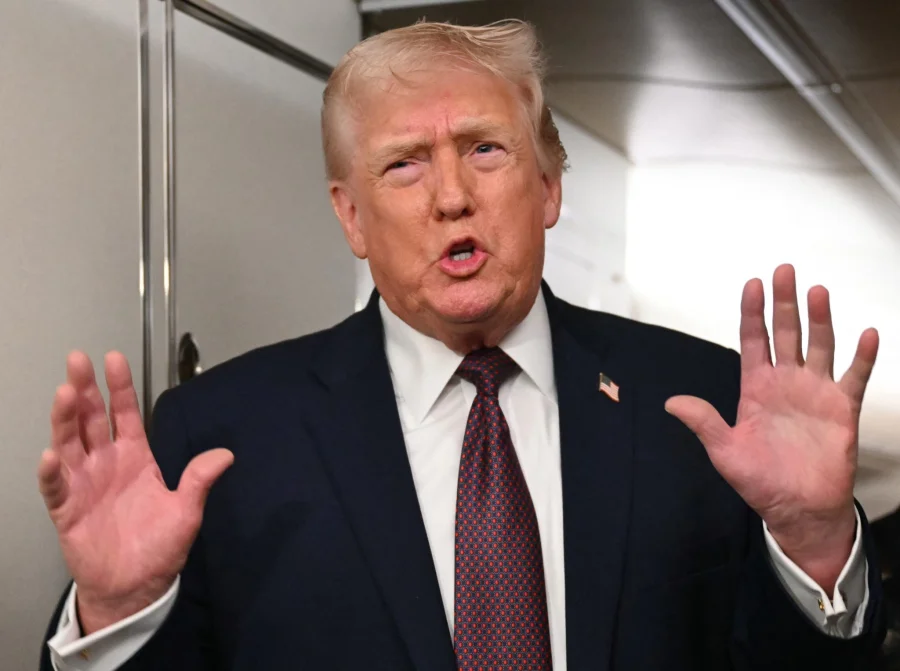
The announcement landed like a thunderclap in Caracas — a U.S.-Venezuela oil deal, unveiled by President Trump and Interim President Delcy Rodríguez, with the public left staring at an empty page. No details. No debate. Just a done deal that even those closest to the negotiations claim they never saw coming.
A Pact Signed in Shadows: What We Actually Know
The agreement was announced, but its substance remains a mystery. According to a Special Adviser to Venezuelan Congressman Antonio Ecarri on Economic, Monetary, and Energy Affairs, the deal was "clearly arrived at in secrecy, with no public debate, and signed under duress."
The adviser, who works directly on economic policy, said the announcement took not only him but "everyone I am in touch with in Caracas by surprise." That admission is striking — if close economic advisers were blindsided, what does that say about the deal's foundation?
Why Secrecy Undermines the Deal's Legitimacy
For any agreement involving a nation's natural resources, transparency isn't just a nicety — it's a pillar of legitimacy. This deal, negotiated behind closed doors, raises immediate red flags about its legal standing.
The adviser's assessment is blunt: the pact is "illegitimate and probably illegal." The reasoning centers on the absence of public scrutiny and the circumstances of its signing, which he describes as occurring under duress.
The Inflation Crisis: The Real Battle Venezuela Faces
Behind the oil politics lies a deeper crisis — inflation that has devastated Venezuelan households for years. The adviser's work focuses on killing this inflation, and he sees a clear connection to the oil sector.
His argument is economic: establishing clear private property rights in Venezuela's vast oil reserves would give those reserves a positive present value. That value, in turn, could anchor the economy and help stabilize prices.
Private Property Rights: The Missing Piece
The adviser's core thesis is that Venezuela's oil wealth is currently a liability, not an asset, because property rights are murky. Without clear ownership, investors won't commit, reserves can't be properly valued, and the economy can't leverage its greatest resource.
This isn't just academic theory — it's a practical roadmap for economic recovery. But the secret oil deal, in his view, sidesteps this fundamental issue entirely.
Voices From Caracas: Surprise and Concern
The reaction in Venezuela's capital was immediate confusion. When a deal of this magnitude is negotiated without input from economic advisers, it signals a breakdown in the policy process.
For ordinary Venezuelans, the stakes are existential. An oil deal that doesn't address property rights or inflation does little to ease the daily struggle of affording basic goods.
What Legitimacy Requires: A Call for Transparency
The adviser's critique isn't just about process — it's about outcomes. A legitimate deal would involve public debate, clear terms, and a strategy that connects oil revenue to inflation control.
Instead, what emerged was a secret pact that even insiders couldn't explain. That's not governance; it's a gamble with a nation's future.
Confirmed Facts vs. What Remains Unclear
Confirmed: A U.S.-Venezuela oil deal was announced by Trump and Rodríguez. The Special Adviser to Congressman Ecarri was not consulted and calls the deal illegitimate.
Unclear: The specific terms of the agreement, its legal basis, and how it will affect Venezuela's inflation crisis remain undisclosed. The adviser's claim of illegality is his assessment, not a court ruling.
The Economic Logic: Why Oil Value Matters for Inflation
Here's the simple version: if Venezuela's oil reserves have clear private owners, they gain real value. That value can back currency, attract investment, and create economic stability — all of which fight inflation.
Without property rights, the reserves are essentially frozen assets. The secret deal, the adviser argues, does nothing to unlock this potential.
Risks and Balanced View: Supporters vs. Critics
Supporters of such deals might argue that any engagement with the U.S. is a step toward economic normalization. Opening oil channels could bring revenue and diplomatic leverage.
Critics, including the adviser, counter that a deal built on secrecy and duress cannot produce sustainable benefits. It may even entrench the very instability it claims to address.
A Pattern of Opaque Energy Diplomacy
This isn't the first time oil politics have been conducted behind closed doors. But the stakes here are uniquely high — a nation in economic freefall, a population desperate for relief, and a resource that could change everything if properly managed.
What Should Venezuelans and Observers Watch For?
For those affected, the immediate priority is demanding transparency. Ask: What are the terms? Who benefits? How does this fight inflation?
For investors and policymakers, the lesson is to focus on property rights as the foundation of any sustainable oil strategy. Without them, deals are just paper.
Future Outlook: What Happens Next
The coming weeks will likely reveal more about the deal's terms — or deepen the secrecy. If the adviser's warnings are heeded, there may be pressure to renegotiate with public input.
If not, Venezuela risks another chapter of economic policy made in the dark, with inflation continuing its relentless march.
Our Take
This story matters because it exposes a fundamental flaw in how Venezuela's most valuable asset is being managed. A secret oil deal that ignores property rights and inflation is not a solution — it's a symptom of the problem.
The adviser's call for private property rights is the substantive idea here. It deserves serious debate, not a backroom signature.
Frequently Asked Questions
Why is the Trump-Venezuela oil deal called illegitimate?
A Special Adviser to Venezuelan Congressman Antonio Ecarri says the deal was negotiated in secrecy, without public debate, and signed under duress, making it illegitimate and probably illegal in his assessment.
What does the adviser say about Venezuela's inflation?
The adviser argues that establishing private property rights in Venezuela's oil reserves would give them positive present value, which could help stabilize the economy and combat inflation.
Who is Delcy Rodríguez in this context?
Delcy Rodríguez is referred to as Interim President in the announcement of the oil deal with the U.S., though her role and the deal's specifics remain subjects of controversy.
What should be done about the secret oil deal?
The adviser suggests the deal needs public scrutiny and a focus on property rights to be legitimate and effective in addressing Venezuela's economic crisis.