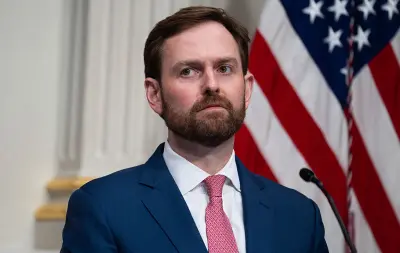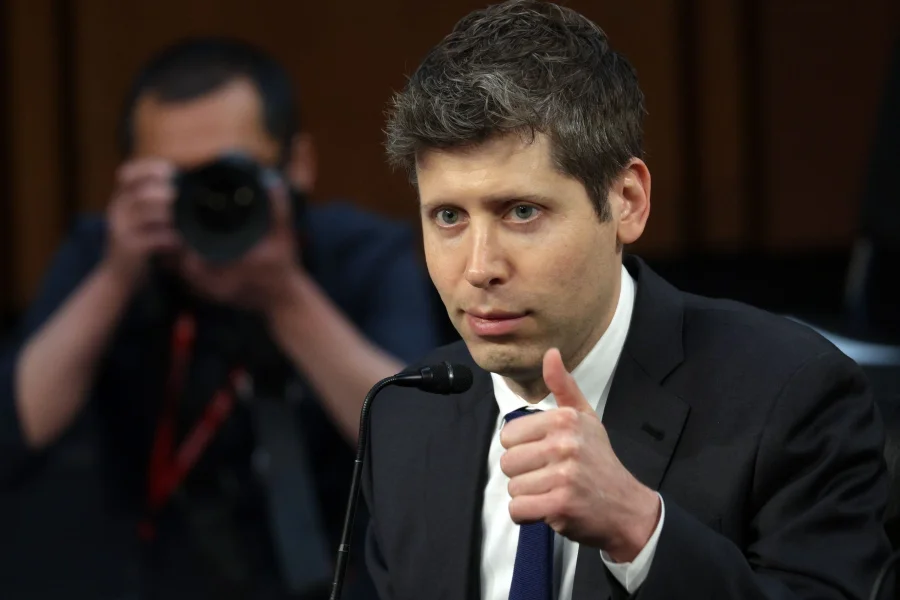
The United States government has stepped into one of the most consequential legal battles in artificial intelligence — and it is backing OpenAI. In a legal filing, the Trump administration expressed support for the company's argument that training AI systems on copyrighted material should be considered fair use.
Government Intervention Shifts Legal Landscape
The administration's letter marks a significant moment in the copyright dispute between The New York Times and OpenAI. The government's position aligns with its stated goal of ensuring American companies remain at the forefront of AI development globally.
Legal experts note that federal intervention in private copyright litigation is uncommon, signaling the administration views this case as strategically important for national technology policy.
Why This Copyright Battle Matters Beyond Two Companies
At its core, this lawsuit asks a fundamental question: can AI companies use the world's written knowledge to train their systems without paying content creators? The answer will affect every publisher, author, and artist whose work populates the internet.
For OpenAI and competitors like Google and Meta, the stakes involve access to vast amounts of text data essential for building capable AI models. For news organizations, the concern centers on protecting journalism's economic foundation.
How the Dispute Reached This Point
The New York Times filed its lawsuit against OpenAI in late 2023, alleging the company copied millions of articles without permission to train ChatGPT. OpenAI has consistently maintained that its use of publicly available content falls under fair use doctrine, which permits limited use of copyrighted material without licensing.
The government's filing does not decide the case but provides the court with the administration's interpretation of how copyright law should apply to AI training.
What This Means for Publishers and Creators
For newsrooms already struggling with declining revenue, the government's position could complicate efforts to demand payment for content used in AI training. Many publishers have sought licensing deals with AI companies, while others have pursued litigation.
The outcome could determine whether content creators negotiate from strength or face a legal environment where AI companies can freely use their work.
Administration's Stated Reasoning
The government's letter reportedly emphasizes the importance of AI innovation for American economic competitiveness. Officials appear concerned that restrictive copyright interpretations could disadvantage US companies against international rivals, particularly those in China.
This framing places the lawsuit within a larger policy context of maintaining technological supremacy.
Reading Between the Legal Lines
The administration's position does not guarantee OpenAI will prevail. Courts weigh multiple factors in fair use determinations, including whether the use is transformative and whether it harms the original work's market value.
However, having the executive branch articulate a favorable interpretation of fair use provides OpenAI with substantial rhetorical support in its legal arguments.
What Is Confirmed Versus What Remains Undecided
Confirmed: The government filed a letter supporting OpenAI's fair use position. Confirmed: The New York Times lawsuit remains active in federal court. Unclear: How much weight the court will give the government's interpretation. Unclear: Whether this signals broader legislative intentions regarding AI and copyright.
OpenAI's Position in the AI Ecosystem
OpenAI has established itself as a leader in generative AI through ChatGPT's widespread adoption and its partnerships with major corporations. The company has also pursued licensing agreements with various publishers, suggesting it recognizes the value of content creator relationships even as it contests mandatory licensing.
Concerns and Counterarguments
Critics of the government's position argue it prioritizes corporate interests over individual creators who lack resources to negotiate with tech giants. Journalism advocates warn that allowing unrestricted use of news content could undermine the economic model that supports public-interest reporting.
Supporters of OpenAI's position counter that overly strict copyright enforcement would stifle innovation and that AI systems learn from text in ways analogous to human readers.
Broader Pattern in AI Regulation
This case reflects a global debate about AI governance. The European Union has pursued comprehensive AI regulation, while the United States has favored a more innovation-friendly approach. The government's intervention suggests the administration views copyright law as a potential barrier to AI advancement.
What Should Publishers and Creators Consider Now
Content creators should monitor this case closely while continuing to pursue individual licensing arrangements where possible. Publishers may want to review their content's exposure to AI training datasets and consider technical measures to control access.
For businesses using AI tools, understanding the legal landscape around training data can inform risk assessments and vendor selection.
Possible Outcomes Ahead
The court could rule in favor of either party, issue a nuanced decision, or encourage settlement. An OpenAI victory would likely accelerate AI development and reduce pressure on companies to license content. A Times victory could reshape how AI companies source training data and potentially increase costs across the industry.
Our Take
This legal intervention reveals how deeply AI policy has become intertwined with national competitiveness strategy. The administration's position prioritizes innovation acceleration, but the long-term health of the information ecosystem deserves equal consideration. A balanced resolution would recognize both the transformative potential of AI and the legitimate rights of content creators whose work enables that transformation.
Frequently Asked Questions
What is the New York Times lawsuit against OpenAI about?
The New York Times sued OpenAI alleging the company used millions of its articles without permission to train ChatGPT. OpenAI argues this use qualifies as fair use under copyright law.
What does the Trump administration's letter say?
The government filed a legal brief supporting OpenAI's argument that training AI on copyrighted material constitutes fair use, emphasizing the importance of AI innovation for American competitiveness.
Does the government's position decide the case?
No. The filing provides the court with the administration's legal interpretation but does not determine the outcome. The judge will weigh all arguments before ruling.
How could this affect regular internet users?
The ruling could influence how AI tools access and use online content, potentially affecting everything from search results to AI-generated summaries and the economic viability of online publishing.