The news hits like a shockwave: four people killed at a wedding, two of them children, according to Iranian media. The accusation is stark — a US strike, shrapnel tearing through a home during what should have been a celebration. Tehran calls it a war crime. Washington flatly denies targeting civilians. In the fog of this confrontation, one thing is painfully clear: the human cost is mounting, and the region is bracing for what comes next.
What Iran Is Claiming About the Deadly Strike
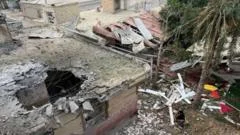
Iranian media reports are specific and grim. They say the strike hit a wedding, and shrapnel from the attack pierced a nearby home, killing four people instantly. Among the dead, they report, are two children. The word Tehran is using is deliberate and heavy: "war crime." This is not just an accusation of a military error; it is a charge of a fundamental violation of the rules of war.
Washington's Firm Denial of Targeting Civilians
The United States has responded with a categorical denial. Officials insist they did not target civilians and that any operation was aimed at legitimate military objectives. This is the classic and critical fault line in modern conflict: one side reports civilian deaths, the other denies intent. The distinction between a tragic accident and a deliberate act is now the central point of dispute, and it will shape international reaction.
How the Conflict Escalated to This Point
This incident did not happen in a vacuum. The reported strike is part of a broader, volatile exchange. In direct response to this attack, Iran has launched missiles and drones at US targets across the Middle East. This is a significant escalation, moving from proxy actions and rhetoric to direct military retaliation against American forces. Each strike and counter-strike raises the stakes, making the region a tinderbox.
The Real-World Toll on Families and Communities
Behind the geopolitical jargon are real people. A wedding is a moment of joy, a gathering of family and community. To have that moment shattered by an explosion is a tragedy that resonates far beyond the immediate victims. The reported deaths of two children amplify the horror and will fuel public anger, not just in Iran, but across the region where sympathy for civilian casualties runs deep. This is the human face of a conflict often discussed in abstract terms of strategy and power.
Official Statements and the Battle for Narrative
Both sides are now engaged in a battle for the global narrative. Iran's government is using the "war crime" label to seek international condemnation and justify its military response. The US is focused on defending the legitimacy of its operations and deflecting accusations of indiscriminate force. The international community is left to parse conflicting reports, with independent verification on the ground extremely difficult in such a volatile environment.
Why This Incident Could Change the Rules of Engagement
This is more than just another skirmish. The accusation of a "war crime" at a wedding, if it gains traction, could fundamentally alter the diplomatic and legal landscape. It puts immense pressure on the US to prove its targeting was precise and justified. For Iran, it provides a powerful justification for its own military actions. The incident risks creating a cycle of retaliation where each side feels both wronged and entitled to respond with force.
Confirmed Facts vs. What Remains Unclear
It is crucial to separate what is verified from what is alleged. Confirmed: Iranian media report four deaths, including two children, from a strike at a wedding. Iran has launched missiles and drones at US targets. The US denies targeting civilians. Unclear: The exact nature of the US operation, whether the target was military, and the full chain of events leading to the civilian deaths. Independent verification is pending, and all claims from both sides should be treated with caution until confirmed by neutral sources.
Risks and the Danger of Further Escalation
The immediate risk is a wider war. Iran's direct attack on US targets is a major escalation that could provoke a significant American response. The danger is a miscalculation on either side, leading to a broader regional conflict that draws in other nations. There is also the risk of increased instability, with non-state actors potentially taking advantage of the chaos. The window for de-escalation appears to be narrowing with each passing hour.
A Wider Pattern of Regional Volatility
This incident is the latest and most dangerous flashpoint in a period of heightened tension across the Middle East. It follows a pattern of strikes, retaliations, and proxy conflicts that have kept the region on edge. The US has maintained a military presence aimed at deterring attacks, while Iran has sought to project power and respond to perceived threats. This cycle of violence shows no sign of abating, and incidents like this one risk pushing the region past the point of no return.
What Should Families and Observers in the Region Do Now
For those living in areas of potential conflict, the advice is to stay informed through reliable and official channels. Monitor announcements from local authorities and embassies. Have an emergency plan and essential supplies ready. For global observers, it is a time for caution against misinformation. Rely on established news organizations and official statements, and be wary of unverified claims circulating on social media that could inflame tensions further.
What Happens Next in This Tense Standoff
The immediate future is highly uncertain. The world will be watching for the US response to Iran's missile and drone attacks. Will Washington retaliate directly against Iranian soil, or will it seek to calibrate its response to avoid a full-scale war? Diplomatic channels, though strained, may still be open. The next 48 hours will be critical in determining whether this escalates into a broader conflict or if cooler heads prevail.
Our Take
This story is a stark reminder that in conflict, the first casualty is often the truth. We have two powerful nations trading grave accusations, and the lives of civilians caught in the middle. The "war crime" allegation is a serious one that demands a transparent international investigation, not just rhetorical rebuttals. Beyond the politics, we must remember the four people at a wedding, including two children, whose lives were cut short. Their story is the real tragedy, and it is the one that should compel all parties to seek a path away from the abyss.
Frequently Asked Questions
What exactly did Iran claim about the US strike?
Iranian media reported that a US strike killed four people, including two children, at a wedding when shrapnel hit a home. Tehran has condemned the incident as a "war crime."
How has the United States responded to the accusation?
The United States has denied targeting civilians. Washington has not confirmed the specific details of the strike as reported by Iranian media but maintains its operations are aimed at military objectives.
What actions has Iran taken in response to the strike?
According to reports, Iran has launched missiles and drones at US targets in the Middle East as a direct retaliation for the strike that killed four people at the wedding.
Is there independent verification of the events?
No. Independent verification is currently not available due to the volatile security situation. The claims from both Iran and the US are based on their respective official statements and media reports, and should be treated with caution until confirmed by neutral sources.