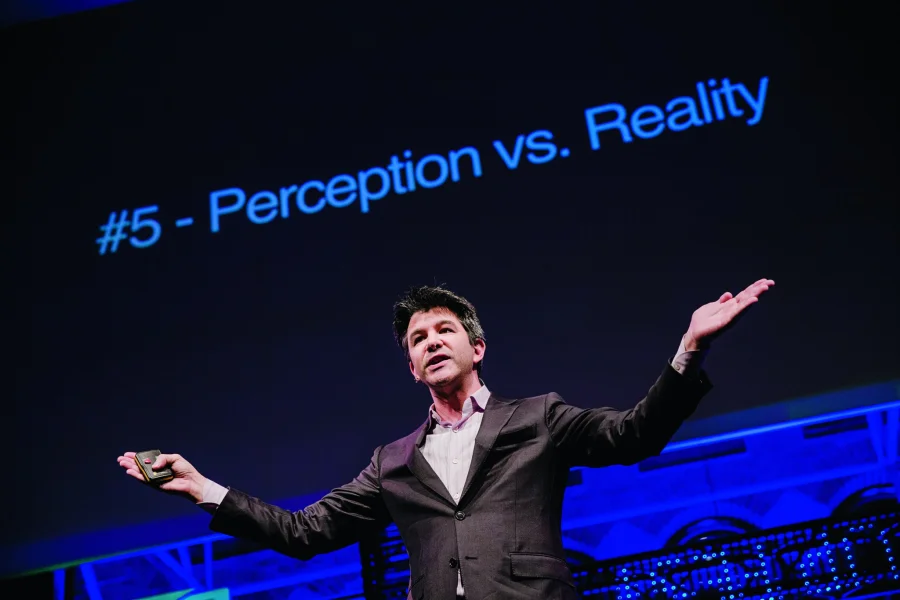
In 2017, Travis Kalanick was the most toxic name in tech. Investors forced him out of the company he built. The book that chronicled Uber's chaos declared his era over. Silicon Valley wanted distance — and it got it.
Nearly a decade later, that distance has collapsed. Kalanick is back — not with an apology tour, not with a splashy IPO, but with the quiet persistence of a man who never really left the game.
The Ouster That Was Supposed to End Him
Uber's 2017 implosion wasn't a single scandal. It was a cascade — allegations of sexism, corporate espionage, regulatory battles, and a culture that even allies struggled to defend. The company's own investors flew to Chicago to deliver the news: Kalanick had to go.
It was a rare moment of shareholder revolt against a founder. For a brief period, it looked like Silicon Valley had drawn a line.
Why His Return Matters Beyond One Man
Kalanick's comeback isn't just a personal story. It's a signal. The tech industry's tolerance for controversial founders has shifted again — and not in the direction 2017 seemed to promise.
Investors now prize operational intensity over polished reputations. Founders who were once exiled for cultural failures are being re-evaluated through a different lens: did they build something that mattered?
How the Comeback Actually Happened
There was no single moment of redemption. No viral apology. No carefully staged interview.
Instead, Kalanick retreated — first into grief, then into investing. He backed startups in real estate, cloud kitchens, and logistics. He stayed off Twitter. He avoided the spotlight that once defined him.
Slowly, the narrative changed. Not because he defended himself, but because the industry moved on.
The People Who Never Stopped Believing
For every critic who wrote Kalanick off, there were operators who remembered what he built. Uber wasn't just an app — it was a logistics revolution that forced cities to rethink transportation.
That legacy gave him a currency that scandals couldn't fully erase: proof of execution at scale.
What Silicon Valley Is Saying Now
Publicly, few are eager to relitigate 2017. Privately, the calculus is simpler. Kalanick knows how to build. He knows how to fight. And in a market obsessed with efficiency, those skills are back in demand.
No formal endorsement has come from Uber or its current leadership. But the silence itself is telling.
The Uncomfortable Question Nobody Wants to Ask
Does a comeback require accountability? Or does time simply erase the need for it?
Kalanick has never issued a sweeping public reckoning with Uber's cultural failures. His return raises a question the industry has never fully answered: can you separate the builder from the behavior?
Confirmed Facts vs. What Remains Unclear
Confirmed: Kalanick was forced out of Uber in 2017. He has since re-emerged in Silicon Valley circles.
Unclear: The exact nature of his current ventures, the scale of his influence, and whether his return has formal backing from major players.
Speculation: Any suggestion that he is planning a direct return to Uber or a competing ride-hailing venture remains unverified.
Why This Isn't Just About Kalanick
The tech industry has a pattern: exile, silence, reinvention, return. It happened with others before him. It will happen again.
What makes Kalanick's case different is the scale of his fall — and the fact that he never asked for forgiveness.
What This Means for Founders Watching From the Sidelines
For entrepreneurs, the lesson is uncomfortable but clear: reputation damage is survivable. Cultural scandals fade. Execution is remembered.
That's not a moral endorsement. It's a market observation.
Where This Goes Next
Kalanick's future depends on what he builds next — and whether the industry's memory stays short.
If he launches something new, the reception will test whether Silicon Valley's redemption arc is real or just convenient.
Our Take
Travis Kalanick's return says less about him and more about the industry that cast him out. Silicon Valley didn't change its values — it changed its priorities. In a downturn, operators matter more than optics.
That's the real story. Not a villain's comeback, but a culture's compromise.
Frequently Asked Questions
Why was Travis Kalanick forced out of Uber?
Kalanick resigned as Uber CEO in 2017 following a series of scandals, including allegations of workplace sexism, corporate espionage, and a toxic company culture. Major investors pressured him to step down.
What has Travis Kalanick been doing since leaving Uber?
He has focused on investing and new ventures, largely staying out of the public eye. His activities have included backing startups in real estate and logistics.
Is Travis Kalanick returning to Uber?
There is no verified indication that Kalanick is returning to Uber in any official capacity. His comeback appears focused on new ventures and investments.
Why is Travis Kalanick's comeback significant?
His return reflects a broader shift in Silicon Valley's attitude toward controversial founders — prioritizing execution and results over past reputational damage.