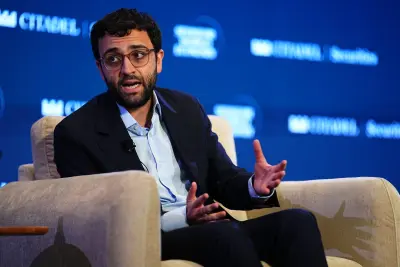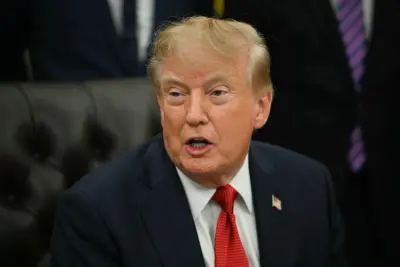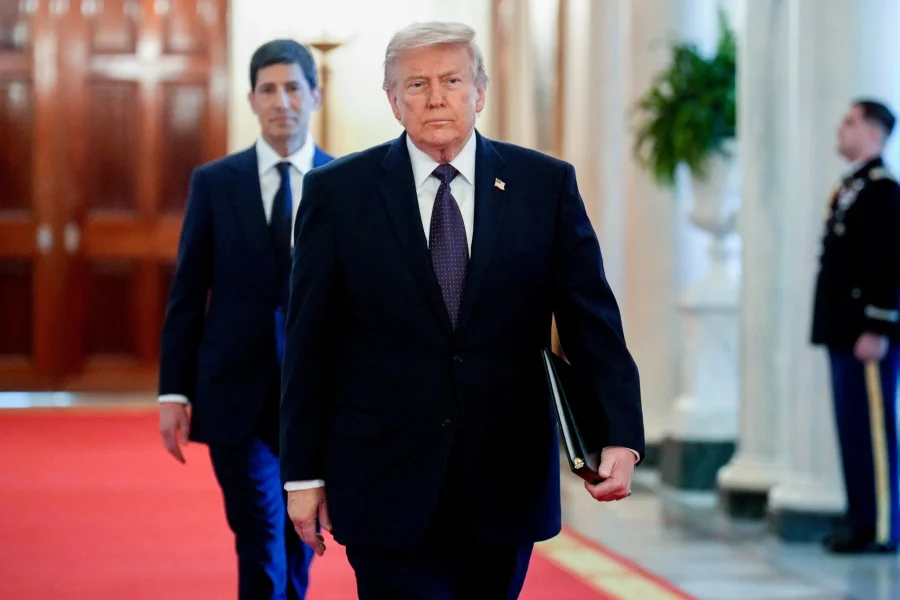
The number that matters most on Capitol Hill right now isn't a vote count or a poll — it's 5.1%. That's where 10-year Treasury yields are sitting, and it's the figure quietly reshaping the political calculus around Kevin Warsh's leadership at the Federal Reserve.
Warsh has spent his tenure so far doing something few Fed chairs manage: keeping the White House reasonably satisfied while convincing bond markets that the central bank still answers to data, not to the Oval Office. That dual confidence is now being tested in ways that could define his chairmanship.
The 75% Number That Changes Everything
CME's FedWatch barometer — the tool traders use to gauge rate expectations — now shows odds of a 25 basis point hike at the October FOMC meeting sitting at a little over 75%. That's not a marginal shift. It's the market telling the Fed what it expects to happen.
When expectations get that lopsided, inaction carries its own cost. If the FOMC holds rates steady while three-quarters of the market expects a hike, the credibility question shifts from "Is the Fed too political?" to "Is the Fed paying attention?"
Why Bond Markets Are Forcing the Fed's Hand
Rising Treasury yields aren't just a side effect — they're a signal. When the 10-year yield climbs past 5.1%, it tells you lenders want more compensation for holding long-term government debt. That usually reflects expectations of higher inflation, stronger growth, or both.
For ordinary Americans, this isn't abstract. Mortgage rates track Treasury yields. So do auto loan rates and credit card APRs. A Fed that looks behind the curve on inflation risks letting borrowing costs stay elevated even longer.
Trump's Rate Pressure Meets Market Reality
President Trump has been consistent and vocal about wanting lower rates — a position he held even before returning to office. That preference hasn't changed. What has changed is the data environment around it.
Warsh's challenge is that he can't simply deliver what the White House wants without risking the market confidence that gives the Fed its power in the first place. Central bank credibility isn't a luxury — it's the mechanism through which monetary policy actually works.
What a Hike Would Mean for Households and Businesses
If the FOMC does raise rates by 25 basis points in October, the immediate effects would ripple through:
• Mortgages: Already-elevated home loan rates could push higher, further squeezing affordability.
• Credit cards: Variable-rate debt would get more expensive.
• Business loans: Small and mid-sized firms relying on credit lines would face higher servicing costs.
• Savings: Deposit rates could tick up, offering some relief to savers.
• Equities: Stock markets typically react negatively to surprise tightening.
The reverse — holding rates steady — would ease immediate pressure on borrowers but could undermine the Fed's inflation-fighting credentials at a moment when bond markets are demanding resolve.
The Independence Question Nobody Wants to Answer Directly
Fed independence is one of those principles that everyone supports in theory and tests in practice. Warsh has managed the perception of independence well so far. But perception and reality diverge when the political pressure becomes visible.
If the Fed hikes in October despite White House opposition, Warsh gains credibility with markets but loses popularity with the administration. If it doesn't hike despite market expectations, the opposite trade-off applies. There's no version of this where both constituencies stay happy.
Confirmed Facts vs. What Remains Unclear
Confirmed: 10-year Treasury yields are above 5.1%. CME FedWatch shows October hike odds above 75%. Trump has consistently advocated for lower rates.
Unclear: Whether the FOMC will actually hike. Whether Warsh personally favours a hike or a hold. Whether the White House has applied direct pressure on the Fed's decision-making. Whether bond yields will continue rising or stabilise.
Any claims about Warsh's private position or the administration's behind-the-scenes communications should be treated as speculation until confirmed by official sources.
The Credibility Trap
Central bankers often talk about "anchoring expectations." What that means in plain terms: if markets believe the Fed will do what it says, the Fed doesn't have to do as much. If markets stop believing, the Fed has to do more — and harder — to get the same result.
Right now, the market is pricing in a hike. If the Fed doesn't deliver, it either has to explain convincingly why the market is wrong, or accept that its forward guidance carries less weight going forward. Neither option is comfortable.
Risks and the Case Against Overreacting
Not everyone thinks a hike is the right call. Critics of further tightening argue that:
• The economy may be slowing more than headline data suggests.
• Higher rates could tip vulnerable sectors — commercial real estate, regional banks — into stress.
• Inflation may already be on a downward trajectory, making another hike unnecessary.
• Political interference concerns cut both ways: a Fed that hikes to prove independence may be overcorrecting.
These aren't fringe arguments. They reflect a genuine debate within monetary policy circles about how much tightening is enough.
A Pattern Beyond This One Decision
This isn't just about October. It's about a broader shift in how central banks operate in a politically charged environment. From Turkey to the UK to the US, the tension between elected governments and independent monetary authorities has become a defining feature of the post-pandemic economic landscape.
Warsh's handling of this moment will be studied — not just for what the Fed decides, but for how it communicates that decision and absorbs the political consequences.
What Readers Should Watch For
If you're a borrower, a saver, or an investor, here's what to track:
• FOMC statement language: Watch for shifts in how the committee describes inflation risks.
• Warsh's press conference tone: His framing will signal how much political pressure he's absorbing.
• Bond market reaction: If yields spike after the decision, the market isn't convinced.
• White House commentary: Any public response from the administration will indicate how the political relationship is holding up.
What Comes Next
The October FOMC meeting is the immediate focal point. But the larger question — whether Warsh can sustain the dual confidence of the White House and the bond market — will play out over months, not weeks.
If yields keep climbing and the Fed hesitates, the credibility gap widens. If the Fed acts and the political backlash intensifies, Warsh's balancing act gets harder. Either way, the era of comfortable ambiguity is ending.
Our Take
Kevin Warsh's situation captures a dilemma that's becoming familiar across global central banking: the closer you get to political power, the harder it becomes to convince markets you're not captured by it. Warsh has navigated this better than many expected. But bond yields above 5.1% and rate expectations above 75% leave little room for ambiguity.
The Fed's next move won't just be a monetary policy decision. It will be a statement about who the institution ultimately answers to — and that's a question markets are already answering for them.
Frequently Asked Questions
What is Kevin Warsh's role at the Federal Reserve?
Kevin Warsh is the Chair of the Federal Reserve, responsible for leading the FOMC's monetary policy decisions and maintaining the central bank's independence from political influence.
Why are bond yields rising above 5.1%?
Rising 10-year Treasury yields typically reflect market expectations of higher inflation, stronger economic growth, or both. They also signal that investors want greater compensation for holding long-term debt.
What does a 75% chance of a rate hike mean?
CME's FedWatch tool calculates probabilities based on federal funds futures trading. A 75% reading means the market assigns a three-in-four likelihood that the Fed will raise rates by 25 basis points at its October meeting.
Why does Fed independence matter to ordinary people?
Fed independence matters because it allows the central bank to make decisions based on economic data rather than political convenience. When markets trust that independence, interest rates and inflation tend to be more stable — which affects mortgages, savings, and borrowing costs for everyone.