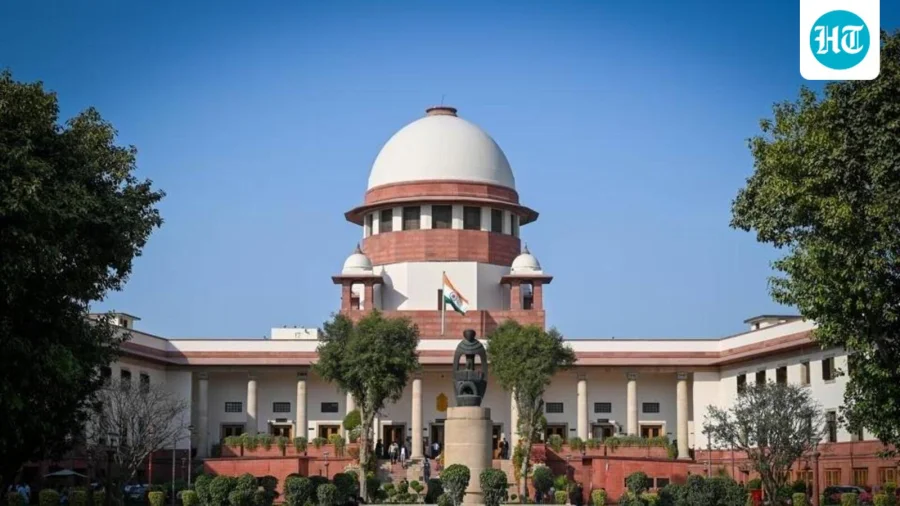
For millions of OBC families, the question of who qualifies for reservation benefits has been thrown back into uncertainty. The Supreme Court has reserved its order on the Centre's plea to defer its March 11 OBC creamy layer ruling by two years and apply it only prospectively — meaning the ruling would not disturb past appointments or admissions.
A Verdict Paused, Not Overturned
The March 11 ruling held that the creamy layer principle — which excludes relatively affluent members of a backward class from reservation benefits — applies to OBC reservations. The Centre has now asked the court to hold that ruling in abeyance for two years and apply it only to future cases.
Reserving the order means the court has heard the arguments and will deliver its decision on the Centre's plea at a later date. The March 11 ruling itself has not been stayed or modified yet.
Why the Centre Wants Two Years
The Centre's plea is rooted in administrative reality. Applying the creamy layer principle retrospectively to OBC reservations could affect existing appointments, admissions, and service records across central and state institutions.
A two-year window, the Centre has argued, would allow policy machinery — from the Department of Personnel and Training to state backward class commissions — to recalibrate eligibility criteria, revise lists, and issue fresh guidelines without disrupting ongoing processes.
How the Creamy Layer Question Reached This Point
The creamy layer principle has long applied to OBC reservations in employment, following the Supreme Court's 1992 Indra Sawhney judgment. The March 11 ruling extended its application in a manner that raised fresh questions about retrospective effect.
The Centre's subsequent plea is an attempt to manage the transition — not to challenge the principle itself, but to control its timing and reach.
Who Is Affected — and How
OBC candidates who have already secured jobs, admissions, or promotions under existing reservation norms face the most immediate uncertainty. If the ruling applies retrospectively, their eligibility could be questioned.
Equally, candidates from OBC communities who fall outside the creamy layer but have been denied benefits due to inconsistent application of the principle now await clarity on whether the March 11 ruling strengthens their case.
What the Court Has Said So Far
The Supreme Court has not commented on the merits of the Centre's plea in its reserved order. It has only reserved judgment — a procedural step that precedes the delivery of a reasoned decision.
Legal experts note that reserving an order does not indicate which way the court is leaning. It simply means the bench has completed hearings and will pronounce its decision in due course.
Confirmed Facts vs What Remains Unclear
Confirmed: The Supreme Court reserved its order on the Centre's plea. The Centre sought a two-year deferment and prospective application of the March 11 ruling. The March 11 ruling held that the creamy layer principle applies to OBC reservations.
Unclear: Whether the court will grant the deferment, modify the ruling, or reject the plea. The timeline for the order's pronouncement is not known. The exact scope of "prospective application" in this context has not been defined by the court yet.
Risks and Balanced View
A deferment could provide administrative stability but may also delay relief for OBC candidates who have been unfairly excluded or included under inconsistent creamy layer norms.
Conversely, immediate retrospective application could disrupt careers and admissions already finalised, creating fresh litigation. The court must weigh administrative chaos against the constitutional imperative of timely justice.
A Pattern of Deferred Implementation
This is not the first time the Centre has sought time to implement a far-reaching reservation ruling. Similar transition periods have been requested in cases involving EWS reservations and state-level OBC quota adjustments.
The pattern reflects a broader tension: courts interpret constitutional principles, but governments must translate them into policy without destabilising existing systems.
What OBC Candidates Should Do Now
Until the Supreme Court delivers its order, the March 11 ruling stands as delivered. Candidates should monitor official notifications from the Department of Personnel and Training and their respective state backward class commissions.
Those with ongoing recruitment or admission processes should not assume either retrospective or prospective application until the court's order is pronounced.
What Happens Next
The Supreme Court will pronounce its order on the Centre's plea. If granted, the March 11 ruling will apply only prospectively and after a two-year window. If rejected, the ruling's retrospective effect will depend on the court's reasoning.
Either way, the decision will shape OBC reservation policy for years — and determine whether millions of families see their eligibility confirmed or reconsidered.
Our Take
This is less a story about creamy layer as a principle and more about the mechanics of constitutional implementation. The Supreme Court's reserved order is a pause — not a resolution. The real question is not whether the creamy layer applies to OBC reservations, but when and to whom. That answer will define the next chapter of affirmative action in India.
Frequently Asked Questions
What is the OBC creamy layer ruling of March 11?
The March 11 ruling held that the creamy layer principle — excluding affluent members of backward classes from reservation benefits — applies to OBC reservations.
Why has the Centre sought a two-year deferment?
The Centre wants time to adjust administrative processes, revise eligibility lists, and avoid disruption to existing appointments and admissions before the ruling takes effect.
What does "prospective application" mean in this context?
It means the ruling would apply only to future cases, not to appointments, admissions, or promotions already completed under previous norms.
Has the Supreme Court stayed the March 11 ruling?
No. The court has only reserved its order on the Centre's plea. The March 11 ruling has not been stayed or modified yet.