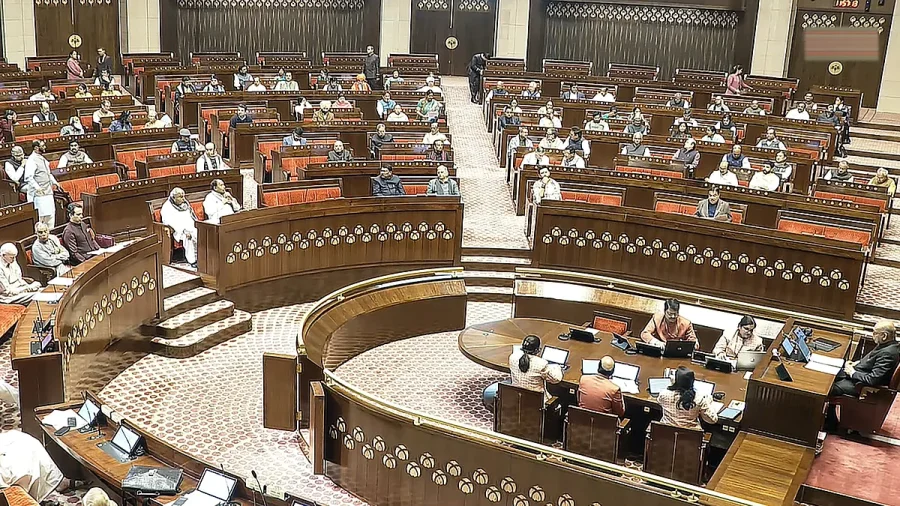
The political landscape of the Upper House is set for a significant realignment. The Election Commission's announcement of Rajya Sabha polls for 12 seats on October 16 has triggered a fresh wave of political calculations, with the Samajwadi Party eyeing a crucial gain in Uttar Pradesh while the Bahujan Samaj Party braces for a loss.
The October 16 Showdown: A Three-State Battle
The Election Commission on Tuesday confirmed that elections to 12 Rajya Sabha seats from Uttar Pradesh, Uttarakhand, and West Bengal will be held on October 16. The notification sets the stage for a keen contest, particularly in Uttar Pradesh, which accounts for the bulk of the vacancies.
Simultaneously, the EC announced Legislative Council elections to 28 graduates' and teachers' constituencies across four states on October 23. These seats are falling vacant in November and December across Uttar Pradesh, Bihar, Karnataka, and Maharashtra.
Why the Uttar Pradesh Arithmetic Matters
Uttar Pradesh sends the largest contingent to the Rajya Sabha, and the current vacancy list reflects the shifting sands of state politics. Of the 10 seats falling vacant in UP, the BJP is expected to retain eight, a testament to its dominant position in the state legislature.
However, the spotlight is on the Samajwadi Party, which is poised to gain one seat. This gain is not merely a numerical addition; it represents a psychological boost for the party's national standing and its ability to influence legislation in the Upper House.
The BSP's Fading Footprint in the Upper House
For the Bahujan Samaj Party, the upcoming polls signal a contraction. The party, which has been struggling to maintain its electoral relevance in recent state and national elections, is set to lose a seat. This loss underscores the broader challenges facing the party in retaining its national political footprint.
BJP's National Calculus: A Net Gain
On a national scale, the BJP is likely to see its overall strength in the Rajya Sabha increase by one. The party is set to bag the lone seat in West Bengal which fell vacant, further consolidating its position in the House where it has historically lacked a majority.
Confirmed Facts vs. What Remains Unclear
Confirmed: The polling date is October 16. The states involved are Uttar Pradesh, Uttarakhand, and West Bengal. The Legislative Council polls are on October 23.
Unclear: While the seat-sharing arithmetic is clear based on current legislative strengths, the final candidate lists and any potential last-minute political realignments remain to be seen. The exact impact on legislative committees is still being calculated.
Risks and the Road Ahead
While the BJP looks set to gain, the opposition's consolidation in UP could pose challenges for the ruling party in specific legislative battles. The loss for the BSP raises questions about its future strategy and alliance politics. The political volatility in these states means that while the math is currently favorable, the final picture will only emerge after the votes are cast.
What This Means for the Common Voter
For the average citizen, these elections are a reminder of the indirect nature of Rajya Sabha representation. The MLAs elected by the public are the ones casting votes for these seats. The outcome will influence the passage of key bills, potentially affecting everything from economic policy to social welfare schemes.
Frequently Asked Questions
When are the Rajya Sabha polls for 12 seats?
The Election Commission has scheduled the polls for October 16.
Which states are participating in the October 16 Rajya Sabha polls?
The elections will cover seats from Uttar Pradesh, Uttarakhand, and West Bengal.
Why is the Samajwadi Party expected to gain a seat?
The gain is based on the current party strength in the Uttar Pradesh legislative assembly, which determines the outcome of the Rajya Sabha polls.
What are the Legislative Council elections announced by the EC?
These are elections for 28 graduates' and teachers' constituencies in Uttar Pradesh, Bihar, Karnataka, and Maharashtra, scheduled for October 23.