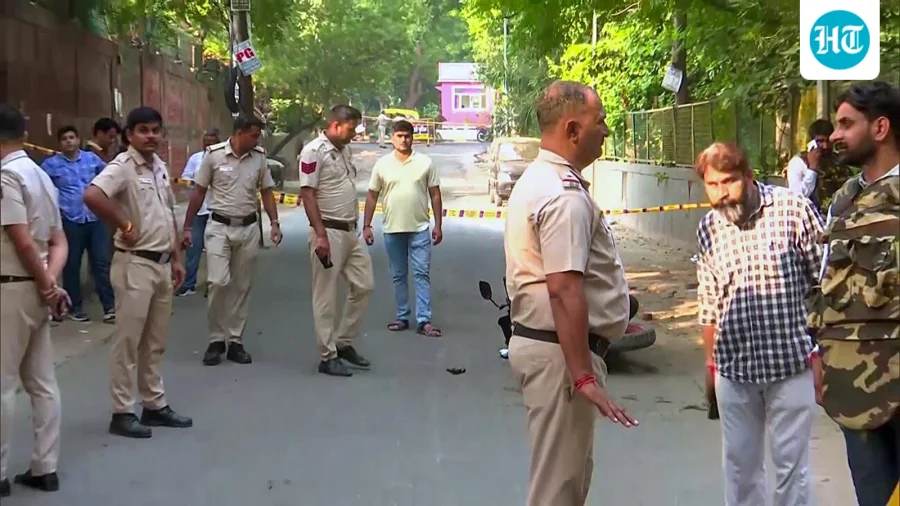
The details emerging from the Kalkaji gangrape case are chilling. A visit to a temple, a place of solace, allegedly turned into a nightmare for a woman in Delhi. The incident has sent shockwaves through the community and raised urgent questions about safety in the capital.
Police on Tuesday confirmed the arrest of all three accused—identified as Asif, Hemant, and Mukesh—bringing a measure of closure to a harrowing chapter. The case's shocking details, involving impersonation and extreme threats, have gripped the city.
A Trail of Deception and Terror in South Delhi
According to police sources, the sequence of events began after the victim visited a temple. It was after this visit that the accused allegedly approached her. The details of the crime suggest a premeditated plan, with the perpetrators using deception to gain her trust before turning violent.
The most alarming aspect of the case is the reported use of impersonation. The accused allegedly posed as police officers, a tactic that exploits the public's inherent trust in law enforcement. This layer of deception adds a disturbing dimension to the crime, highlighting a predatory method that goes beyond a simple act of violence.
How the Kalkaji Gangrape Case Unfolded
The investigation moved swiftly following the registration of the FIR. The police's focus was on identifying and apprehending the suspects based on the victim's testimony and other evidence. The arrests of Asif, Hemant, and Mukesh mark a critical phase in the investigation.
The use of a knife and a gun to threaten the victim, as reported, underscores the level of intimidation used. This is not just a case of sexual assault but one of extreme coercion and terror. The police are now piecing together the exact timeline and the roles each accused played in the crime.
What This Case Means for Women's Safety in Delhi
This incident has reignited the debate over the safety of women in Delhi. The fact that a woman can be targeted after a routine visit to a temple—a place that should be safe—is a stark reminder of the pervasive threat. It challenges the perception of safety in public spaces and even in the vicinity of places of worship.
The impersonation of police officers is particularly concerning. It erodes trust in the very institution meant to protect citizens. For the public, especially women, this case serves as a grim reminder of the need for heightened vigilance, even in familiar surroundings.
Police Response and the Road to Justice
The Delhi Police have been under immense pressure to solve this case quickly. The arrest of all three accused is a significant step. Officials have stated that a thorough investigation is underway, and they are working to build a strong case against the perpetrators.
Legal experts suggest that the charges, given the use of weapons and impersonation, could be severe. The case will now proceed through the judicial system, where the prosecution will aim to secure a conviction based on the evidence gathered. The police's swift action is a positive sign, but the true test lies in ensuring justice is served.
Confirmed Facts vs. What Remains Unclear
Confirmed: Three individuals—Asif, Hemant, and Mukesh—have been arrested in connection with the Kalkaji gangrape case. The police confirmed the arrests on Tuesday. The victim was allegedly threatened with a knife and a gun.
Unclear: The exact sequence of events leading up to the crime and the specific roles of each accused are still being investigated. The duration of the ordeal and the precise location of the assault have not been fully detailed in public statements. The investigation is ongoing, and more details are expected to emerge.
Risks and a Balanced View
While the arrests are a crucial development, it is important to remember that an arrest is not a conviction. The accused are presumed innocent until proven guilty in a court of law. The investigation must be thorough and impartial to ensure a fair trial.
There is also a risk of public outrage leading to demands for swift, extra-judicial action. It is vital that the legal process is allowed to take its course. The focus should remain on supporting the victim and ensuring that the case is prosecuted effectively.
Wider Trend of Crimes Against Women
This case is not an isolated incident. It is part of a larger, troubling pattern of crimes against women in India. While the specifics of each case differ, the underlying issues of patriarchy, lack of safety in public spaces, and inadequate deterrence remain constant.
The Kalkaji case, with its elements of impersonation and extreme violence, adds a new layer of fear. It highlights the need for systemic changes, from better policing to a shift in societal attitudes towards women's safety.
Practical Guidance for Readers
In light of this incident, it is crucial for everyone, especially women, to remain vigilant. Avoid isolated areas, especially after dark. If you are ever approached by someone claiming to be a police officer, you have the right to ask for their official identification. If you feel unsafe, try to get to a public place and call for help.
Reporting any suspicious activity to the police is also important. Community vigilance can play a key role in preventing such crimes. Most importantly, if you or someone you know is a victim of such a crime, do not hesitate to report it. Support is available.
Future Outlook
The immediate future will see the police completing their investigation and filing a chargesheet. The case will then move to trial. The public will be watching closely to see if justice is delivered swiftly.
Beyond this case, the incident will likely fuel further demands for reforms in policing and women's safety. It remains to be seen what concrete steps are taken by the authorities to address these deep-seated issues.
Our Take
The Kalkaji gangrape case is a grim reminder of the work that remains to be done to make our cities safe for women. The swift arrests are a necessary first step, but they are not the solution. The solution lies in a comprehensive approach that includes better policing, stricter laws, and a fundamental change in societal mindset. This case must serve as a catalyst for change, not just another statistic.
Frequently Asked Questions
Who are the accused in the Kalkaji gangrape case?
The Delhi Police have arrested three men—Asif, Hemant, and Mukesh—in connection with the case.
What were the shocking details of the crime?
The case involves the accused allegedly posing as police officers and threatening the victim with a knife and a gun after she visited a temple.
Have all the accused been arrested?
Yes, police confirmed on Tuesday that all three accused have been arrested.
What should you do if someone impersonates a police officer?
You have the right to ask for official identification. If you feel unsafe, try to move to a public area and call the police helpline (100 or 112).