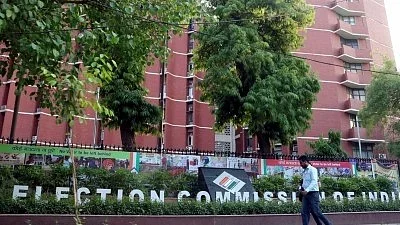
Seventeen unrecognised political parties in Uttarakhand have been quietly struck off the electoral register — and the move signals a stricter cleanup of India's crowded political landscape. The Election Commission's action, confirmed by sources in the Chief Electoral Officer's office, targets parties that have been dormant for years, raising questions about how many more inactive outfits exist across the country.
Why these 17 parties lost their registration
The deregistration followed two clear criteria. First, the parties did not contest any Lok Sabha or Assembly election since 2019. Second, physical inspections could not verify their registered office addresses — a basic requirement for maintaining recognition.
Sources said the exercise is part of a systematic effort to clean up records of inactive political organisations in the state.
Which parties were removed from the register
The list includes several Haridwar-based parties: Bharat Qaumi Dal, Bharat Parivar Party, Bharatiya Samrat Subhash Sena and Peoples Party. Dehradun-based outfits like Bharatiya Mool Nivasi Samaj Party, Bharatiya Antyodaya Party, Bharatiya Gram Nagar Vikas Party and Gorkha Democratic Front were also removed.
The full list remains partially disclosed, with more names expected to emerge as the cleanup continues.
How the deregistration process unfolded
The Election Commission's action follows a standard procedure. Parties registered but inactive for extended periods are flagged during reviews. Physical verification of office addresses is a key step — many parties fail this check because their offices no longer exist or have moved without updating records.
Since 2019, these parties neither fielded candidates nor participated in electoral activity, making them ineligible for continued recognition.
What this means for voters and smaller parties
For ordinary voters, the impact is minimal — these parties were not contesting elections anyway. But the move clarifies the electoral landscape, reducing confusion on ballot papers and official records.
For smaller parties still active, the message is clear: maintain a verifiable presence and participate in elections, or risk losing recognition.
Election Commission's official position
Sources in the CEO Uttarakhand office confirmed the deregistration, stating it was part of a broader record-cleanup exercise. The Commission has not issued a detailed public statement on this specific batch, but the pattern aligns with its national push to purge inactive entities.
Why this cleanup matters beyond Uttarakhand
India has thousands of registered unrecognised political parties, many of which exist only on paper. This Uttarakhand action could be a template for other states, signalling that the Election Commission is serious about maintaining accurate electoral records.
Analysts believe the exercise improves transparency and reduces the administrative burden of tracking non-functional entities.
Confirmed facts vs what remains unclear
Confirmed: 17 parties were deregistered; criteria included no elections since 2019 and unverifiable office addresses; several Haridwar and Dehradun-based parties are on the list.
Unclear: The complete list of all 17 parties has not been fully disclosed. The exact timeline of the physical inspections and whether any party can appeal the decision remains unspecified.
Risks and balanced view
While the cleanup is widely seen as positive, some concerns exist. Smaller parties argue that strict verification can disadvantage grassroots outfits with limited resources. Others question whether the criteria — particularly the 2019 cutoff — fairly accounts for parties that may have been active in local or panchayat elections.
Supporters counter that the rules are clear and that any party serious about electoral participation would maintain its records.
Wider trend of electoral record cleanup
This action fits a broader national pattern. The Election Commission has been reviewing registered parties across states, targeting those that exist only on paper. The goal is a cleaner, more credible electoral register that reflects reality.
What affected parties and voters should know
Parties removed from the register can technically reapply for registration if they meet fresh criteria. Voters should check official Election Commission records for accurate party lists. Anyone seeking details on a specific party's status can contact the CEO Uttarakhand office.
What happens next
The Election Commission is likely to continue similar exercises in other states. For Uttarakhand, the focus now shifts to ensuring remaining registered parties maintain valid addresses and electoral participation.
Our Take
This quiet administrative action carries real significance. India's political register has long been cluttered with dormant entities, and cleaning it up strengthens electoral credibility. The challenge ahead is ensuring the process is fair, transparent, and applied consistently — not just in Uttarakhand, but nationwide.
Frequently Asked Questions
Why were 17 political parties removed from Uttarakhand's register?
The Election Commission removed them because they did not contest any Lok Sabha or Assembly election since 2019, and their registered office addresses could not be verified during physical inspections.
Which parties were removed in Uttarakhand?
Removed parties include Bharat Qaumi Dal, Bharat Parivar Party, Bharatiya Samrat Subhash Sena, Peoples Party (Haridwar), Bharatiya Mool Nivasi Samaj Party, Bharatiya Antyodaya Party, Bharatiya Gram Nagar Vikas Party and Gorkha Democratic Front (Dehradun), among others.
Can these parties reapply for registration?
Yes, parties removed from the register can reapply for fresh registration if they meet the Election Commission's criteria, including a valid office address and demonstrated electoral activity.
Does this affect voters in Uttarakhand?
No direct impact on voters, as these parties were inactive. The move clarifies official records and reduces confusion on electoral rolls.