The Mahanadi river, a lifeline for millions in Odisha and Chhattisgarh, has been at the center of a bitter tug-of-war for over a decade. Today, Union Home Minister Amit Shah is chairing a high-level meeting on this very dispute — a development that could finally break the deadlock or further entrench the positions of both states.
A Decade of Deadlock: How the Mahanadi Dispute Began
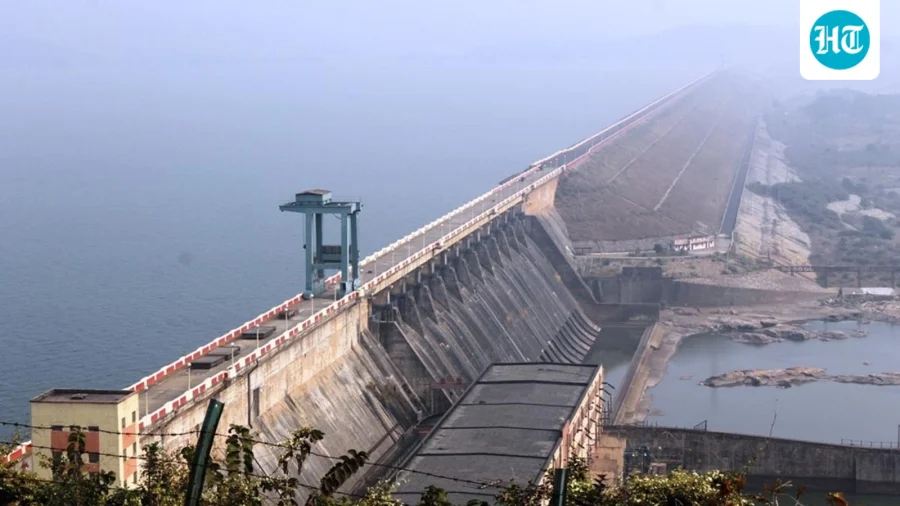
The conflict dates back to 2016 when Chhattisgarh began constructing barrages and dams upstream on the Mahanadi. Odisha objected, arguing that these projects would severely reduce water flow into its territory, especially during non-monsoon months. The dispute escalated, with Odisha moving the Supreme Court and later the Mahanadi Water Disputes Tribunal being constituted in 2018.
Why the Mahanadi Matters to Millions
For Odisha, the Mahanadi is not just a river — it supports agriculture, drinking water, and the livelihoods of over 30 million people. Chhattisgarh, on the other hand, views the upstream projects as essential for its own development and irrigation needs. The standoff has thus become a question of survival and growth for both states.
The Tribunal and the Long Road to Resolution
The Mahanadi Water Disputes Tribunal, set up under the Inter-State River Water Disputes Act, was tasked with adjudicating the sharing formula. However, progress has been slow, with multiple hearings and little finality. Both states have accused each other of intransigence, and the tribunal's interim orders have done little to ease tensions.
What Today's Meeting Could Change
Amit Shah's direct involvement signals the Centre's urgency to resolve the issue. A breakthrough could lead to a negotiated settlement, avoiding a prolonged legal battle. However, given the deep-rooted positions, any outcome will require both states to compromise — a tall order in the current political climate.
Confirmed Facts vs What Remains Unclear
Confirmed: The meeting is being chaired by Amit Shah today. The dispute has been ongoing for over a decade. The Mahanadi Water Disputes Tribunal exists and is hearing the matter.
Unclear: Whether today's meeting will produce a concrete agreement or merely a framework for future talks. The specific agenda and participants beyond Shah are not fully known.
Risks and Balanced View
While a central intervention is welcome, it carries risks. If seen as favoring one state, it could inflame regional sentiments. Odisha has consistently demanded a fair share based on historical usage, while Chhattisgarh insists on its right to develop its water resources. Any solution must balance these competing claims without appearing coercive.
The Wider Pattern of Inter-State Water Conflicts
The Mahanadi dispute is part of a larger pattern in India — from the Cauvery to the Krishna and Godavari. As water scarcity grows, such conflicts will only intensify. The Mahanadi case could become a template for how the Centre mediates future disputes.
What Readers Should Watch For
For citizens of both states, the key is to monitor official statements post-meeting. Farmers and industry bodies should watch for any interim arrangement on water release. Legal experts will look for signs of whether the tribunal's role is being superseded by political negotiation.
Future Outlook
If today's meeting yields a roadmap, it could be a turning point. If not, the dispute may return to the tribunal or even escalate to fresh protests. Either way, the Mahanadi will remain a flashpoint until a durable, mutually acceptable solution is found.
Our Take
This is more than a water dispute — it is a test of India's federal dispute-resolution mechanisms. Amit Shah's involvement raises hopes, but the real challenge lies in implementation. A fair, transparent, and time-bound resolution is the only way forward.
Frequently Asked Questions
What is the Mahanadi water dispute?
It is a long-standing conflict between Odisha and Chhattisgarh over the sharing and management of the Mahanadi river's water, primarily due to upstream construction by Chhattisgarh.
Why is Amit Shah chairing a meeting on this issue?
The Centre is stepping in to mediate and find a resolution to the decade-old dispute, which has seen little progress through legal channels alone.
What is the Mahanadi Water Disputes Tribunal?
It is a tribunal constituted in 2018 under the Inter-State River Water Disputes Act to adjudicate the sharing formula between the two states.
What happens if today's meeting fails?
The dispute could return to the tribunal or escalate, potentially leading to further legal battles or public protests.