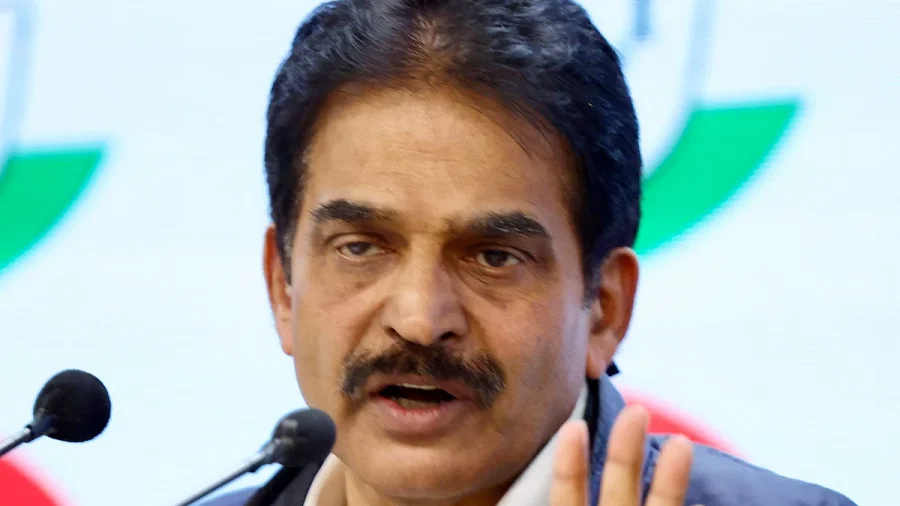
A single letter to the Speaker's office has reopened a familiar question in Indian politics: how much scrutiny is enough before a law that governs foreign funding of NGOs and political parties becomes law? Congress MP K.C. Venugopal has asked Lok Sabha Speaker Om Birla to step in, arguing that the Joint Parliamentary Committee reviewing the Foreign Contribution (Regulation) Amendment Bill, 2026, may not be giving stakeholders a real chance to be heard.
What Venugopal Has Actually Asked For
In his letter, Venugopal sought public submissions, oral evidence from affected parties, and sufficient time for detailed scrutiny of the Bill. He also raised the option of extending the committee's deadline if that is what it takes to do the job properly.
His core concern: that the committee could be working towards a hurried passage of the Bill in the forthcoming Winter Session, rather than a genuine examination of what the amendments would change on the ground.
Why the FCRA Matters Beyond Parliament
The FCRA governs how Indian organisations — charities, trusts, NGOs, and political parties — receive and use foreign contributions. Any amendment to it directly affects thousands of non-profits that depend on overseas funding for health, education, disaster relief, and rights work.
For them, this is not an abstract legislative exercise. A tighter or looser FCRA changes whether they can operate, how they file returns, and how much compliance burden they carry.
How the Bill Reached This Stage
The FCRA Amendment Bill, 2026, was referred to a Joint Parliamentary Committee — the standard route for Bills that need cross-party examination. JPCs typically invite written submissions, call witnesses, and then table a report with recommendations.
The dispute now is not about whether the JPC exists, but about how it is functioning: how many stakeholders it has heard, how much time it has given them, and whether its report will arrive before the House takes up the Bill.
Who Is Affected — and How
Non-profit organisations registered under the FCRA are the most directly impacted. So are political parties, which receive foreign contributions under strict conditions, and the compliance teams that file annual returns with the Ministry of Home Affairs.
For smaller NGOs, the practical worry is simpler: if rules change without their input, they may find themselves non-compliant overnight, with registration cancelled or renewal denied.
The Speaker's Role in the Dispute
Venugopal's letter is addressed to the Speaker because the Speaker controls the procedural calendar of the Lok Sabha — including when a Bill is listed and how committee timelines are managed. Asking the Speaker to intervene is, in effect, asking for the parliamentary process itself to slow down.
No public response from the Speaker's office or the government has been reported so far.
Reading the Politics Behind the Letter
Opposition parties have repeatedly argued that key Bills are being pushed through with limited debate. The government's position, in past sessions, has been that committees do their work and that Parliament's time must be used efficiently.
This letter fits that pattern: it is less about the specific clauses of the FCRA Amendment Bill and more about the process — consultation, evidence, and time.
Confirmed Facts vs What Remains Unclear
Confirmed: Venugopal wrote to Speaker Om Birla. He sought public submissions, oral evidence, more time, and a possible deadline extension. He warned against bringing the Bill before the House before the JPC finishes its examination.
Unclear: Whether the Speaker will act on the request. Whether the JPC has already completed its hearings. Whether the government intends to list the Bill in the Winter Session. No official confirmation on any of these points is available.
Risks and the Other Side of the Argument
The government has not responded publicly to the letter, so its reasoning is not on record here. In general, proponents of faster legislative timelines argue that prolonged committee scrutiny can be used to stall reform indefinitely.
Critics of the current process counter that a law affecting foreign funding needs broad buy-in, because it touches civil society, political finance, and national security at once. Both concerns are legitimate; the disagreement is about which risk is greater.
A Wider Pattern in Indian Lawmaking
This is not an isolated dispute. Over the past few years, several significant Bills have moved from introduction to passage with limited committee time, drawing similar objections from opposition MPs.
The FCRA letter is the latest instance of that broader argument: how Parliament balances speed with scrutiny when the subject is sensitive.
What NGOs and Stakeholders Should Do Now
Organisations registered under the FCRA should track the JPC's public notices for submission windows. If a call for written submissions is issued, filing a response — even a short one — puts a stakeholder's view on the record.
Compliance teams should also review current FCRA filings and renewals, since any amendment could change reporting requirements retroactively or prospectively.
What Happens Next
Three things will decide how this plays out: whether the Speaker's office responds to the letter, whether the JPC extends its timeline, and whether the Bill appears on the Winter Session agenda.
Until any of those move, the Bill remains where it is — under examination, with its pace now publicly contested.
Our Take
The substance of the FCRA Amendment Bill matters, but the fight right now is procedural — and procedure is often where legislation is won or lost. Venugopal's letter is a bid to slow the clock. Whether it works depends less on the merits of his argument than on whether the Speaker and the committee choose to accommodate it.
Frequently Asked Questions
What is the FCRA Amendment Bill, 2026?
It is a proposed amendment to the Foreign Contribution (Regulation) Act, which regulates how Indian organisations and individuals receive and use foreign contributions. The Bill is currently under review by a Joint Parliamentary Committee.
Why has K.C. Venugopal written to the Lok Sabha Speaker?
He has asked Speaker Om Birla to ensure wider stakeholder consultation — including public submissions and oral evidence — and sufficient time for the JPC to examine the Bill before it is brought before the House.
Who is affected by changes to the FCRA?
NGOs, charitable trusts, and other organisations registered under the FCRA, as well as political parties that receive foreign contributions. They face changes in registration, compliance, and reporting requirements.
Has the government or the Speaker's office responded?
No public response has been reported so far. The status of the JPC's hearings and the Bill's listing for the Winter Session also remains unconfirmed.