The phone rang in the Dey household before the medal ceremony had even concluded. On the other end was the Prime Minister of India, calling to congratulate a young woman who had just made history on the judo mat. For Asmita Dey, the gold medal was already extraordinary. The recognition from the nation's highest office made it unforgettable.
A Golden Performance That Caught the Nation's Eye
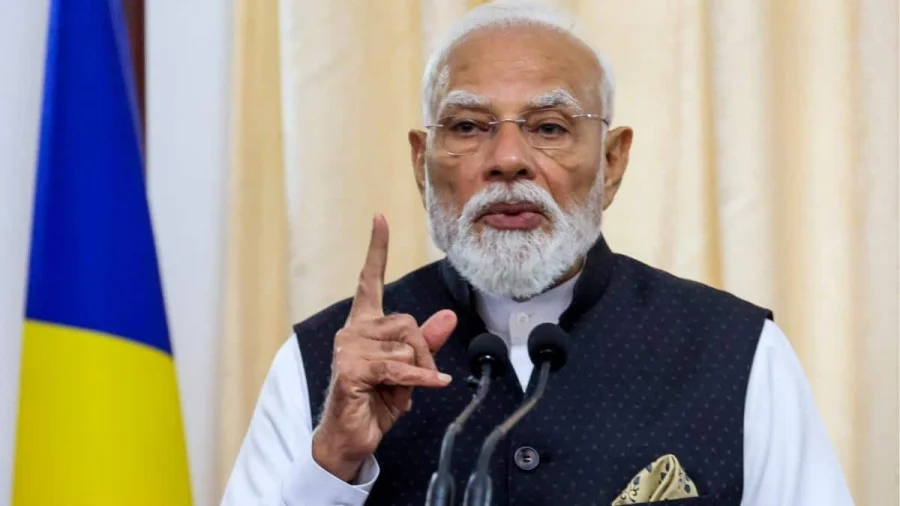
Prime Minister Narendra Modi on Friday congratulated Indian judokas after a stellar showing at the Commonwealth Games 2026. His focus was on Asmita Dey, who clinched gold in the women's 48kg final with a commanding display of technique and composure.
Modi described her victory as "a golden performance indeed," praising the young athlete for her dedication and skill. His words carried a larger message: this win was not just about one medal, but about what it means for a sport that has often struggled for attention in India.
Why This Judo Gold Matters Beyond the Medal Tally
Judo has never enjoyed the same limelight as cricket, badminton, or even wrestling in India. That is precisely why this victory matters. When the Prime Minister personally congratulates a judoka, it signals a shift in how the country views non-mainstream sports.
For young athletes in small towns and cities, Asmita Dey's journey offers proof that excellence in any discipline gets noticed. The psychological impact of a PM's endorsement can be profound, potentially driving more parents to consider judo as a serious career path for their children.
The Road to Gold: How the Victory Unfolded
Details from the final bout indicate a dominant performance from Dey, who controlled the contest from the opening exchanges. Her technical superiority was evident, with clean throws and effective groundwork that left her opponent with few answers.
The women's 48kg category is one of the most competitive in judo, featuring athletes with extensive international experience. Dey's ability to navigate the bracket and deliver in the final speaks to her preparation and mental strength under pressure.
Harsh Singh Joins the Celebration With Men's Title
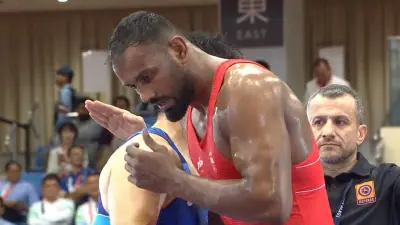
While much of the attention focused on Dey, the men's competition also delivered a moment of national pride. Harsh Singh secured the men's judo title, adding another gold to India's growing tally at the Games.
Singh's victory complements Dey's achievement, together signalling a broader resurgence in Indian judo. Two golds in a single Games is no accident; it reflects improved coaching, better training infrastructure, and a generation of athletes willing to commit fully to the sport.
PM Modi's Message: Inspiration for the Next Generation
In his congratulatory message, Modi emphasised that Dey's performance "will always be remembered" and would contribute towards popularising judo across the country. The Prime Minister's framing was deliberate: this is not just a personal achievement but a national asset.
His words also carried a forward-looking message. By linking Dey's success to the future of judo in India, Modi positioned the victory as a foundation upon which a larger sporting culture can be built.
What This Means for Indian Judo's Trajectory
Indian judo has produced occasional stars over the years, but consistent international success has remained elusive. The CWG 2026 results suggest a potential turning point. When multiple athletes from the same discipline win at a major multi-sport event, it indicates systemic improvement rather than individual brilliance alone.
Federations and sports ministries often use such moments to justify increased funding and better facilities. The question now is whether the momentum from these gold medals translates into sustained investment in judo's grassroots development.
Confirmed Facts vs What Remains Unclear
Confirmed: PM Modi congratulated Asmita Dey on her gold medal in the women's 48kg judo final at CWG 2026. Harsh Singh won the men's judo title. Modi described Dey's performance as "a golden performance" and said it would inspire future generations.
Unclear: Specific details of the final bouts, including opponents and scores, have not been fully detailed in available reports. The exact date of the finals and India's overall medal count at the time of these victories also remain unspecified.
India's Growing Presence in Combat Sports
This judo double-gold arrives amid a broader trend of Indian athletes excelling in combat sports. Wrestling and boxing have long produced medal winners, and now judo appears to be joining that conversation.
The pattern is encouraging: Indian athletes are becoming more technically proficient, better conditioned, and more confident on the international stage. The infrastructure investments made over the past decade are beginning to show returns across multiple disciplines.
What Young Judokas Should Take From This Moment
For aspiring judokas across India, this week offers a clear message: the path to national recognition exists. Asmita Dey and Harsh Singh have demonstrated that dedication to judo can lead to the highest honours, including personal congratulations from the Prime Minister.
Young athletes should study the technique and preparation that led to these victories. More importantly, they should understand that the support system for judo in India is growing, with more opportunities for training, competition, and recognition than ever before.
What Happens Next for Indian Judo
The immediate focus will be on the remaining events at CWG 2026, where more Indian judokas may still be in contention. Beyond the Games, the national federation will likely look to capitalise on this momentum with increased participation drives and talent identification programmes.
Longer-term, the success of Dey and Singh creates a benchmark for future athletes. The next generation now has homegrown role models who have proven that Indian judokas can win on the world stage.
Our Take
There is something genuinely significant about a Prime Minister personally congratulating a judoka. In a country where sporting attention is heavily skewed towards a few major disciplines, this moment elevates judo in the public consciousness. The gold medals themselves are remarkable achievements, but their ripple effect on grassroots participation could be even more valuable. India's sporting ecosystem grows stronger every time a non-mainstream sport produces a champion, and this week, judo delivered two.
Frequently Asked Questions
Who is Asmita Dey?
Asmita Dey is an Indian judoka who won the gold medal in the women's 48kg category at the Commonwealth Games 2026. Prime Minister Narendra Modi personally congratulated her on this achievement.
What did PM Modi say about Asmita Dey's gold medal?
PM Modi described her performance as "a golden performance indeed" and said it would be remembered and would contribute towards popularising judo in India. He also said her victory would inspire future generations.
Did Harsh Singh also win a judo gold at CWG 2026?
Yes, Harsh Singh won the men's judo title at the Commonwealth Games 2026, adding another gold medal to India's tally in the sport.
Why is this judo gold significant for India?
Judo has historically received less attention than other sports in India. These victories, especially with the Prime Minister's recognition, could help boost the sport's popularity and encourage more young athletes to take up judo.