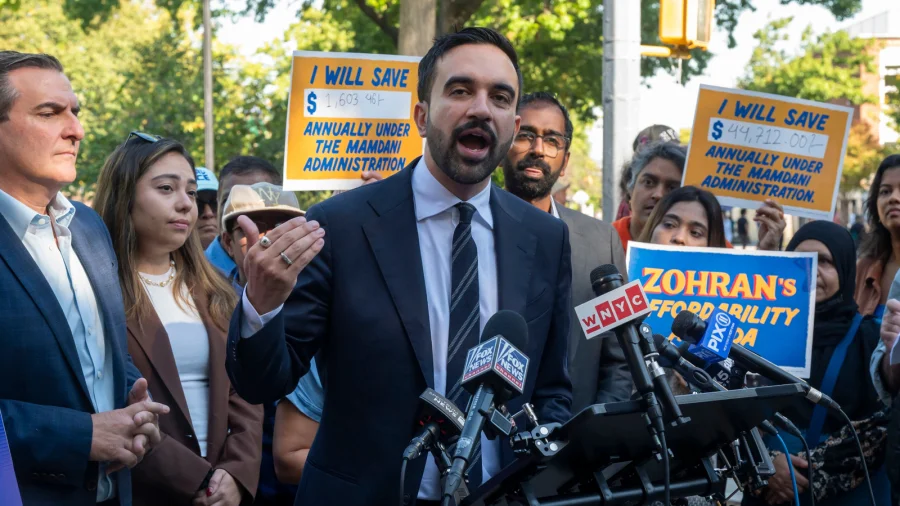
New Yorkers tired of jumping through hoops to cancel a gym membership, streaming service, or meal kit subscription may soon get relief. Mayor Zohran Mamdani and Department of Consumer and Worker Protection (DCWP) Commissioner Samuel Levine announced a proposed rule on April 8, 2026, that would make New York City the first municipality in the United States to enforce a dedicated “click-to-cancel” standard. The rule targets what officials call “subscription traps”—deceptive practices that make signing up effortless but cancellation a labyrinth.
What the Proposed Click-to-Cancel Rule Requires
The rule mandates that any business offering subscription services in New York City must allow customers to cancel their subscriptions using the same method they used to sign up. If a consumer subscribed online with one click, cancellation must be equally simple—no phone calls, no live chats, no multiple confirmation screens designed to discourage them. The proposal revives a federal FTC “click-to-cancel” rule that was abandoned last year, giving local teeth to a consumer protection idea that had stalled at the national level.
Why This Matters for Every New Yorker with a Subscription
Subscription services have exploded in recent years, from streaming platforms and fitness apps to grocery deliveries and software licenses. Many businesses have exploited this growth by making cancellation intentionally difficult—requiring phone calls during limited hours, burying cancellation options in settings menus, or demanding written requests. The proposed rule directly addresses this imbalance, putting the power back in the hands of consumers. For the average New Yorker, it means no more wasted money on services they forgot to cancel or couldn’t figure out how to stop.
How the Rule Revives a Failed Federal Effort
The Federal Trade Commission had proposed a similar “click-to-cancel” rule in 2023 as part of a broader crackdown on deceptive subscription practices. However, the federal effort was abandoned last year amid industry pushback and regulatory shifts. New York City’s move effectively resurrects that consumer protection at the municipal level, creating a local standard that could influence other cities and states. The DCWP’s proposal follows Executive Order 10, signaling the administration’s priority on consumer rights.
Who Is Affected by the Proposed Rule
The rule applies to any business that offers subscription services to New York City residents, regardless of where the company is based. This includes major streaming services, gyms, software companies, meal kit providers, and any other recurring billing model. Small businesses are not exempt, though the DCWP may consider compliance burdens during the rulemaking process. Consumers who have struggled to cancel subscriptions—whether for a $10 monthly app or a $100 gym membership—stand to benefit most directly.
DCWP Commissioner Levine’s Stance on Enforcement
Commissioner Samuel Levine, who leads the DCWP, has been a vocal advocate for consumer protections. In announcing the rule, he emphasized that the proposal is not about punishing businesses but about ensuring fairness. “If a company can sign you up with one click, they should let you cancel with one click,” Levine said, according to the official announcement. The DCWP will enforce the rule through complaints, investigations, and potential fines for non-compliant businesses.
What the Rule Means for Subscription Businesses
For companies operating in New York City, the proposed rule represents a significant operational shift. Businesses must audit their current cancellation processes to ensure they meet the “same ease” standard. This may require redesigning user interfaces, removing phone-only cancellation requirements, and eliminating unnecessary confirmation steps. While some businesses may argue this increases costs, consumer advocates say it simply levels the playing field and builds trust.
Confirmed Facts vs What Remains Unclear
What is confirmed: The rule was proposed on April 8, 2026, by Mayor Mamdani and Commissioner Levine. It applies to subscription services in NYC and requires cancellation to be as easy as sign-up. It revives an abandoned FTC proposal. What remains unclear: The exact timeline for public comment and final adoption, specific penalties for non-compliance, and whether the rule will face legal challenges from industry groups. These details will emerge during the rulemaking process.
Risks and Balanced View of the Proposal
Critics of the rule may argue that it imposes additional regulatory burdens on businesses, particularly small ones, and could lead to increased costs passed on to consumers. Some subscription models rely on retention through friction, and removing that friction could reduce revenue for companies that depend on involuntary renewals. However, supporters counter that transparent practices build long-term customer loyalty and that deceptive cancellation processes are already illegal under existing consumer protection laws. The key question is whether the rule strikes the right balance between consumer rights and business flexibility.
Wider Trend: Municipal Consumer Protection as Federal Efforts Stall
New York City’s move reflects a broader trend of local governments stepping in where federal regulation has stalled. From data privacy laws in California to subscription rules in New York, cities and states are increasingly crafting their own consumer protections. This patchwork approach creates compliance challenges for national businesses but also allows for faster, more targeted responses to consumer harm. The NYC rule could serve as a model for other municipalities considering similar measures.
Practical Guidance for New Yorkers and Businesses
For consumers: If you’re struggling to cancel a subscription, document the process—screenshots, call logs, and emails—and file a complaint with the DCWP once the rule is in effect. For businesses: Start reviewing your cancellation flow now. Ensure that the method, number of steps, and ease of cancellation match your sign-up process. Proactive compliance will avoid enforcement actions and build consumer trust.
What Happens Next: Timeline for the Rule
The proposed rule now enters a public comment period, during which consumers, businesses, and advocacy groups can submit feedback. After reviewing comments, the DCWP will finalize the rule, which will then take effect after a specified implementation period. The exact dates have not been announced, but the administration has signaled urgency. Businesses should prepare for the rule to become enforceable within the next several months.
Our Take
The NYC Click-to-Cancel rule is a straightforward consumer protection that addresses a genuine frustration millions of New Yorkers face. By reviving a federal proposal that was abandoned, the city is filling a regulatory gap that leaves consumers vulnerable to deceptive practices. While businesses may grumble about compliance costs, the principle is simple: if you can sign up with a click, you should be able to cancel with a click. This rule doesn’t ban subscriptions—it bans the tricks that keep people paying for things they don’t want. That’s good policy, and it deserves support.
Frequently Asked Questions
What is the NYC Click-to-Cancel rule?
The proposed rule requires subscription services in New York City to let customers cancel as easily as they signed up. If you subscribed online with one click, cancellation must be equally simple—no phone calls or complex steps.
When will the Click-to-Cancel rule take effect?
The rule was proposed on April 8, 2026, and is now in a public comment period. The exact effective date will be announced after the DCWP reviews feedback and finalizes the rule.
Does the rule apply to all subscription services in NYC?
Yes, the rule applies to any business offering subscription services to New York City residents, including streaming, gyms, software, and meal kits. It covers both large and small businesses.
What should I do if a company won’t let me cancel easily?
Document the cancellation process with screenshots or notes, and file a complaint with the NYC Department of Consumer and Worker Protection once the rule is in effect. The DCWP will investigate and enforce compliance.