The words hung over the UN General Assembly like a storm cloud: "annihilation." President Donald Trump used them to describe what Iran could face. Then, in almost the same breath, he hinted at a deal. For Gulf leaders watching from New York this week, that contradiction is not abstract. It is the difference between stability and a regional war that would hit their economies first.
Trump's Iran Rhetoric: A Threat and an Opening
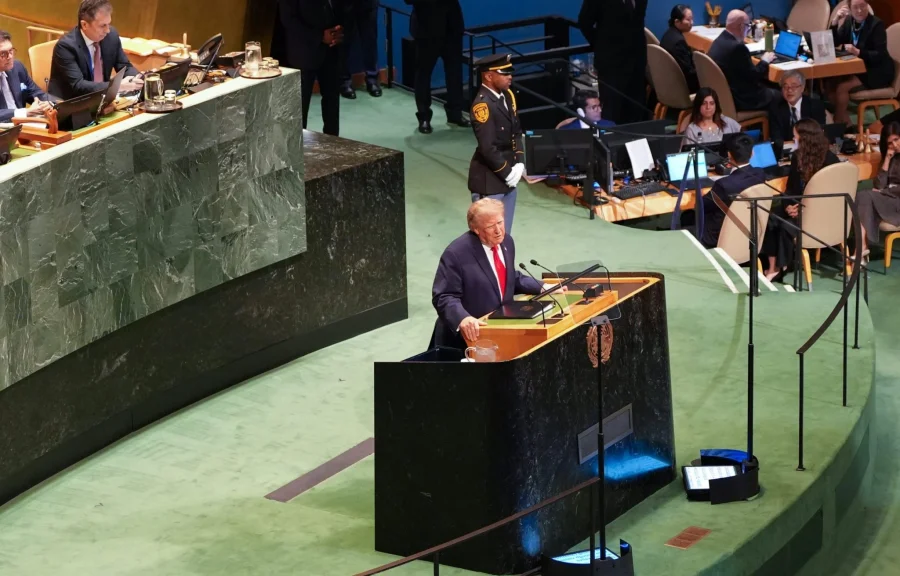
Speaking at the annual UN General Assembly, Trump said Iran could face "annihilation" — a stark escalation of his previous warnings. But he also told the room he has "a big decision to make" on whether a deal with Iran is possible.
"Will a deal be made with Iran that lets..." Trump began, leaving the sentence unfinished in the published account. That ambiguity is deliberate. It keeps pressure on Tehran while leaving the door open for negotiation.
Why Gulf Leaders Are Pushing for Diplomacy, Not Confrontation
For Gulf states, the calculus is simple. A military confrontation with Iran would disrupt oil shipping lanes, scare off foreign investment, and put their own infrastructure at risk. They have spent years trying to position themselves as stable business hubs. War would undo that.
That is why Gulf leaders used their time in New York to press Trump for a diplomatic path. They are not opposing the US president publicly. Instead, they are working behind the scenes to ensure any deal — or any conflict — does not catch them unprepared.
Qatar's $20 Billion Bet on US Financial Ties
Even as the Iran question looms, Qatar moved to deepen its American ties. The country's wealth fund signed a $20 billion partnership with JPMorgan and launched a new domestic investment platform.
The timing is not accidental. While Trump talks tough on Iran, Qatar is quietly signaling that its money is staying in the US — and growing. It is a hedge against uncertainty and a vote of confidence in American markets.
Hollywood's New Gulf Backers: The Paramount-Warner Deal
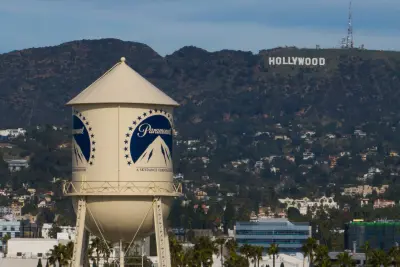
Gulf funds also received US approval to back the $111 billion Paramount-Warner merger. That makes Gulf capital a major player in Hollywood's biggest consolidation in years.
For readers, this matters beyond entertainment headlines. It shows how Gulf money is moving from oil into global media, finance, and technology. The region is no longer just exporting energy — it is buying influence in boardrooms from New York to Los Angeles.
UAE's $1 Billion Space Push: Ambition Beyond Earth
The UAE's growing space satellite ambitions received a $1 billion boost this week. The investment signals that Gulf states are not only hedging against regional conflict — they are also building future industries that do not depend on oil.
Space technology, satellite communications, and earth observation are becoming strategic assets. For the UAE, this is about diversification, prestige, and long-term leverage.
Confirmed Facts vs What Remains Unclear
Confirmed: Trump used the word "annihilation" regarding Iran at the UN. He said he has a decision to make on a deal. Qatar signed a $20 billion JPMorgan partnership. Gulf funds got US approval for the Paramount-Warner merger. The UAE received a $1 billion space boost.
Unclear: Whether Trump will pursue a deal or escalation. What specific terms Iran might accept. How Gulf pressure will shape Trump's final decision. Whether the Paramount-Warner merger will close without further regulatory hurdles.
Risks and Balanced View
The risks are real. If Trump chooses confrontation, Gulf states could face retaliatory attacks, oil price spikes, and investor flight. If he chooses diplomacy, hardliners in Washington and Israel may accuse him of weakness.
For Gulf leaders, the safest path is the one they are taking: publicly support stability, privately prepare for both outcomes, and keep their money flowing into American assets that can survive either scenario.
The Wider Trend: Gulf Money as Diplomatic Insurance
This week's news is not isolated. Gulf states have been steadily increasing their investments in the US and Europe — not just for returns, but as diplomatic insurance. When your money is in JPMorgan and Hollywood, your voice carries more weight in Washington.
That strategy is now being tested. Trump's Iran rhetoric is the immediate challenge. But the longer trend is clear: the Gulf is buying its way into the global system, one deal at a time.
Practical Reader Guidance
For investors, watch oil prices and defense stocks if Iran tensions escalate. For students and professionals in finance or media, Gulf capital is creating new opportunities — from JPMorgan partnerships to Hollywood board seats. For anyone following Middle East policy, the key question is whether Trump's "big decision" leads to a deal or a conflict.
Future Outlook
Trump's decision on Iran will likely come in the coming weeks. Gulf leaders will continue to press for diplomacy while expanding their US investments. The Paramount-Warner merger and UAE space push show that Gulf money is not waiting for certainty — it is moving now.
What remains to be seen is whether Washington sees Gulf investment as a partnership or a pressure tactic. Either way, the Gulf's presence in New York this week was not just about attending the UN. It was about shaping the outcome.
Our Take
This story is bigger than Trump's rhetoric or Qatar's deal. It is about how Gulf states are navigating a world where their security depends on Washington but their future depends on diversification. They are hedging — diplomatically, financially, and technologically. The UN General Assembly was the stage. The real action is in the deals being signed on the sidelines.
Frequently Asked Questions
What did Trump say about Iran at the UN?
Trump said Iran could face "annihilation" and that he has "a big decision to make" on whether a deal can be reached. He did not specify what the deal would include.
Why are Gulf leaders pushing for diplomacy?
Gulf states fear that a military conflict with Iran would disrupt oil shipping, scare investors, and threaten their own infrastructure. They prefer a negotiated outcome that preserves regional stability.
What is Qatar's $20 billion partnership with JPMorgan?
Qatar's wealth fund signed a $20 billion partnership with JPMorgan and launched a new domestic investment platform. It deepens Qatar's financial ties with the US at a time of regional uncertainty.
What does the Paramount-Warner merger have to do with the Gulf?
Gulf funds received US approval to back the $111 billion Paramount-Warner merger. It shows Gulf capital is becoming a major force in global media and entertainment.